Solar PV Set To Become Largest Global Electricity Source By 2031
DNV reports that solar capacity will reach 28.1TW by 2060 as energy security concerns drive faster renewable adoption in importing nations.
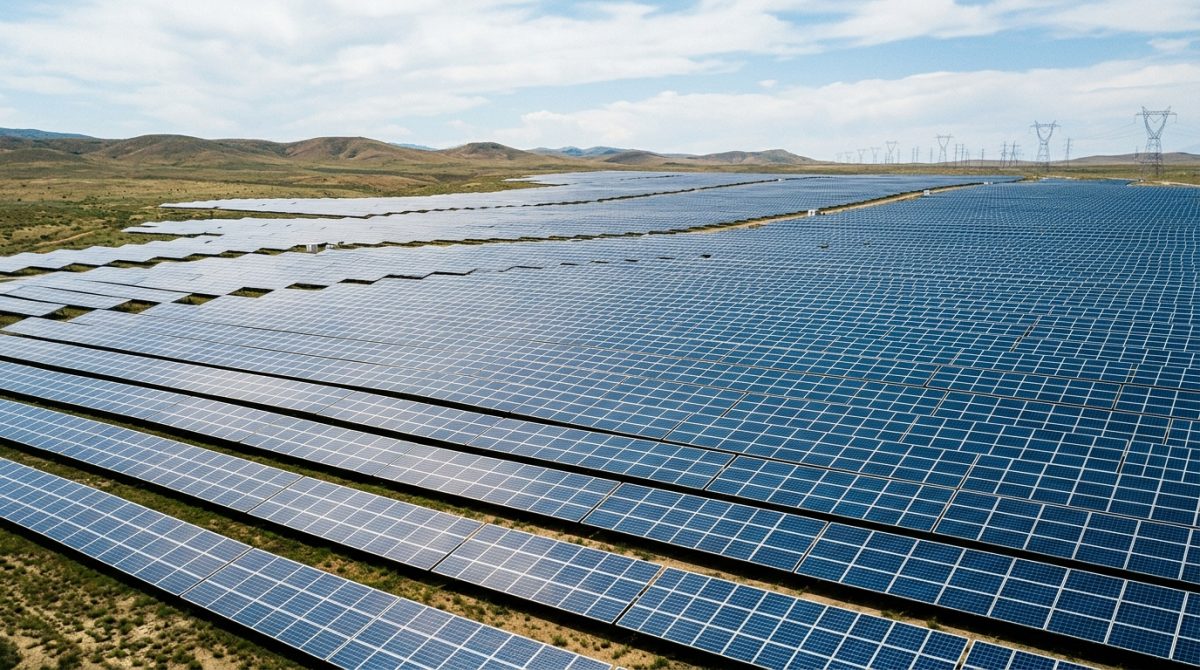
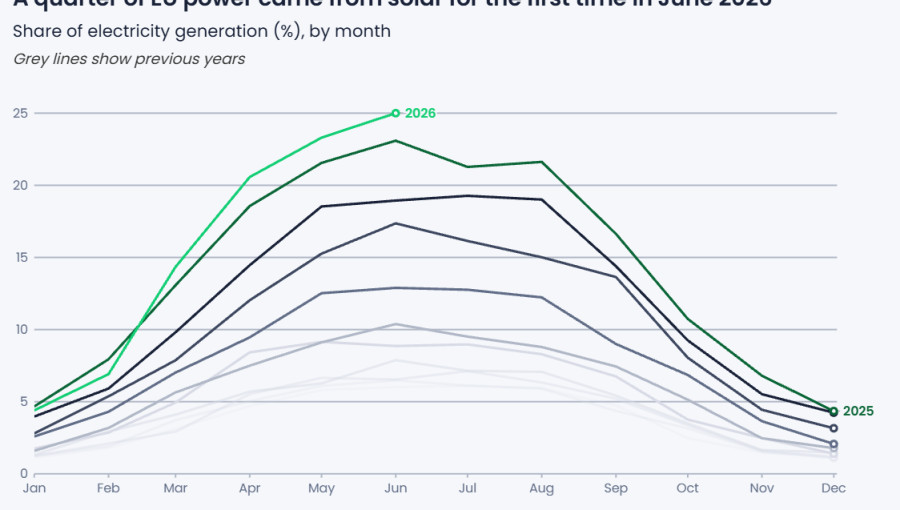
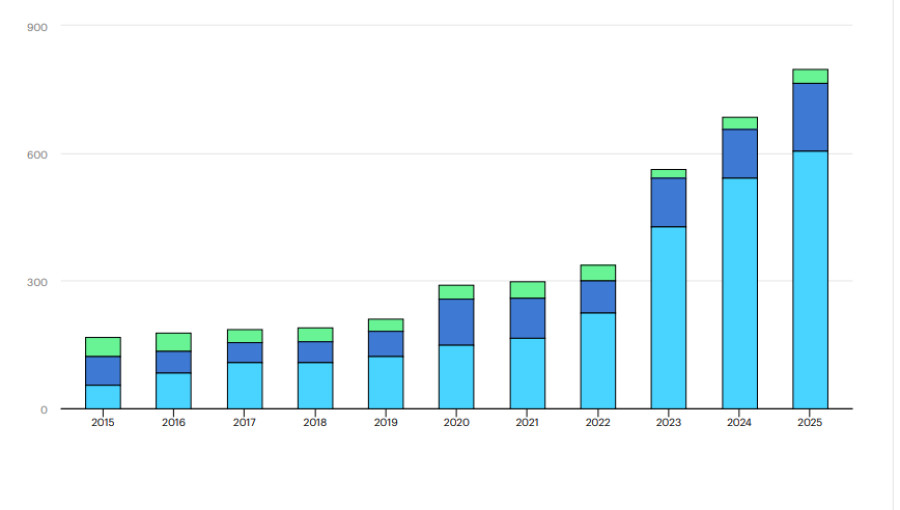
Solar photovoltaic technology is projected to become the primary contributor to the global electricity mix starting in 2031, according to the latest Energy Transition Outlook report from DNV. The report indicates that installed solar capacity, which reached 2.6TW in 2025, is expected to double by 2030 and climb to 28.1TW by 2060.
While solar growth has been rapid, DNV anticipates annual additions will peak in 2026 before stabilizing. This plateau is attributed to grid constraints and curtailment issues in Europe and Greater China. To manage these challenges, both regions are increasingly co-locating solar projects with battery energy storage systems. By 2035, the share of annual co-located installations is expected to reach 40% in both markets.
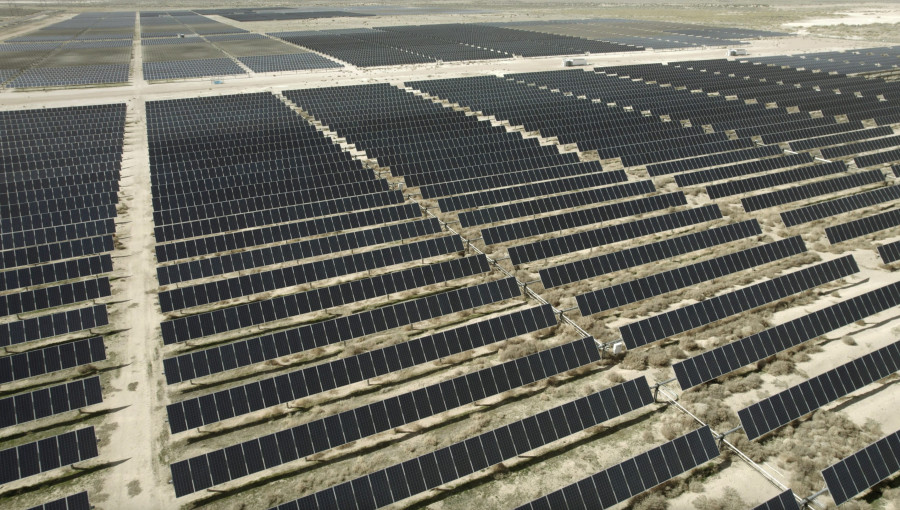
Investment in solar PV is forecast to rise significantly, with annual spending expected to grow from US$240 billion between 2016 and 2025 to US$600 billion per year from 2026 to 2035. By 2040, cumulative utility-scale solar capacity is predicted to hit 5.8TW, with Greater China accounting for over 1.8TW of that total. North America and the Indian Subcontinent are also expected to be major contributors, with 860GW and 734GW respectively.
Energy security has emerged as a primary driver for this expansion, particularly for energy-importing nations. DNV notes that countries reliant on fossil fuel imports are scaling clean energy three times faster than energy-exporting regions. This shift is highlighted by the European Union’s AccelerateEU strategy, which helped the region avoid €10 billion, or US$11.2 billion, in gas imports between March and May 2026.
By 2060, DNV expects solar and wind to provide 46% and 31% of global electricity, respectively. Total electricity generation is forecast to rise to 84,000TWh by that time, a 155% increase from 2025 levels. Ditlev Engel, CEO of Energy Systems at DNV, stated that energy security is redrawing the energy transition map, creating a widening divide between the transition speeds of importing and exporting regions.