
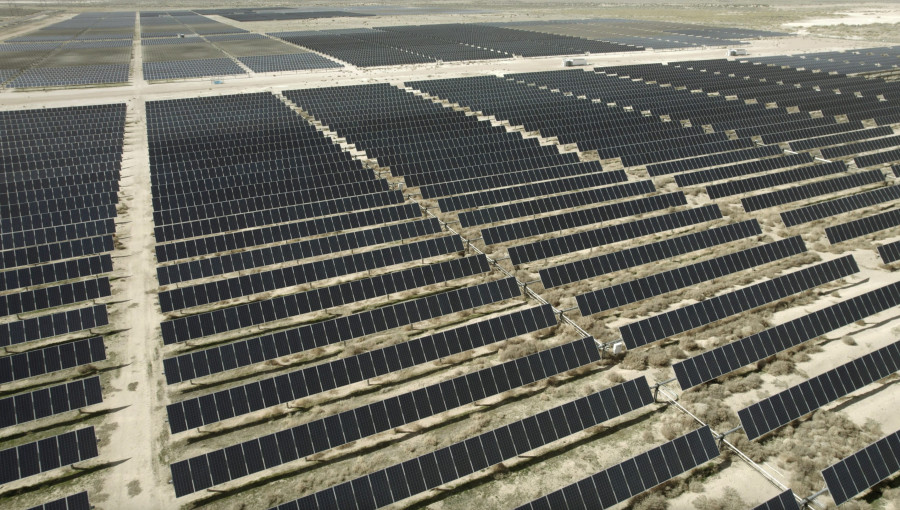
In a historic shift for Utah’s energy landscape, solar power emerged as the state’s leading electricity source for the first time in May 2026. Data from the energy think tank Ember reveals that photovoltaic panels generated nearly 1 terawatt-hour of electricity, accounting for approximately one-third of the state’s total production. This milestone marks a significant departure from Utah’s long-standing reliance on coal, which has seen its share of the state’s energy mix decline steadily over the past several years. Experts view this transition as a vital step toward improving air quality and bolstering the regional economy.
The surge in solar generation is largely attributed to the successful integration of several large-scale projects. Notable additions include the 2,500-acre Green River Energy Center, which features 400 megawatts of solar capacity paired with battery storage, and the Faraday Solar project, which provides power to a local Meta data center. These developments have helped solar become a significant economic driver, supporting nearly 8,000 jobs across 132 companies in the state. By comparison, traditional fossil fuel sectors, including coal mining and oil and gas extraction, currently account for significantly fewer positions within the Utah workforce.
While solar will not maintain this top-tier status every month due to the complexities of grid management, analysts believe the state has substantial room for further growth. By leveraging its sunny, arid climate, Utah is following a path similar to California, which has already achieved higher solar penetration rates. Climate scientists emphasize that expanding renewable capacity is essential for mitigating the impacts of a warming climate, such as record-breaking heat, reduced snowpack, and increased wildfire risks. Reducing CO2 emissions remains a primary driver for these advocates, who argue that clean energy is both a climate necessity and a sound economic strategy.
Despite this progress, the future of renewable expansion faces uncertainty. PacifiCorp, the state’s primary electricity provider, recently updated its resource plan to pause new wind and solar projects, citing shifting federal policies and current financial assessments. While utility representatives describe this as a temporary “snapshot in time” subject to future policy changes, renewable energy advocates remain concerned. Nevertheless, the synergy between solar and wind—which peaks during winter months—continues to provide a reliable, fuel-free alternative to fossil fuels, positioning renewables as a cornerstone of the region’s evolving energy portfolio.