Super El Niño Expected To Drive Global Commodity Price Increases
A new climate supercycle driven by environmental impacts and the costs of energy transition threatens to trigger global economic stagnation and inflation.
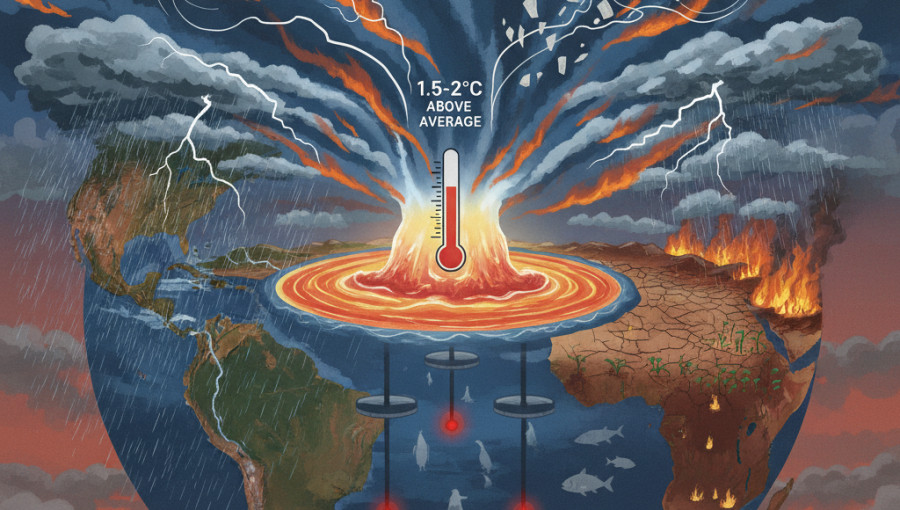
A record-setting El Niño is expected to push global temperatures past 2C of average heating, creating a climate supercycle that will likely increase the costs of fundamental commodities for at least the next decade. Unlike traditional economic supercycles driven by industrial growth, this phenomenon is fueled by the combined costs of climate-related disasters and the global effort to build a low-carbon economy.
Financial analysts from institutions including Goldman Sachs and HSBC estimate that this El Niño could increase global food commodity prices by 15 per cent or more. The event is expected to cause widespread shortages of staples such as wheat and rice due to extreme weather, including drought and excess rainfall. Britain is considered particularly vulnerable, as a quarter of its imported food is sourced from regions highly susceptible to climate risks.
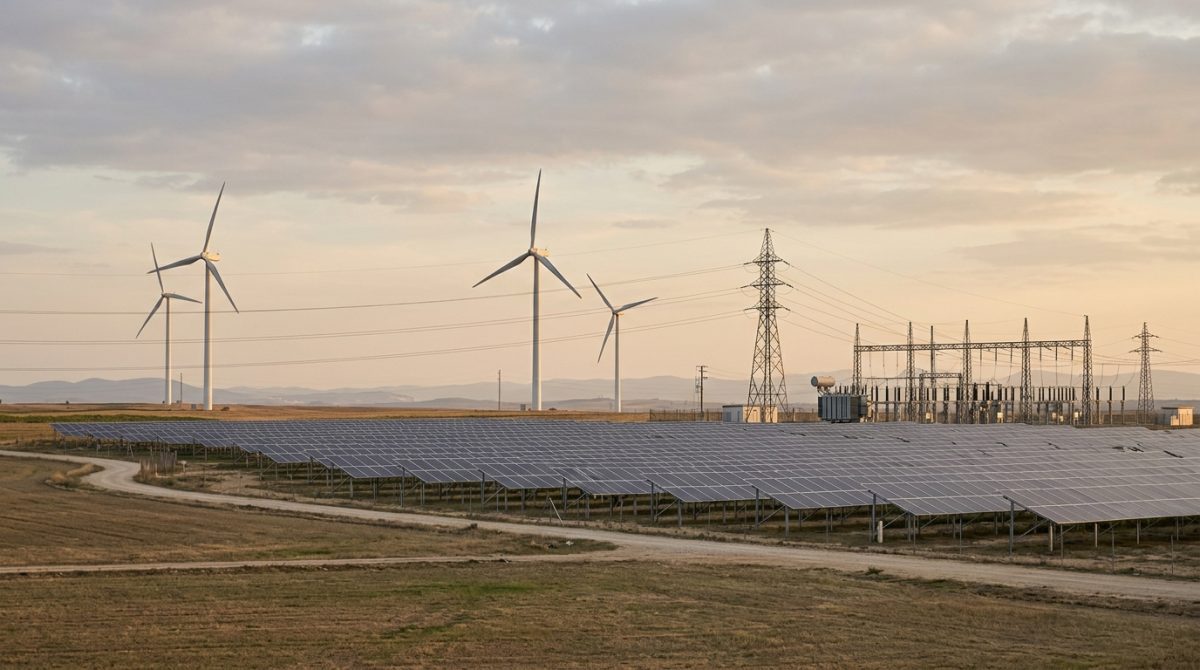
The transition to an electrified economy is further straining resources, as industries require significant quantities of copper, lithium, steel, and gold. Mining and refining these materials often take over a decade to scale, creating a persistent supply gap. These constraints, coupled with the rising costs of production caused by extreme weather, are expected to lead to climate stagflation, where stagnant economic growth coincides with high inflation.
The report suggests that the economic pressure of this transition is exacerbating global inequalities and fueling conflict. Historical data indicates that climate variations have contributed to approximately 20 per cent of past armed conflicts, with current geopolitical tensions often aligning with drought-prone regions. As governments and businesses struggle to secure resources, the resulting economic squeeze is expected to disproportionately impact the Global South.