Strategies for Maximizing Solar Self-Consumption After Net Metering Ends
Homeowners can optimize their solar energy usage by integrating heat pumps, air conditioning units, and battery storage systems.
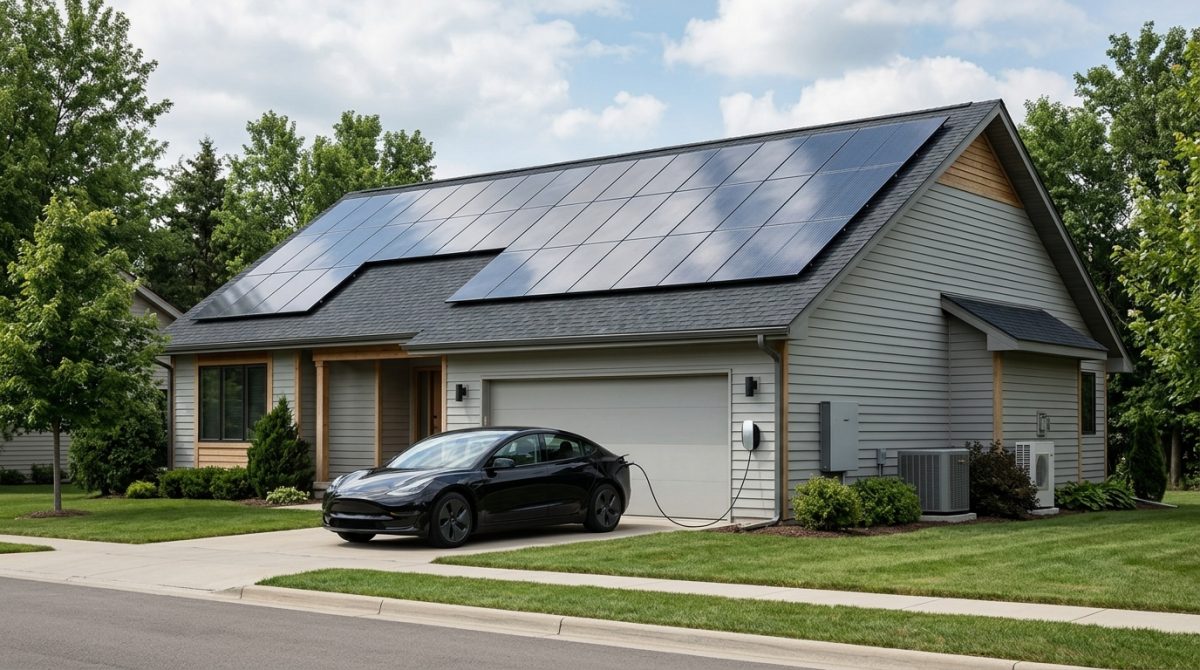
With the end of the net metering scheme in the Netherlands, households must adapt to maximize the value of their solar energy production. Wouter Wolfswinkel, innovation manager at energy company Vattenfall, suggests that while net metering previously acted as a support mechanism for sustainability, homeowners can now achieve 80 to 90 percent self-consumption by investing in smart energy management and storage solutions.
For a typical household with 3,000 watt-peak of solar panels, approximately one-third of generated electricity is consumed automatically, providing a lasting annual benefit of about 250 euros. To capture the remaining two-thirds, behavioral changes like running appliances during peak sunlight offer only marginal gains. Instead, Wolfswinkel recommends technical upgrades, such as installing a hybrid or all-electric heat pump, which can utilize roughly 6 to 9 percent of solar production.
Air conditioning units are increasingly viewed as viable heating solutions. With over 3 million households expected to have air conditioning by 2030, these systems can contribute to both cooling and heating needs, potentially saving users around 83 euros annually in electricity costs while reducing gas consumption. Additionally, adjusting electric vehicle charging to match solar output, particularly by using single-phase charging, can significantly increase the utilization of self-generated power.
Energy storage remains a critical component for balancing supply and demand. A 5 kilowatt-hour home battery can increase self-consumption by approximately 38 percent, while a solar water heater can capture up to 44 percent. Wolfswinkel notes that battery prices have become more attractive, and plug-in models offer a lower-barrier entry for both homeowners and housing corporations. By combining these technologies with automated energy services, consumers can further reduce energy costs and navigate the post-net metering landscape effectively.