Record Heat Waves Expose Urgent Need For Resilient Infrastructure
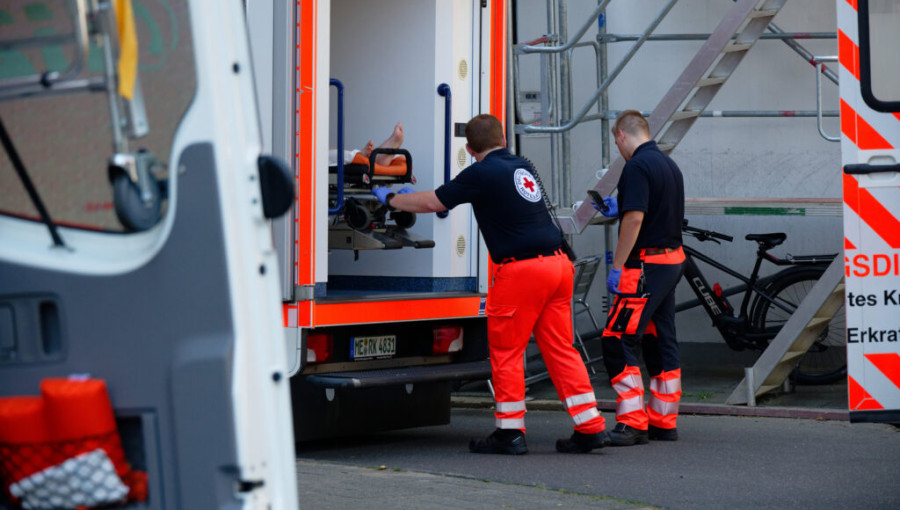
Germany experienced its highest number of heat-related fatalities on record this past summer, with an estimated 16,000 deaths occurring between May and August. Experts at the 2026 Extreme Weather Congress in Hamburg noted that while climate forecasting technology successfully predicted the dangerous temperatures, the country’s infrastructure and emergency response systems failed to adapt. The crisis highlighted a critical disconnect between scientific warnings and public health preparedness. Similar vulnerabilities were observed in the United Kingdom, where heat-related deaths reached at least 2,700, underscoring a broader, systemic failure to protect populations from increasingly frequent and severe climate extremes.
The recent heat waves exposed that Germany’s infrastructure—including buildings, water systems, and transportation—remains designed for a climate that no longer exists. Meteorologists and health researchers pointed to fragmented communication and a lack of established procedures for managing heat emergencies within hospitals. Experts argue that current adaptation efforts are insufficient, as many public facilities continue to be built or maintained according to outdated 1980s standards. There is an urgent need for infrastructure to be resilient against future temperatures that could reach 120 degrees Fahrenheit by 2050, as current trends suggest extreme heat will become a recurring, systemic threat.
The challenge extends beyond Germany, as seen in the 2021 Pacific Northwest heat dome, which resulted in over 1,000 excess deaths. Researchers emphasize that warning systems are often ineffective because they fail to account for the logistical realities of a crisis, such as how vulnerable individuals are contacted or how cooling centers are accessed. Furthermore, climate impacts often compound; for instance, wildfire smoke can make it hazardous to open windows for cooling. Experts advocate for treating extreme heat as a persistent public health risk, requiring long-term planning, proactive government intervention, and trusted local communication networks to prevent avoidable loss of life.