Record Summer Heat Highlights Critical Role Of Solar Power

The National Oceanic and Atmospheric Administration has confirmed that this past meteorological summer was the hottest on record for the contiguous United States, surpassing previous highs from 1936 and 2021. Across the country, 86 percent of the population endured at least 30 days of risky heat, while Europe faced its own severe heat waves. Experts attribute these record-breaking temperatures to a combination of human-driven climate change and the influence of El Niño. As global temperatures continue to climb, researchers warn that the lack of nighttime cooling is creating significant public health risks for vulnerable populations.
The data indicates that the contiguous U.S. experienced temperatures 3 degrees Fahrenheit above the 20th-century average, with August reaching 3.5 degrees above the norm. Western states, including New Mexico, Nevada, Colorado, and Utah, were particularly affected, with Colorado recording temperatures 4.4 degrees above average. Globally, the impact was widespread, with 2.8 billion people in Asia facing significant heat exposure. Europe remains the fastest-warming continent, a trend exacerbated by its proximity to the rapidly warming Arctic and a reduction in atmospheric aerosols that previously reflected solar energy back into space.
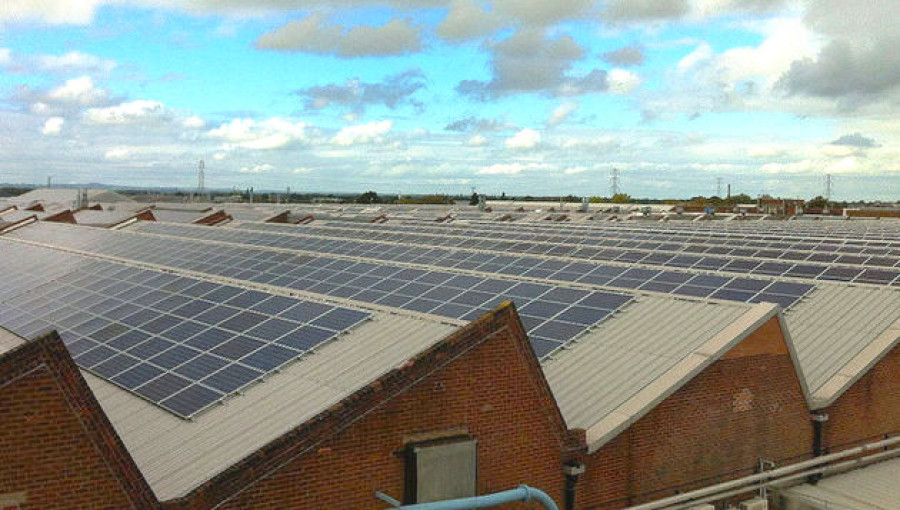
The intensity of the heat has placed immense pressure on infrastructure, though solar power has played a critical role in stabilizing electrical grids during peak demand. Beyond the immediate danger of heat-related illness, the persistence of these temperatures is a growing concern. Climate change is not only increasing the intensity of heat waves but also extending their duration. Furthermore, because nighttime temperatures are rising faster than daytime highs, the human body is often denied the essential recovery period needed to dissipate accumulated heat, posing severe risks to the elderly and those who labor outdoors.
Looking ahead, scientists are monitoring the development of El Niño, a phenomenon involving warm Pacific waters that is contributing to current temperature spikes. Because the event has not yet reached its peak, researchers suggest that the coming year could potentially bring even higher temperatures. The ongoing analysis from groups like Climate Central highlights that while extreme heat is a direct threat, it also serves to aggravate existing heart and lung conditions, creating a complex public health challenge that continues to evolve as the climate warms.