Real Time Monitoring Boosts Lead Free Perovskite Solar Efficiency
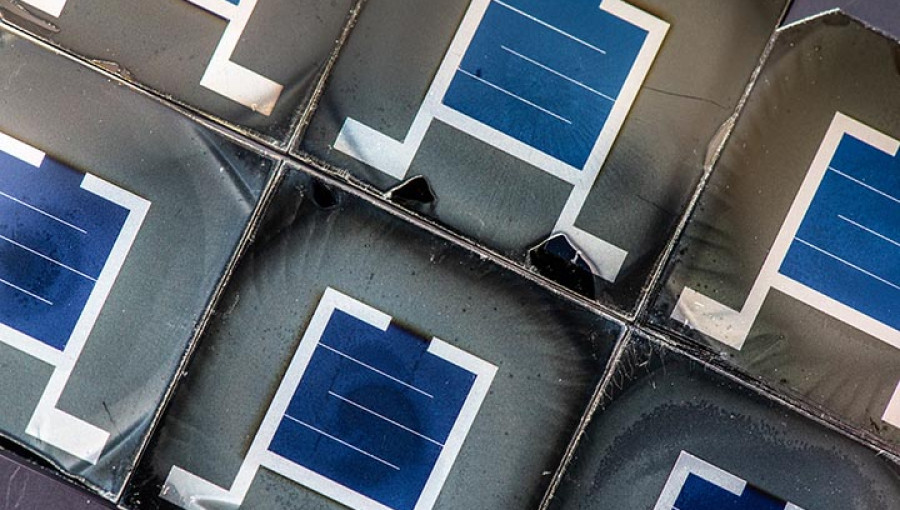
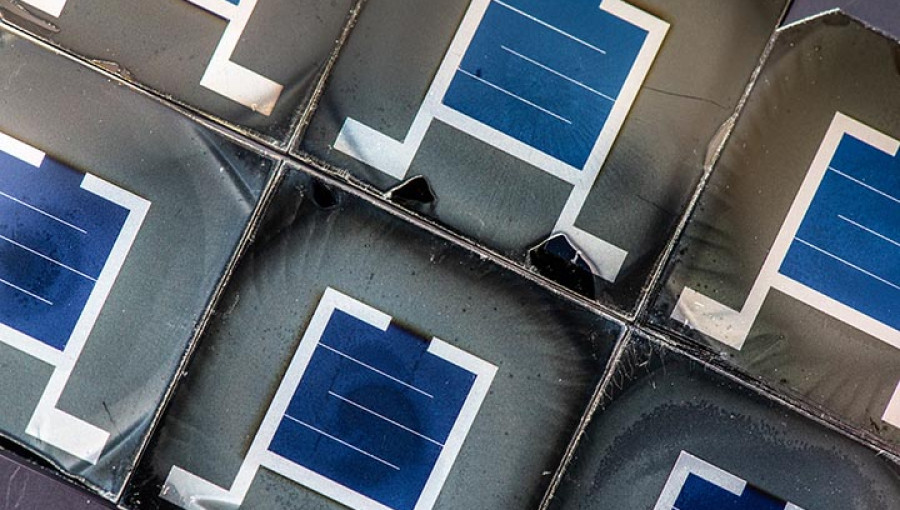
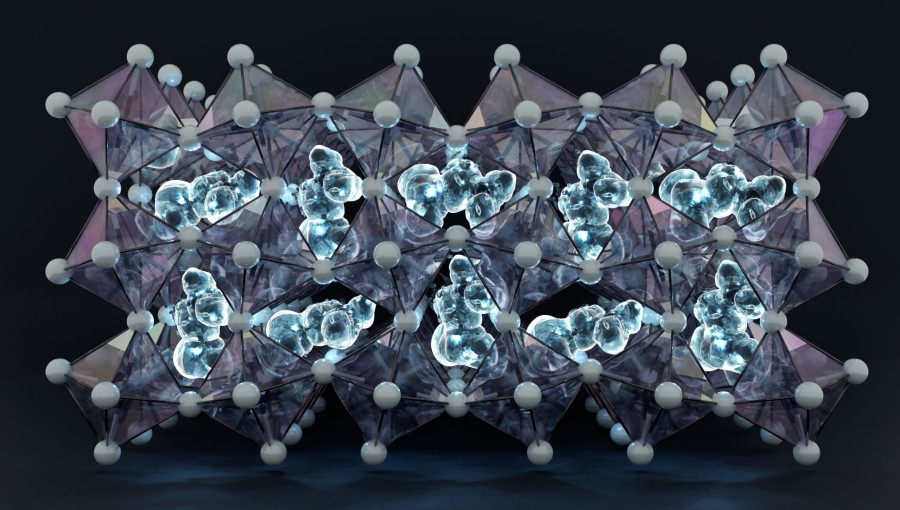
Researchers at The University of Osaka and Kyoto University are tackling a critical hurdle in the commercialization of lead-free tin-perovskite solar cells: the difficulty of achieving consistent manufacturing. While laboratory efficiency records are common, the rapid crystallization of tin-based perovskites makes high-quality film production notoriously sensitive to minor fabrication variations. By using in-situ optical spectroscopy to monitor film formation in real time, the team successfully optimized temperature-controlled anti-solvent engineering. This approach significantly improved power conversion efficiency and reproducibility, demonstrating that understanding the real-time dynamics of material formation is essential for scaling perovskite photovoltaics from the lab to production.
The research team utilized a nitrogen-filled glovebox equipped with StellarNet spectrometers to observe the crystallization process as it occurred. By employing UV-Vis absorption and photoluminescence spectroscopy, they gained detailed insights into how the films evolved, rather than simply analyzing the final product. This method allowed the researchers to suppress non-radiative recombination and energetic disorder, boosting power conversion efficiency from 3.50% to 9.12%. The study highlights that the ability to monitor material development during processing is a vital step in identifying the optical signatures required for stable, high-quality solar module production.
This work, which recently won StellarNet’s 6th Annual Spectroscopy Application Challenge, emphasizes a shift in focus from merely chasing record-breaking efficiency to mastering the manufacturing process. As the industry looks toward scalable production, the ability to connect specific processing conditions to final device performance becomes paramount. Real-time optical monitoring offers a path to creating larger process windows, making fabrication less susceptible to small fluctuations. By integrating these diagnostic tools into deposition systems, researchers are moving closer to the level of control necessary to bring perovskite technology into the commercial market.