Naturalist Explores Human Impact Of Artificial Light On Night Skies
Author Craig Childs highlights the ecological and health consequences of light pollution while advocating for strategic lighting solutions to restore access to the stars.

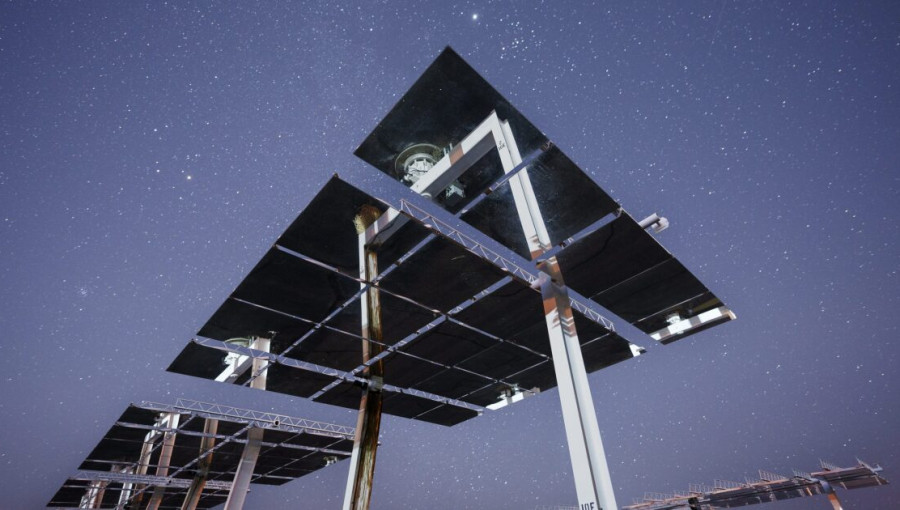
Naturalist and author Craig Childs examines the rapid expansion of artificial light and its effects on the environment in his 2025 book, The Wild Dark: Finding the Night Sky in the Age of Light. Through a 322-kilometer bicycle journey across the desert, Childs documented the transition between different levels of sky quality, emphasizing the importance of preserving natural darkness for ecosystems and human health.
The Bortle scale, a nine-level system used to measure night sky brightness, served as the framework for Childs' expedition. While the scale ranges from Bortle One, representing the darkest skies, to Bortle Nine, which describes the light-polluted skies over cities like Las Vegas, Childs noted that artificial light can be seen from hundreds of kilometers away. He argued that excessive illumination disrupts circadian rhythms in humans and wildlife alike.
Artificial light significantly impacts animal behavior, particularly migration and navigation. Birds that rely on stars for orientation can become disoriented by stationary city lights, leading to exhaustion and collisions. Similarly, insects are often drawn to light sources, which can disrupt local biological sequences. For humans, the lack of darkness has been linked to physiological issues, including potential health risks for night-shift workers who experience constant exposure to light.
Despite the prevalence of light pollution, Childs remains optimistic about potential solutions. He points to the emergence of dark sky communities, such as Boulder City, Nevada, and Flagstaff, Arizona, which are implementing stricter lighting requirements. These initiatives often involve replacing harsh, cold-toned street lights with warmer, softer LEDs that minimize light trespass and reduce glare. Childs suggests that by adopting more strategic lighting practices, society can mitigate the negative impacts of light pollution and rediscover the night sky.