
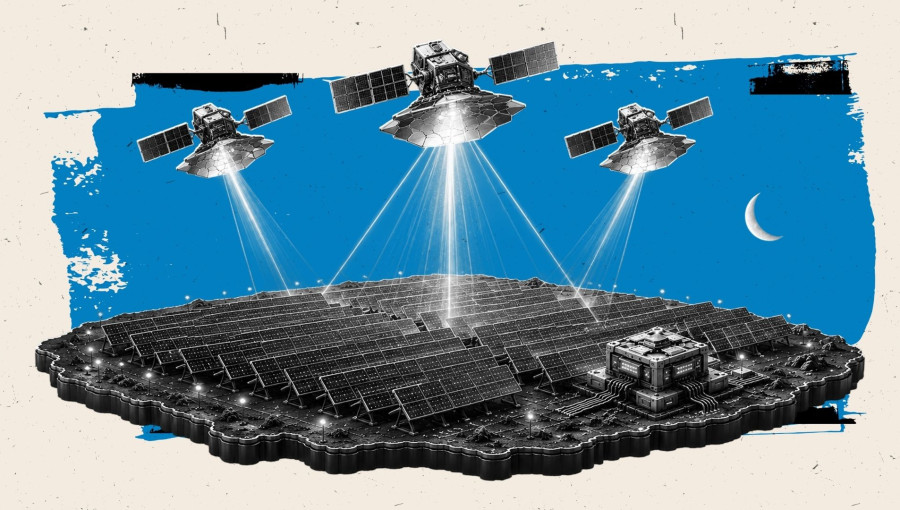
A California-based startup, Reflect Orbital, has received authorization from the Federal Communications Commission to deploy a satellite into low Earth orbit designed to reflect sunlight toward solar farms after dark. The company asserts that this technology will enable solar energy facilities to continue generating power throughout the night, potentially bolstering energy resilience and decreasing global dependence on fossil fuels. However, the project has sparked significant controversy, as members of the astronomical community have voiced strong opposition, arguing that the presence of such high-brightness satellites poses a fundamental threat to the integrity of space observations.
The initiative centers on the deployment of specialized satellites engineered to act as orbital mirrors. By redirecting solar light to ground-based photovoltaic installations during nighttime hours, Reflect Orbital aims to extend the operational window of solar energy production. Proponents suggest this innovation could be a critical step toward stabilizing renewable energy grids and accelerating the transition away from carbon-intensive power sources.
Despite the potential benefits for renewable energy, the project faces intense scrutiny from scientists. Astronomer Samantha Lawler has publicly criticized the venture, stating that the satellites are fundamentally incompatible with the needs of astronomy. The prospect of artificial light sources of this magnitude in orbit has raised alarms regarding light pollution and the potential for these satellites to interfere with sensitive astronomical research. The FCC’s approval of the launch has served as a flashpoint for this ongoing debate between technological innovation in the energy sector and the preservation of the night sky for scientific study.