Floating Power Plants Emerge As Potential Energy Solution For Coastal Areas
Floating vessels ranging from solar barges to nuclear reactors are being explored to provide reliable electricity to coastal and remote communities.

Floating power plants are gaining global attention as a method to supply electricity to islands, coastal cities, and remote regions with limited land availability. These vessels generate power on-board and transmit it directly to onshore grids, offering a solution for both permanent energy needs and temporary requirements during emergencies, natural disasters, or infrastructure failures.
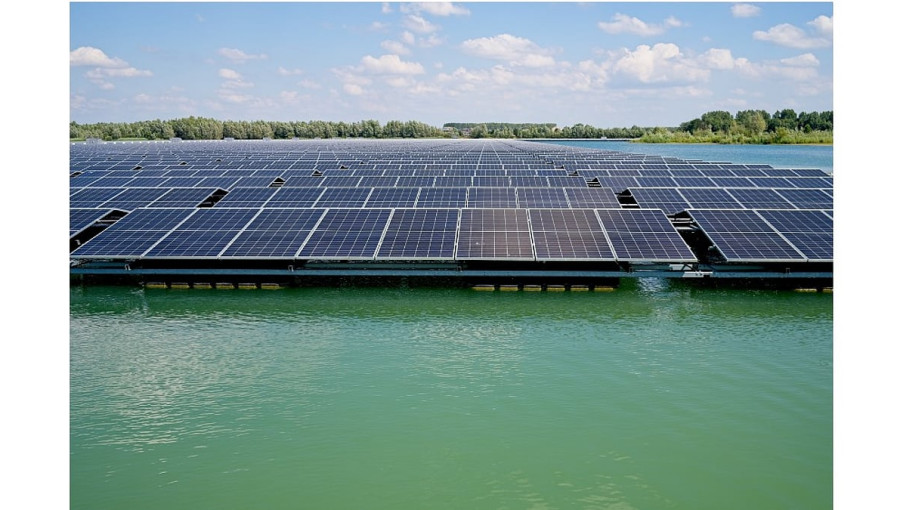
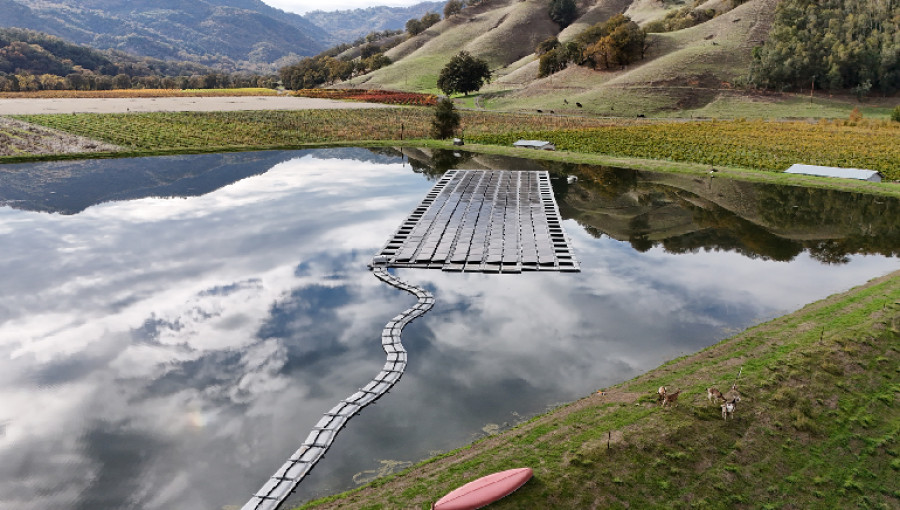
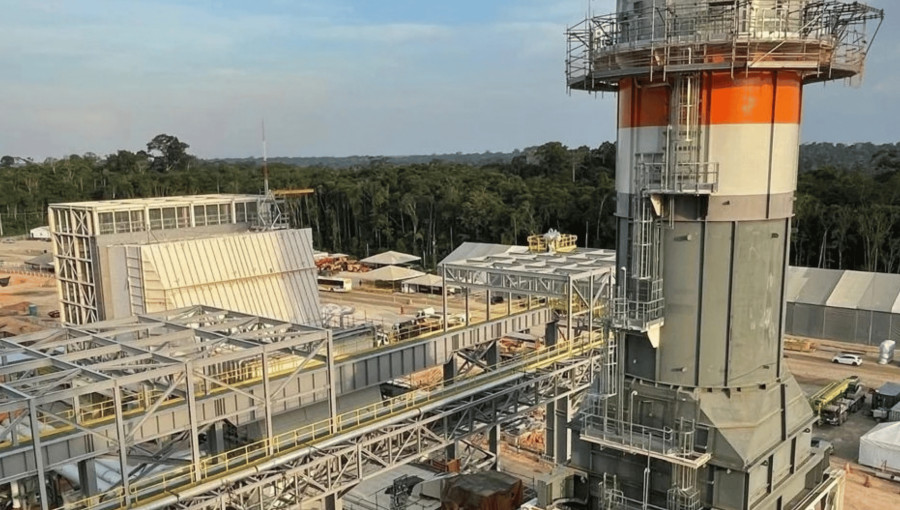
The technology encompasses two primary categories: self-propelled power ships and towed power barges. Power ships, often converted from cargo vessels, typically utilize natural gas or heavy oil to generate electricity. In contrast, power barges are flat-bottomed, non-motorized vessels. Some barges are equipped with solar panels and battery storage, which are particularly effective for supporting near-shore activities like aquaculture in regions with sufficient sunlight.
However, these systems face significant constraints. Solar barges are limited in capacity, typically ranging from a few megawatts to 50 MW, and are unsuitable for regions with prolonged periods of low sunlight. Meanwhile, traditional power ships rely on emissions-intensive hydrocarbons, which conflicts with global decarbonization goals. These limitations have prompted interest in floating nuclear power plants, such as the Akademik Lomonosov deployed by Russia in 2019.
Floating nuclear plants offer a higher energy output, capable of powering cities with over 200,000 residents, and provide a constant energy supply. Several nations, including Japan, India, and Norway, are exploring this technology. Despite the potential, the sector faces unresolved legal and regulatory questions regarding safety, environmental risks, and international maritime governance. While the American Bureau of Shipping has established initial rules for these vessels, comprehensive international frameworks remain a work in progress.