EPA Repeals Major Climate Regulations For Power Plants
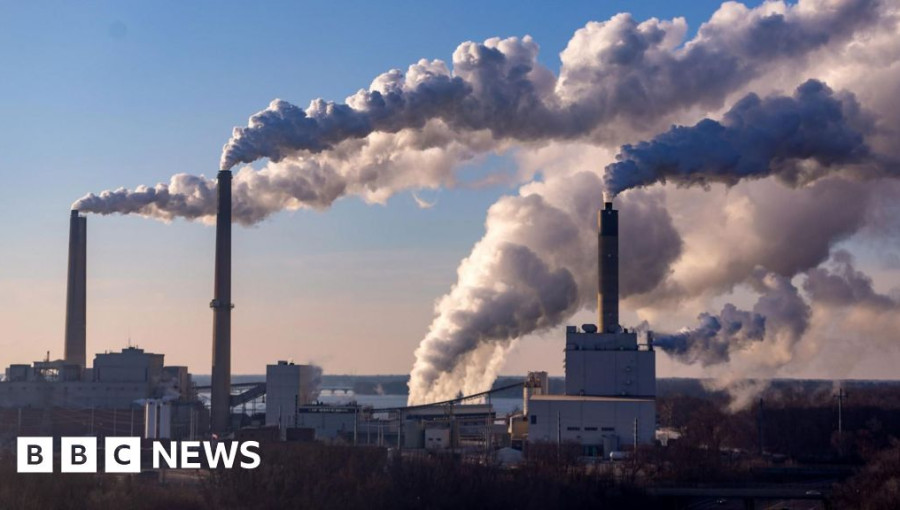
The U.S. Environmental Protection Agency has announced the repeal of major climate regulations targeting emissions from coal and natural gas power plants. EPA head Lee Zeldin stated the move aims to lower energy costs and prevent future administrations from imposing similar restrictions, arguing that previous mandates exceeded the agency’s legal authority. While the administration claims these changes will ensure reliable energy supplies and boost national security, environmental advocates warn the decision ignores scientific consensus and threatens public health. The policy shift is expected to face significant legal challenges as the nation navigates its role in global carbon emissions.
The EPA’s decision effectively dismantles the majority of climate-related rules established during the Biden era, which were designed to curb carbon emissions across the power sector. According to the agency, these prior regulations forced power plants to retire by demanding control technologies that were not adequately demonstrated. By removing these standards, the EPA estimates a potential savings of $310 billion. Officials maintained that any link between power plant emissions and public health harms remains too speculative to justify the previous regulatory burden, though they noted that existing safeguards against hazardous air pollutants will remain in place.
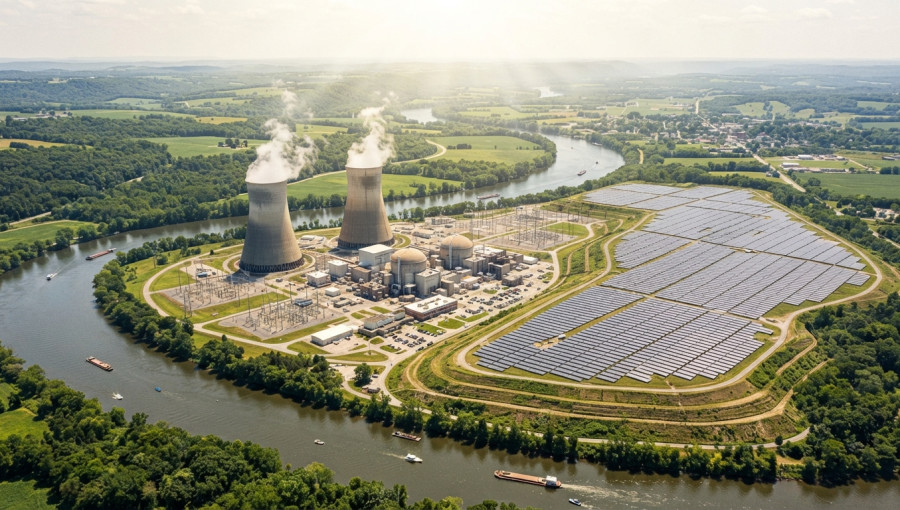
Critics of the policy, including the Center for Climate and Energy Solutions, have characterized the repeal as a significant regression in environmental protection. The U.S. power sector currently accounts for approximately one-quarter of the nation’s total greenhouse gas emissions, amounting to roughly 1.5 billion tonnes of carbon dioxide-equivalent annually. Despite the administration's push to support fossil fuels, some analysts suggest that the long-term resurgence of coal remains uncertain. They point to the substantial decline in costs for clean energy alternatives, such as solar power, which have become increasingly competitive over the last decade.
This announcement marks the latest effort by the Trump administration to reverse policies aimed at mitigating global warming. It follows a series of regulatory rollbacks, including the February reversal of a scientific ruling that classified greenhouse gases as a threat to public health. The EPA’s current strategy also aligns with a 2022 Supreme Court ruling that limited the agency’s authority to regulate emissions across state lines. As the administration seeks to finalize these changes through public scrutiny, the move sets the stage for a protracted legal battle over the future of federal climate oversight and national energy policy.