Entrepreneurs and Advocates Push for Circular Economy to Reduce Plastic Waste
Businesses and policymakers are exploring reuse models to move away from single-use plastics and minimize the environmental impact of packaging.
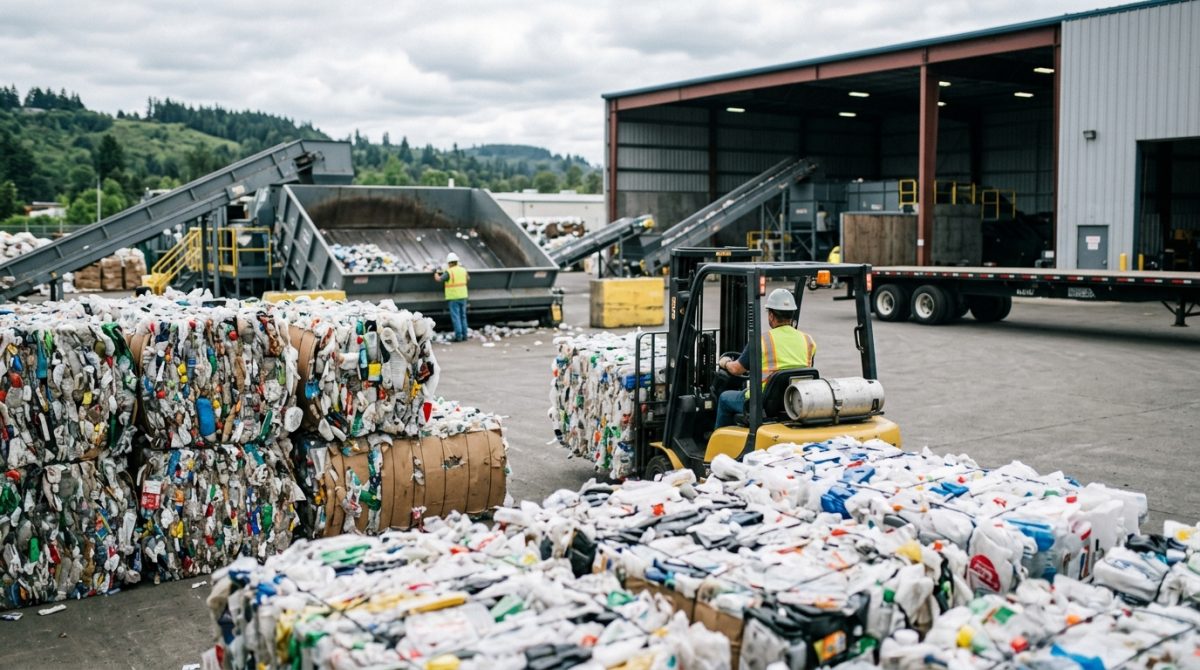
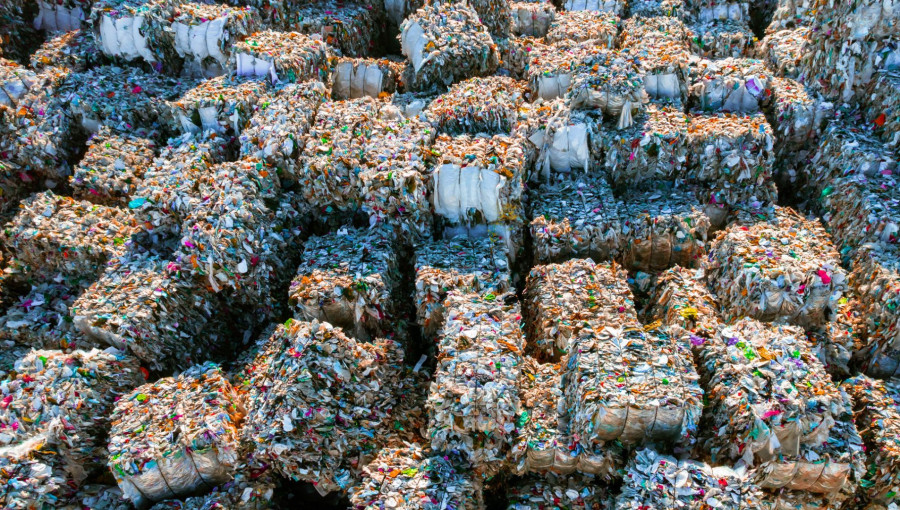
A growing movement of entrepreneurs, activists, and policymakers is working to shift the global economy away from single-use plastics toward a circular model. This approach prioritizes reuse systems for containers and packaging to reduce waste generation. The initiative comes as petrochemical companies plan to triple plastic production by 2060, a trend that could result in 44 million metric tons of annual aquatic plastic pollution.
The Ellen MacArthur Foundation estimates that replacing 20 percent of single-use plastic packaging with reusable alternatives could save businesses $10 billion in material costs. Current reuse strategies are categorized into four models based on container ownership and refill location: refill at home, refill on the go, return from home, and return on the go. Companies like Blueland utilize a refill-at-home model, selling concentrated cleaning tablets that customers dissolve in durable glass or ceramic bottles.
Other businesses are developing reverse logistics infrastructure to support returnable packaging. For example, the platform Loop partners with brands to manage the collection, cleaning, and restocking of reusable containers. In Portland, Oregon, the company Bold Reuse provides subscription services for restaurants to replace single-use dishware with reusable inventory. Some programs, such as those piloted by Starbucks, allow customers to borrow cups for a small deposit.
Despite the potential for waste reduction, the transition faces significant hurdles, including complex health regulations that often restrict the use of personal containers for food. Furthermore, companies must invest in new infrastructure to track and sanitize reusable items. While some businesses see long-term cost savings through these systems, advocates emphasize that voluntary corporate initiatives are insufficient on their own.
Environmental groups are calling for legislative action to institutionalize reuse infrastructure and restrict plastic production. Proposed measures include updating food safety codes, implementing national deposit return systems, and requiring companies to redesign packaging. Public support for such policies remains high, with recent polling indicating that a majority of American voters favor reducing plastic production and increasing access to reuse systems.