Congress Introduces First Federal Legislation To Support Plug-In Solar Technology
The Socket Full of Sunshine Act aims to expand access to balcony solar systems through rebates and the removal of regulatory barriers.
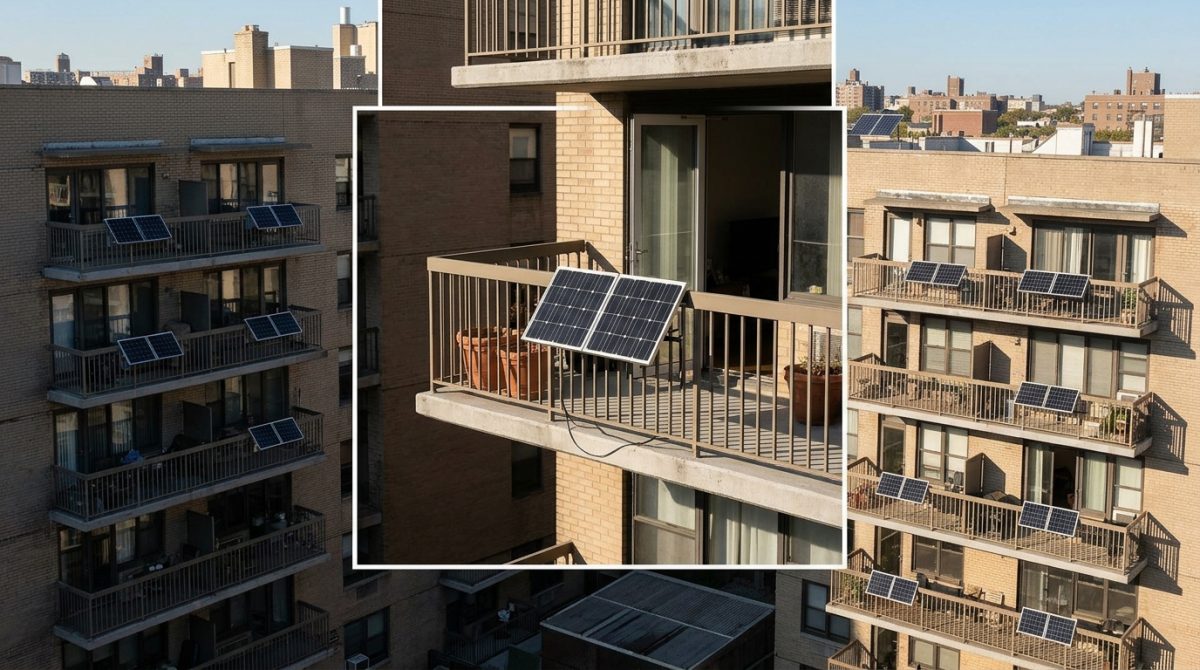
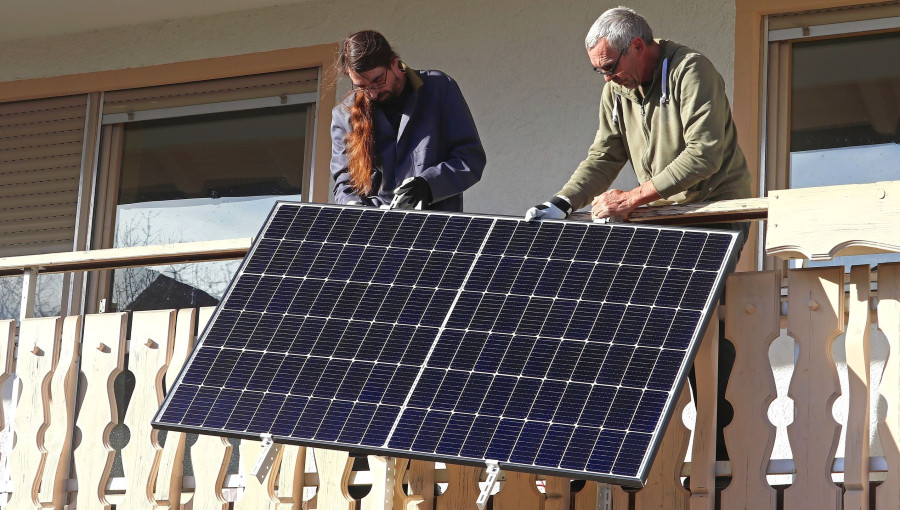
Representative Rob Menendez has introduced the Socket Full of Sunshine Act, the first federal legislation in the United States designed to promote plug-in solar technology. The bill seeks to increase access to balcony solar panels, which allow users to connect systems directly to wall outlets, by offering rebates of up to $1,000 and eliminating restrictive utility connection requirements.
The proposed legislation aims to address rising electricity costs by enabling homeowners and renters to install solar systems without the high costs associated with traditional rooftop installations. According to Menendez, the bill could reduce annual electricity bills by hundreds of dollars. Currently, balcony solar system costs typically range from $285 to $3,500. The bill also establishes a $100 million grant program within the U.S. Department of Energy to fund state-level rebates for low- and moderate-income households.
Beyond financial incentives, the act intends to standardize safety regulations for plug-in solar devices, which have previously hindered legislative efforts at the state level. The bill would also mandate that products include a label informing consumers of expected electricity bill savings. Currently, 10 states have enacted laws to facilitate the use of solar systems that plug into standard outlets.
Supporters of the legislation, including the nonprofit organization Bright Saver and the Sierra Club, suggest that the bill will improve energy equity and reduce grid demand. Xavier Boatright, deputy legislative director for clean energy and electrification at the Sierra Club, noted that the measure provides a pathway for renters and lower-income families to benefit from clean energy while decreasing emissions.