Bangladesh Approves 442 MW Solar Project With Eight Hour Battery Storage
The new facility will be the country's largest solar installation and is scheduled for completion by March 2029.
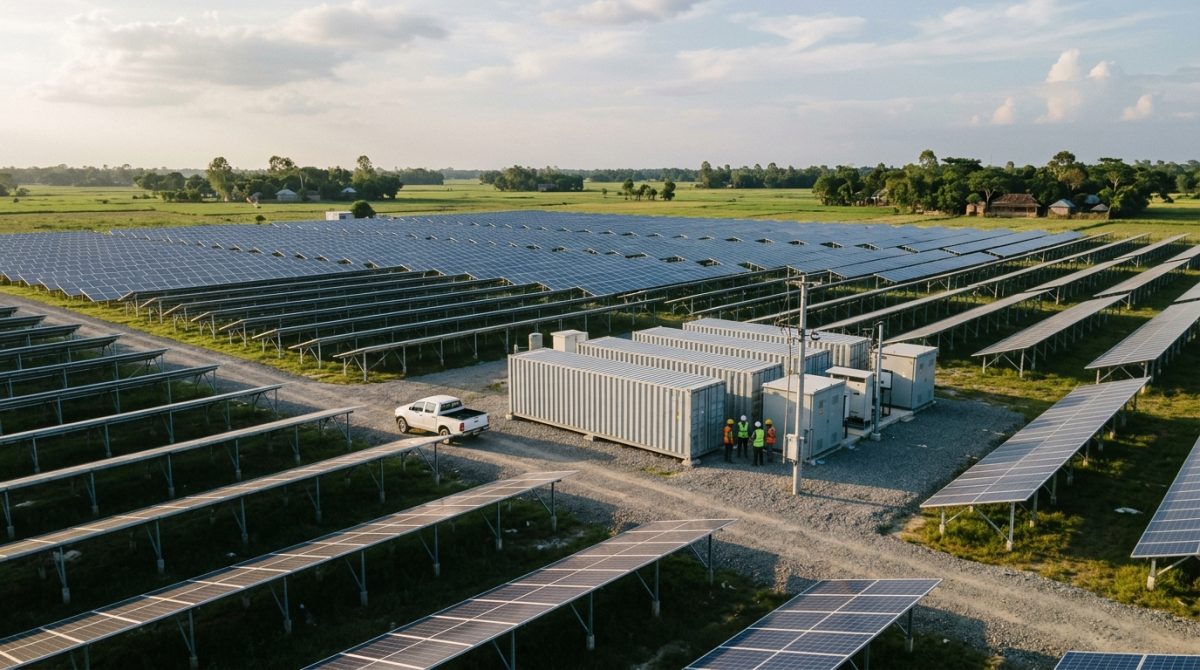
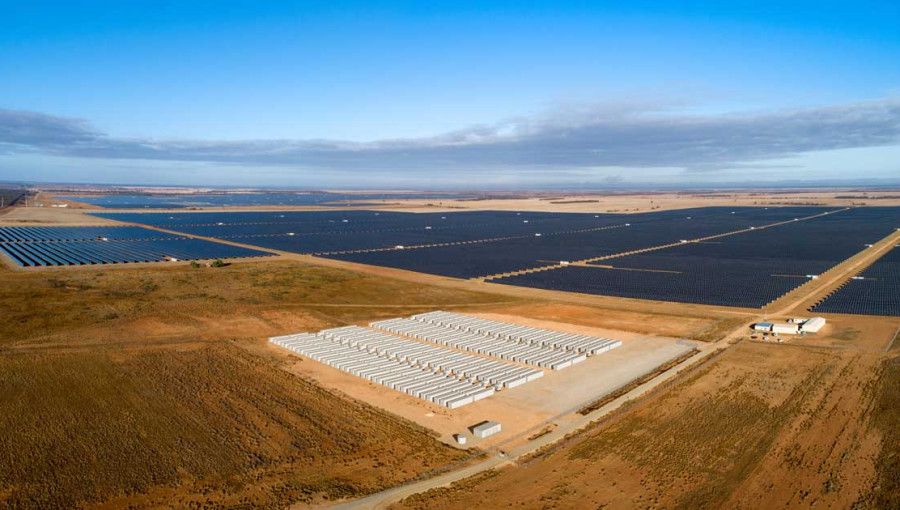
The Executive Committee of the National Economic Council in Bangladesh has approved a 442 MW grid-connected solar power plant equipped with eight hours of battery storage. The project, which aims to mitigate ongoing electricity shortages and boost renewable energy capacity, will be developed by the Bangladesh Power Development Board at a cost of BDT 25 billion, or approximately $200 million.
Located in the Bagerhat district of southwestern Bangladesh, the plant will occupy 371.7 hectares of land originally intended for a second unit of the existing 1.32 GW coal-fired Rampal Power Station. Implementation of the project is slated to occur between September 2026 and March 2029. Junior Planning Minister Zonayed Abdur Rahim Saki noted that the inclusion of eight hours of battery storage will allow for a greater volume of solar energy to be utilized outside of daylight hours.
The initiative aligns with the government's Renewable Energy Development Policy 2026–2030, which seeks to have renewables account for 20% of the national electricity mix by 2030. Officials stated that the project is designed to reduce reliance on fossil fuels and lower greenhouse gas emissions. Currently, Bangladesh has 1,871 MW of installed renewable energy capacity, with solar accounting for 1,492 MW of that total.
To accelerate the adoption of solar energy, the government has recently implemented several fiscal and regulatory changes. These include reducing the tax on imported solar equipment from 17% to 1% for a 180-day period and establishing a $123 million fund for rooftop solar projects. Additionally, the government has introduced a tariff of BDT 10.50 per kWh for surplus electricity from rooftop systems and reinstated payment guarantees to improve the bankability of renewable energy investments.