World's Tallest Wind Turbine Reaches Final Height In Germany
Standing 365 metres tall, the new turbine in Brandenburg aims to improve energy independence by capturing stronger winds at higher altitudes.
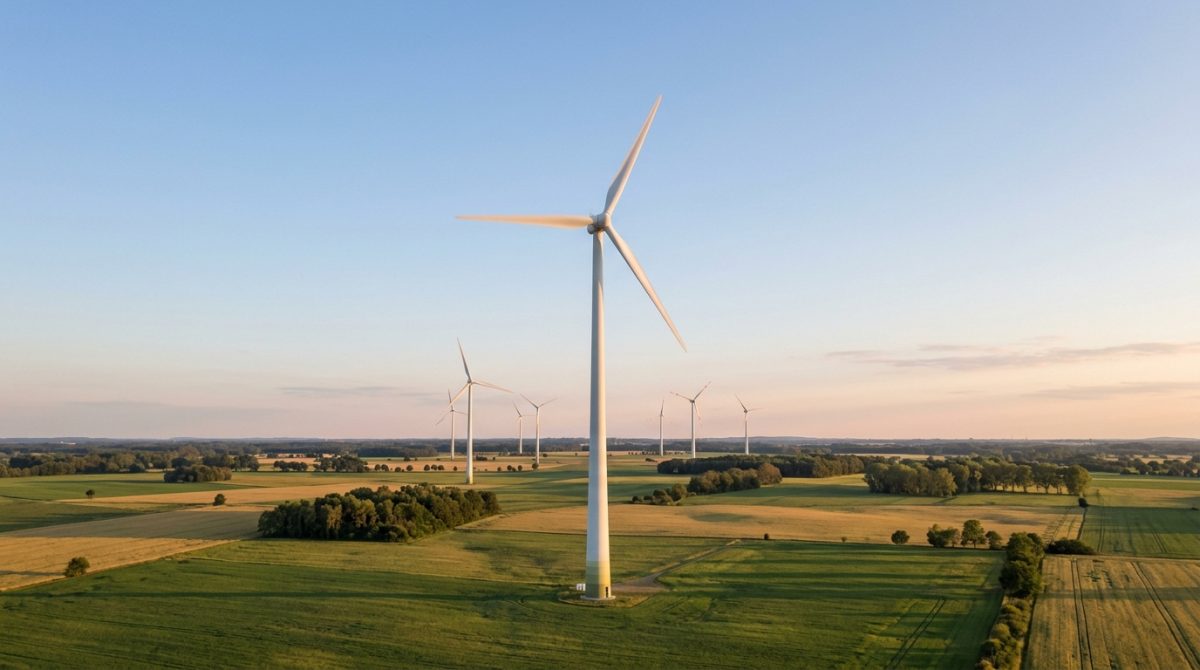
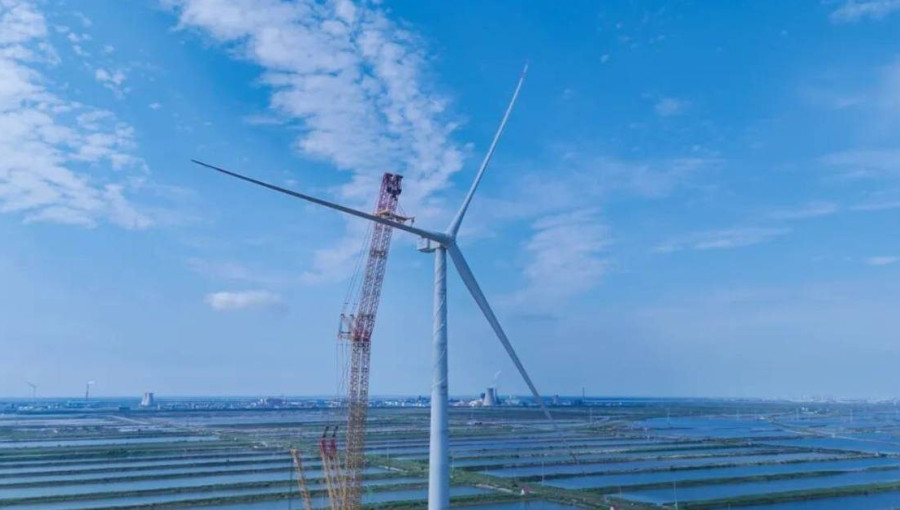
A wind turbine in Schipkau, Germany, has reached its final height of 365 metres, making it the tallest in the world. Located in the former coal-mining region of Lusatia, the structure stands only three metres shorter than the Berlin TV Tower. Construction, which utilized a specialized telescopic device to raise the turbine, took approximately two years to complete.
The project, developed by the company GICON, is designed to capture stronger and more consistent winds found at higher altitudes. The turbine is expected to generate between 30 and 33 gigawatt hours of electricity annually, which the company estimates could power roughly 7,500 four-person households. GICON anticipates that electricity production costs will remain below five cents per kilowatt hour.
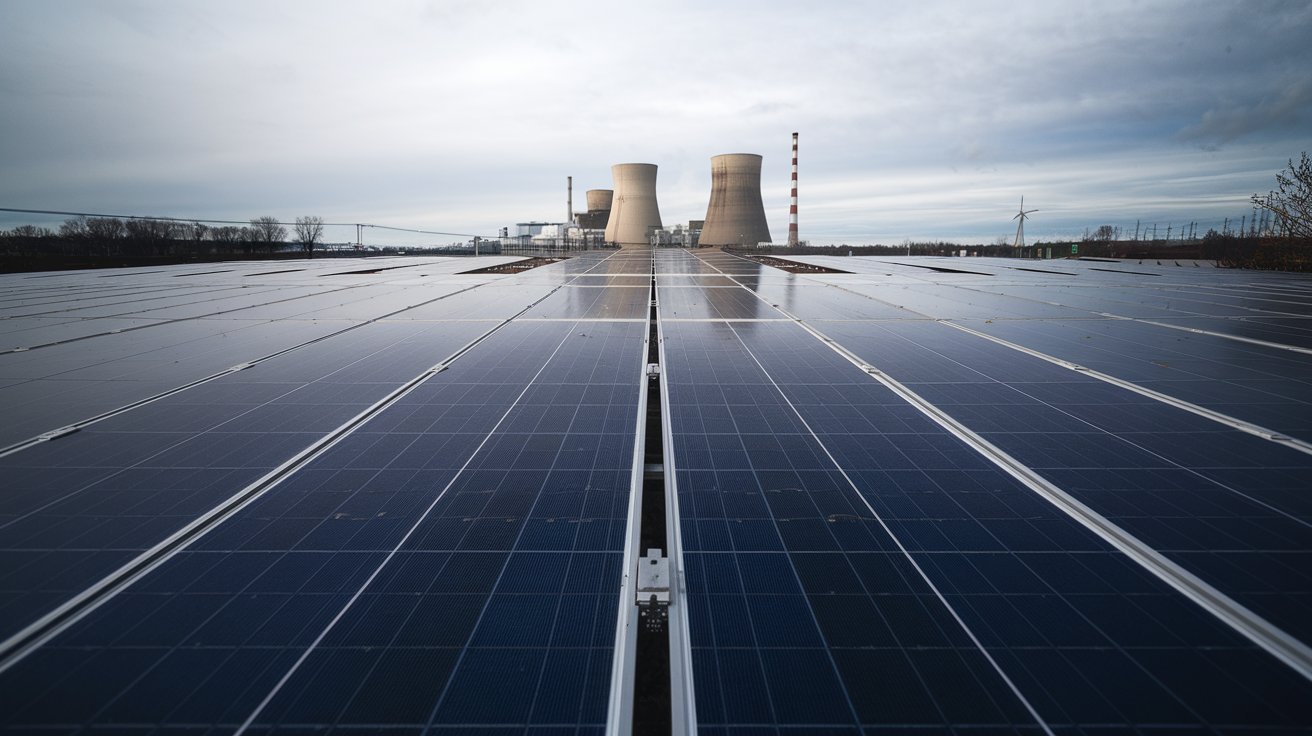
The site is intended to eventually function as a hybrid power plant, incorporating a solar park on the ground to increase total energy yield. This development comes as Germany seeks to expand its renewable capacity, with the federal government recently announcing plans to tender 12 gigawatts of additional wind power capacity by 2030.
The project faced delays in late 2025 due to technical issues with steel components, which necessitated a temporary halt in construction to ensure safety and quality. The turbine is scheduled to be connected to the power grid in November. Proponents suggest that high-altitude wind technology could allow for more decentralized energy production in regions where ground-level winds are insufficient.
The initiative also highlights ongoing challenges with European power grids, which often struggle to transport renewable energy from windy regions to high-consumption areas. In 2023, Germany lost approximately 9.3 terawatt hours of wind power due to grid congestion, leading to nearly €3 billion in costs for consumers. Supporters believe that better-distributed, high-altitude wind generation could help mitigate these grid limitations.