US Solar Capacity Reaches Milestone Powering Fifty Million Homes
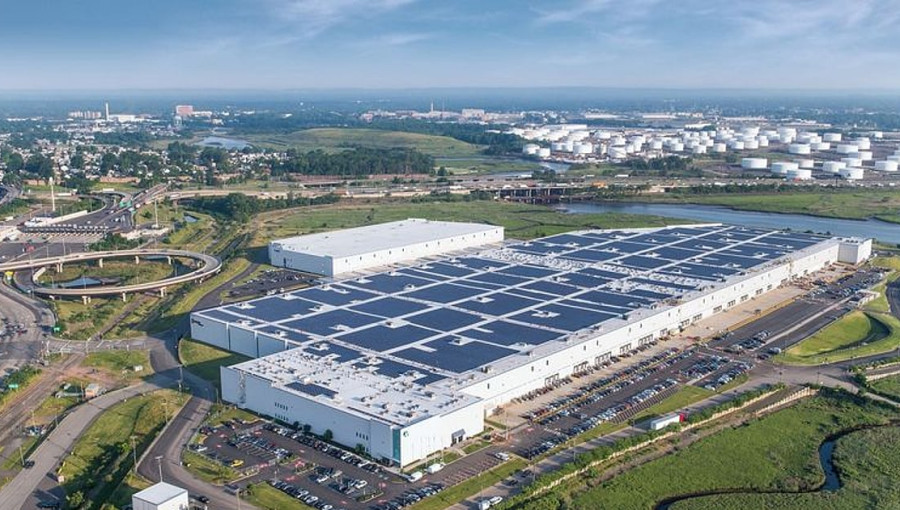
The United States has achieved a significant energy milestone, reaching a cumulative solar capacity capable of powering over 50 million homes. According to the Solar Energy Industries Association and Wood Mackenzie, the nation added 11.4 gigawatts of direct-current solar capacity in the second quarter of 2026, marking a substantial increase over previous periods. While utility-scale projects drove the majority of this growth, the industry now faces a complex landscape defined by rising electricity demand, emerging trade barriers, and the ongoing need for infrastructure improvements to ensure the long-term viability of solar as a primary pillar of the national grid.
Utility-scale solar installations accounted for 9.6 gigawatts of the quarterly growth, representing a 61% increase compared to the same period last year. Developers accelerated these projects in anticipation of potential shifts in federal tax incentives. Interestingly, the expansion is not limited by political geography; states won by Donald Trump in the 2024 election were responsible for 71% of the new capacity, highlighting that large-scale solar development has become a key economic driver across the political spectrum. Conversely, the residential solar sector saw a 10% decline during the same timeframe, dropping to 995 megawatts.
Despite this momentum, the industry is navigating significant headwinds. The U.S. Commerce Department recently finalized new duties on solar cells and panels imported from Indonesia, Laos, and India, citing unfair pricing and subsidies. Industry leaders at the Solar Energy Industries Association have expressed concern that these trade barriers could inflate costs and hinder the development of a diverse supply chain. Furthermore, the sector continues to grapple with systemic challenges, including transmission constraints, complex permitting processes, and the potential for a future reduction in tax credits.
As U.S. electricity demand climbs due to the expansion of data centers, artificial intelligence, and manufacturing, solar energy is increasingly viewed as a vital tool for reducing reliance on volatile fuel prices. However, experts warn that maintaining this growth trajectory will require more than just the installation of solar modules. Future progress depends on the modernization of the electrical grid, the deployment of battery storage, and the streamlining of interconnection approvals. While solar has firmly established itself as a major component of the American power system, its continued expansion remains tied to stable policy and infrastructure investment.