United States States Move To Classify Plug-In Solar As Household Appliances
New legislation across the United States aims to simplify solar adoption by treating portable generation devices like consumer electronics rather than building modifications.
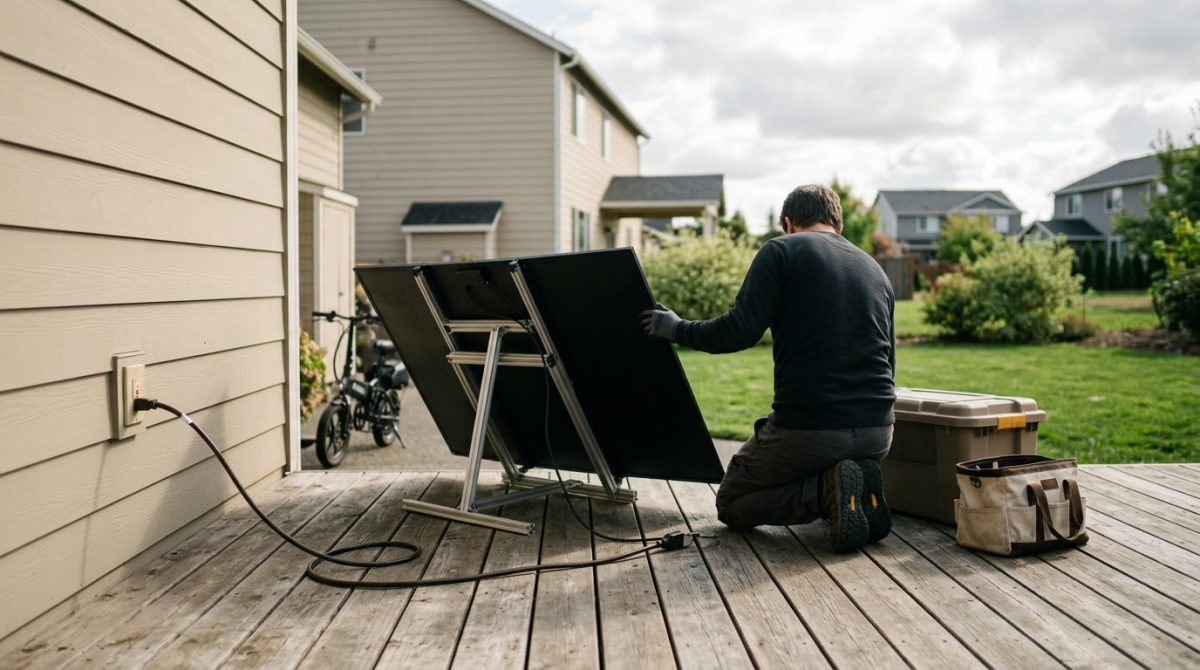
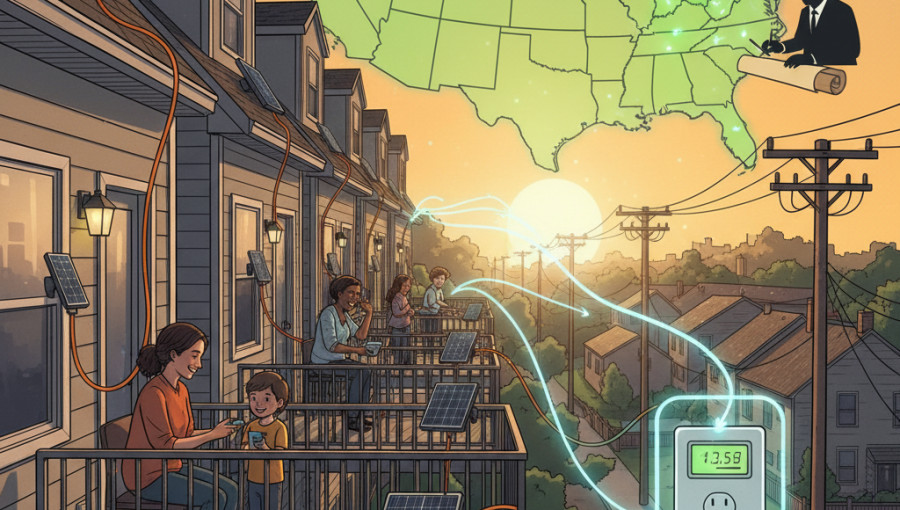
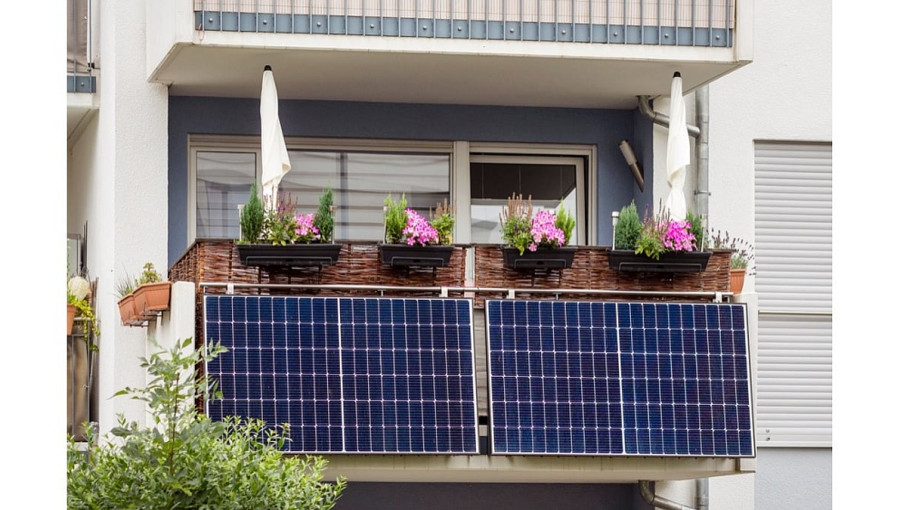
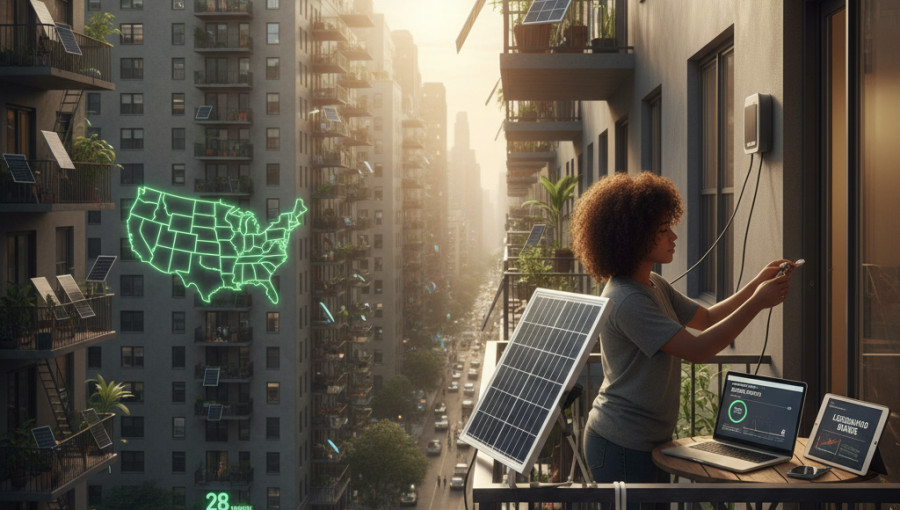
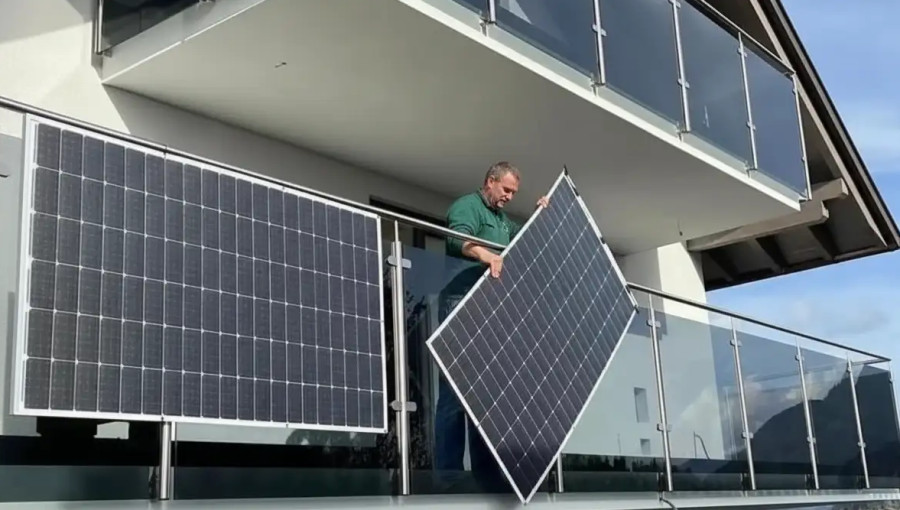
Legislative efforts to legalize plug-in solar technology are gaining momentum across the United States, with 35 states and the District of Columbia having passed or currently considering bills to regulate the systems. Often referred to as balcony solar or portable solar generation devices, these systems allow users to plug solar modules and microinverters directly into standard home AC outlets.
The legislative push seeks to remove traditional barriers such as utility oversight, building permits, and restrictions from landlords or homeowners' associations. By classifying these systems as household appliances, advocates aim to shift safety responsibilities to manufacturers through certifications like UL standards. This approach mirrors how other consumer electronics are regulated, avoiding the complex interconnection requirements and structural modifications associated with permanent rooftop solar installations.
Bernadette Del Chiaro, senior vice president at the Environmental Working Group, noted that the technology offers a pathway to affordable electricity, particularly in regions facing extreme heat. Utah was the first state to pass such legislation, following an initiative led by Representative Raymond Ward. California recently became the latest state to pass a related bill, despite challenges from utility opposition and lengthy legislative sessions.
Proponents view these portable systems as a gateway to broader solar adoption. By allowing renters and homeowners to experience the benefits of solar energy on a small scale, the technology may encourage consumers to eventually invest in larger, permanent rooftop systems. The systems operate using the same electrical principles as other household appliances, with smart inverters adjusting output to match grid voltage and frequency.