United States Clean Energy Employment Declines for First Time in Years
Federal policy shifts and the removal of tax incentives contributed to a reduction of nearly 37,000 jobs in the sector during 2025.
Clean energy employment in the United States experienced a decline in 2025, marking the first drop after four consecutive years of growth. According to an analysis of federal data by the advocacy group E2, the sector ended the year with 3.52 million jobs, a decrease of nearly 37,000 positions from the previous year. This reduction represents approximately 1% of the total clean energy workforce.
The decline follows the passage of the One Big Beautiful Bill Act by the Republican-led Congress in mid-2025, which eliminated renewable energy tax credits and consumer incentives for electric vehicles and home electrification. Additionally, the executive branch rescinded or froze billions of dollars in funding previously allocated for clean energy and efficiency installations. While overall energy sector employment also fell during this period, the job losses in clean energy align with areas specifically targeted by these policy changes.
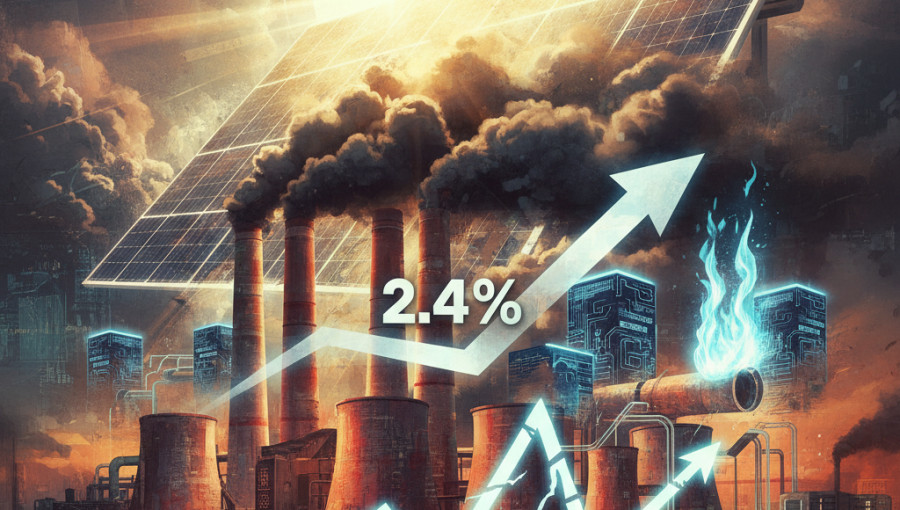
The clean vehicle sector saw the largest relative job loss at 2.4%, or 9,619 positions, following the termination of the electric vehicle tax credit in September 2025. Automakers responded by scaling back production plans and shifting battery manufacturing focus toward grid storage. In absolute terms, the energy efficiency sector recorded the highest number of losses with 21,443 jobs cut. Conversely, the storage and grid modernization sub-sector grew by 3.2%, benefiting from the retention of grid battery tax credits.
Beyond the immediate job losses, the report indicates that the policy environment has impacted future growth. E2 noted that companies canceled or downsized nearly 150 projects related to clean energy manufacturing, generation, and storage in 2025. These projects were projected to generate approximately 85,000 new jobs that will no longer be realized. Despite these challenges, clean energy deployment has remained consistent, with solar, wind, and battery technologies continuing to lead new power plant construction in the United States.