Ukraine Pivots To Decentralized Solar To Combat Grid Attacks
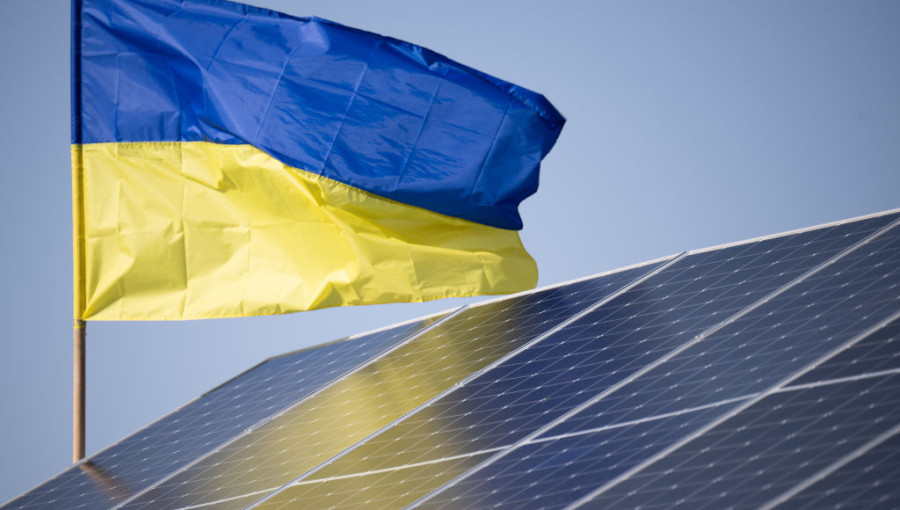
In response to persistent Russian attacks on the national power grid, Ukraine is rapidly pivoting toward decentralized solar energy to ensure operational resilience. Businesses and residential buildings are increasingly installing solar modules to mitigate the impact of frequent blackouts and reduce reliance on vulnerable, centralized power plants. Supported by government incentives like the “Affordable Loans 5-7-9” program, this transition provides a more reliable and sustainable energy source. As the nation faces ongoing infrastructure damage, these distributed renewable systems offer a critical lifeline, helping to maintain essential services and power for communities across the country.
The shift toward solar power has become a strategic necessity for Ukrainian businesses, such as a door manufacturing facility in Bila Tserkva. Faced with brutal winter blackouts and the high cost of backup generators, the facility’s owner opted for rooftop solar panels to gain energy independence. This project is part of a broader trend facilitated by private suppliers like Yasno, which has installed solar capacity at over 100 sites. These decentralized systems are favored because they are easier to repair and restore than the large-scale, centralized nuclear and fossil fuel plants that previously dominated the energy mix.
Before the invasion, Ukraine’s energy portfolio relied heavily on nuclear power and centralized infrastructure, much of which has since been damaged or occupied. With roughly 30 percent of pre-war solar capacity lost, the country is now accelerating its transition to smaller, distributed energy sources. Industry experts note that new solar installations have nearly doubled in recent years, with further growth expected. Beyond industrial use, solar energy is increasingly vital for residential buildings and frontline communities, where volunteers and NGOs are deploying solar and battery systems to ensure that residents maintain access to basic communication, heating, and essential services.