Sub-Saharan Africa Off-Grid Solar Capacity Set To Surge
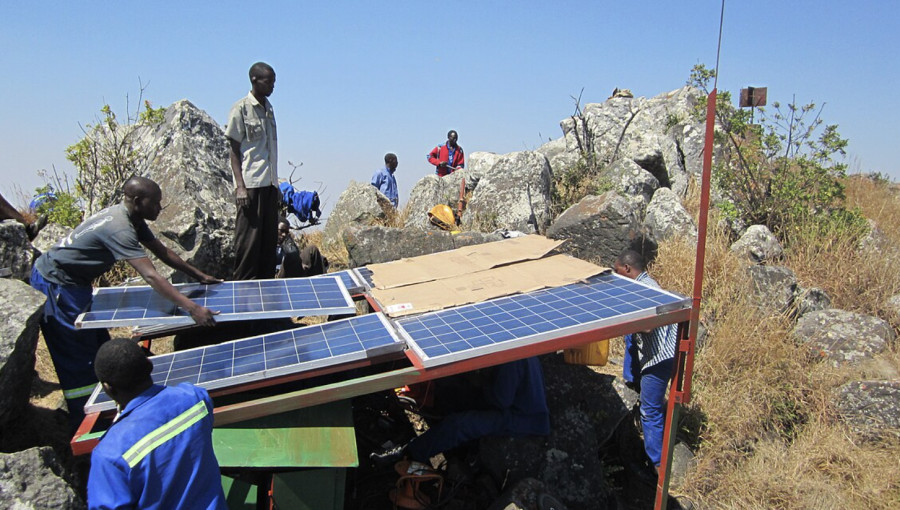
Sub-Saharan Africa is poised for a massive energy transformation, with off-grid solar capacity projected to surge by 450% by 2035. According to a Wood Mackenzie report, falling solar module prices, rising diesel costs, and increased private capital are driving this growth. While the region currently holds a significant portion of the global population lacking electricity, off-grid solar is emerging as a primary electrification engine. Success varies by nation, with large-scale commercial and industrial projects leading in countries like Nigeria and the Democratic Republic of the Congo, while other markets focus on rural household access.
The growth trajectory is heavily influenced by the economic necessity of replacing expensive diesel generation. In Nigeria, which is expected to account for nearly 35% of the forecasted installations, commercial and industrial users are increasingly turning to solar to lower operational costs. Meanwhile, the Democratic Republic of the Congo and Zambia are seeing significant demand from the mining sector. In contrast, countries like Kenya, Ethiopia, and Tanzania are seeing a more distributed deployment, with a greater emphasis on smaller household systems and rural electrification to address energy poverty.
Despite this potential, securing financing remains the most significant hurdle to reaching these 2035 targets. High borrowing costs, currency depreciation, and the upfront capital requirements of solar and storage assets create a challenging environment for investors. Experts suggest that the solution lies in blended finance models and development-finance guarantees that can de-risk private lending. Addressing currency risk and providing local-currency financing are viewed as essential steps to ensure project viability, as dollar-denominated debt often proves unsustainable for local operators.
Beyond traditional financing, the market is evolving through innovative business models. Pay-as-you-go services have become a cornerstone for household and small-commercial energy access, particularly in East Africa. Additionally, companies are increasingly utilizing "value stacking," which involves bundling energy sales with appliance financing, insurance, and carbon credits to improve project economics. While policy uncertainty remains a secondary challenge, the shift toward more predictable, long-term frameworks is expected to further encourage private investment and help the region bridge its persistent electricity access gap.