Spain and Portugal Lead Europe in Negative Electricity Price Hours
Surplus solar generation during the second quarter caused frequent price drops, while high demand during heatwaves triggered significant spikes.
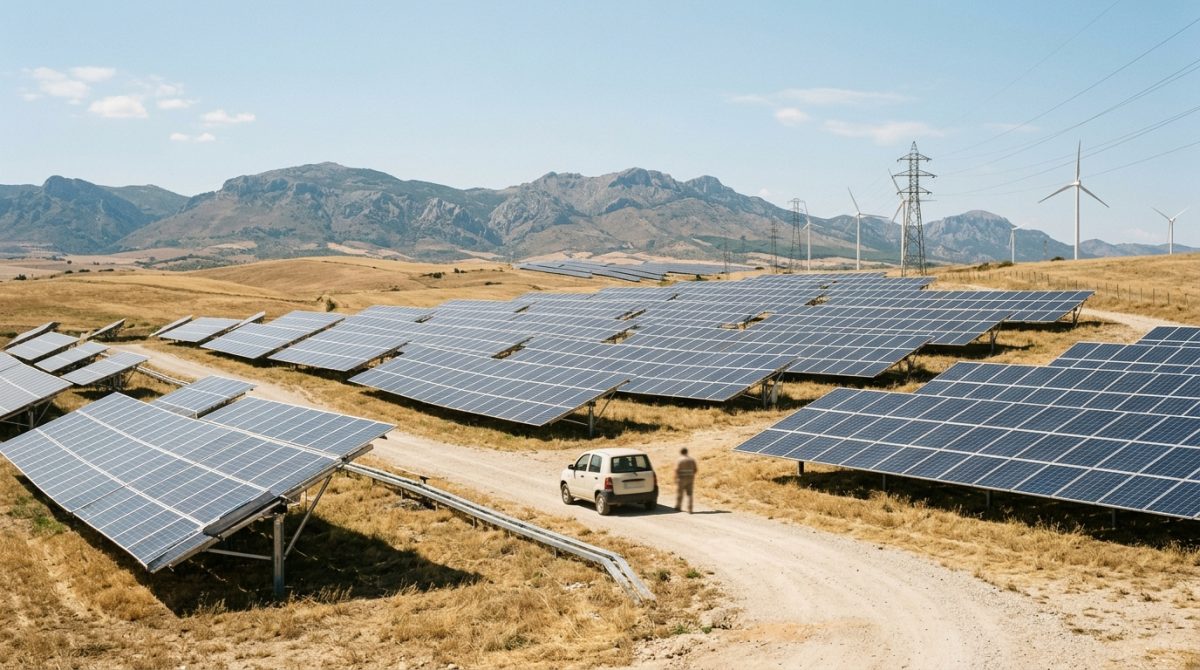
Spain and Portugal recorded the highest number of hours with negative electricity prices in Europe during the second quarter of 2026. Spain saw 596 hours of negative pricing, followed by Portugal with 462 hours, France with 370 hours, and Greece with 317 hours. This trend was driven by a nearly 20% increase in European solar power generation, which created frequent electricity surpluses around midday.
The surge in solar output, supported by prolonged sunny conditions, contrasted sharply with price spikes during periods of high demand. In Spain, electricity prices exceeded €100 ($112.3)/MWh during a late-June heatwave, despite earlier negative midday pricing. Germany experienced even steeper increases, with prices rising above €600/MWh during evening peak hours. These fluctuations reflect the growing challenges of managing electricity market volatility as solar capacity expands across the continent.
Market data indicates that the technical floor for electricity prices was adjusted from €-500/MWh to €-600/MWh in late April. In response to the recurring negative prices, some operators of thermal power plants, energy storage, and industrial consumers have begun withdrawing from day-ahead auctions. Instead, these participants are reserving capacity for intraday or balancing markets, a shift that may increase price volatility and heighten the value of rapid-response flexible resources.
According to analysis by Montel, the current market conditions highlight limitations in existing flexibility resources. To manage these challenges, the report suggests that grid reinforcement, the implementation of more granular bidding zones, and the adoption of faster curtailment and redispatch mechanisms are essential for handling cross-border flows and local grid congestion.