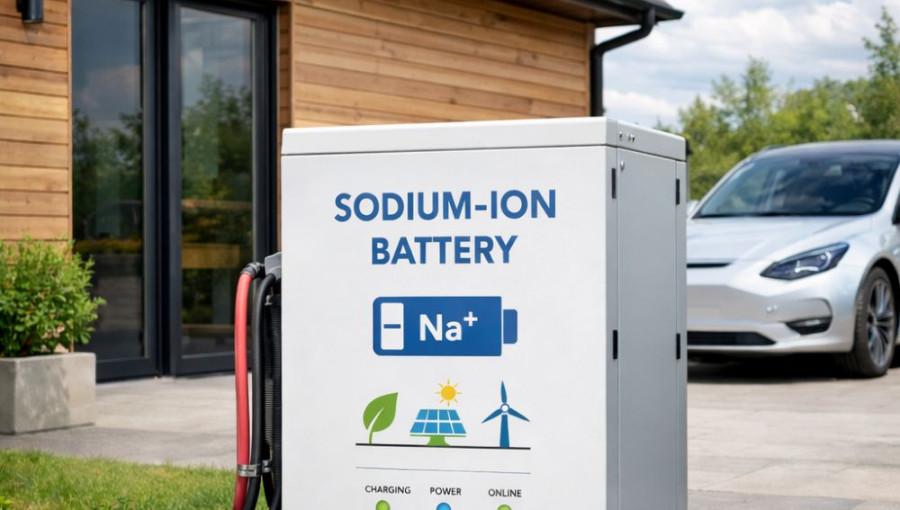
Sodium Ion Batteries Offer Lower Manufacturing Emissions Than LFP
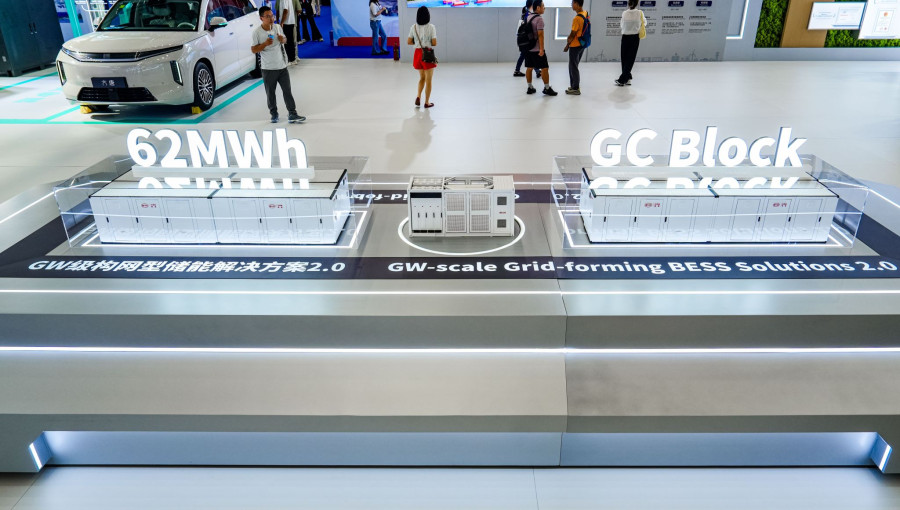
A recent life cycle assessment conducted in China suggests that layered-oxide sodium-ion battery packs are significantly more environmentally friendly to manufacture than lithium iron phosphate (LFP) alternatives. By analyzing factory-level data, researchers determined that producing a 1 kWh sodium-ion pack results in 56.8 kg of CO2 equivalent, representing a 24.9% reduction compared to the 75.5 kg required for an LFP pack. While these findings highlight the potential for lower carbon footprints in energy storage, the study notes that manufacturing emissions remain heavily influenced by the reliance on coal-powered electricity grids during the production process.
The research, published in the *Environmental Impact Assessment Review*, emphasizes that the environmental advantages of sodium-ion technology could be further enhanced through improved process optimization and a transition toward cleaner energy sources. Conversely, the authors suggest that LFP manufacturers should prioritize reducing raw material usage and exploring material substitution to improve their own sustainability metrics. The study utilized a cradle-to-gate boundary, encompassing the entire process from raw material extraction through to final manufacturing, ultimately concluding that the total environmental impact of sodium-ion packs is 27.3% lower than that of LFP counterparts.
These findings contrast with other recent academic work, such as a 2025 study from Fraunhofer and RWTH Aachen University, which suggested that sodium-ion cells may have a higher carbon footprint than LFP cells. However, experts point out that these studies are difficult to compare directly because they measure different components—cells versus full packs—and rely on varying data sources. Furthermore, earlier research often depended on lab-scale data rather than the gigawatt-hour-scale factory data used in the latest Chinese assessment.
It is important to note that both studies are limited to layered-oxide cathodes and do not account for the total cycle life of the batteries. Consequently, the research focuses strictly on manufacturing impacts rather than the emissions produced per unit of energy delivered over the battery's entire lifespan. Looking ahead, the Chinese researchers modeled a scenario where the widespread adoption of sodium-ion technology could potentially prevent 147 million metric tons of CO2 equivalent by 2035, provided that production methods continue to evolve.