Rio Tinto and Rondo Energy Begin Thermal Storage Project in Queensland
The 360MWh facility aims to provide continuous process heat to an alumina refinery using surplus renewable electricity.
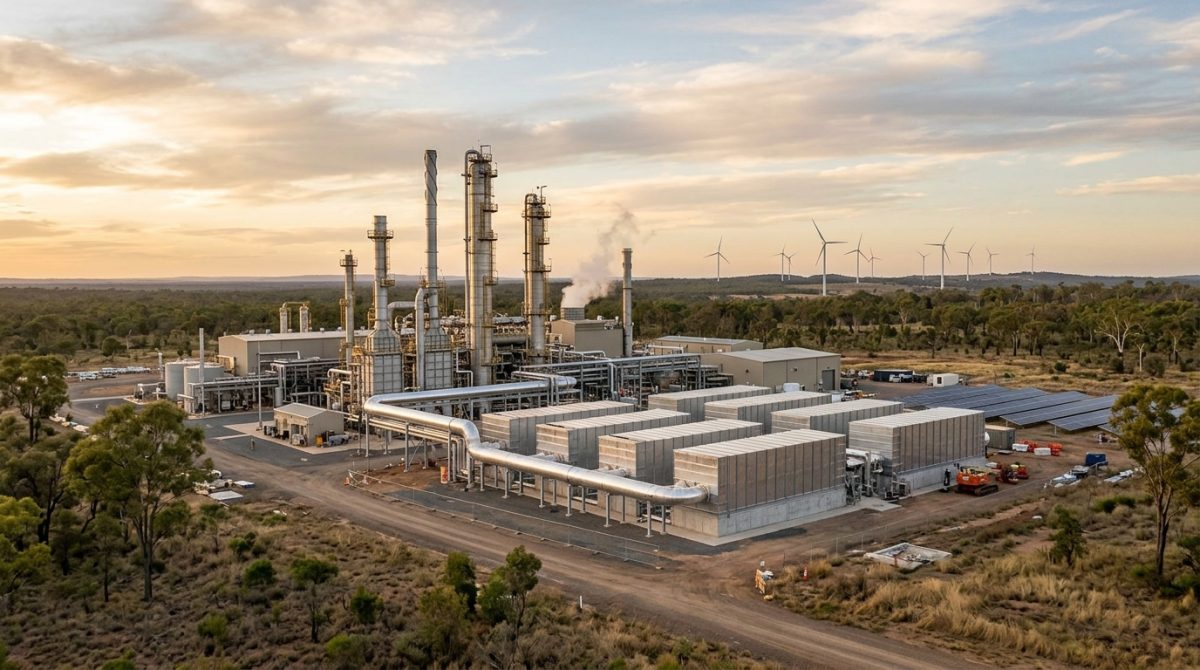
Rondo Energy and Rio Tinto have officially launched the front-end engineering and design phase for a major thermal energy storage project at the Yarwun alumina refinery in Gladstone, Queensland. The initiative features a 30MW and 360MWh Rondo Heat Battery designed to store renewable energy as high-temperature heat within refractory bricks to support continuous industrial operations.
The project addresses the challenge of matching intermittent renewable energy generation with the constant demand for heat in industrial processes. By utilizing surplus solar electricity during peak production hours, the system converts low-cost power into continuous steam. This approach allows the refinery to maintain 24/7 operations while reducing reliance on fossil fuels, marking a significant step in decarbonizing the alumina sector.
Financial backing for the project is provided by the Australian Renewable Energy Agency (ARENA). The agency has committed an initial $3.6 million to fund the current engineering and design stage. Following a successful demonstration study, ARENA has pledged up to $38 million for the full deployment of the technology, with an additional $33.3 million in conditional contingency support available if necessary.
If the project proceeds as planned, it will represent one of the first large-scale global demonstrations of thermal energy storage for industrial process heat and a world-first application within the alumina industry. Rondo Energy’s Australian head, Dr. Kira Rundel, noted that the technology enables manufacturers to leverage low-cost electricity to meet round-the-clock heat requirements without raising energy costs.
Rio Tinto Pacific operations managing director Armando Torres emphasized the technical complexity of replacing fossil fuels in alumina refining, particularly regarding the generation of high-pressure steam. He stated that the current study is essential for evaluating whether thermal energy storage offers a viable and economic alternative to traditional fuel sources for the Yarwun facility.