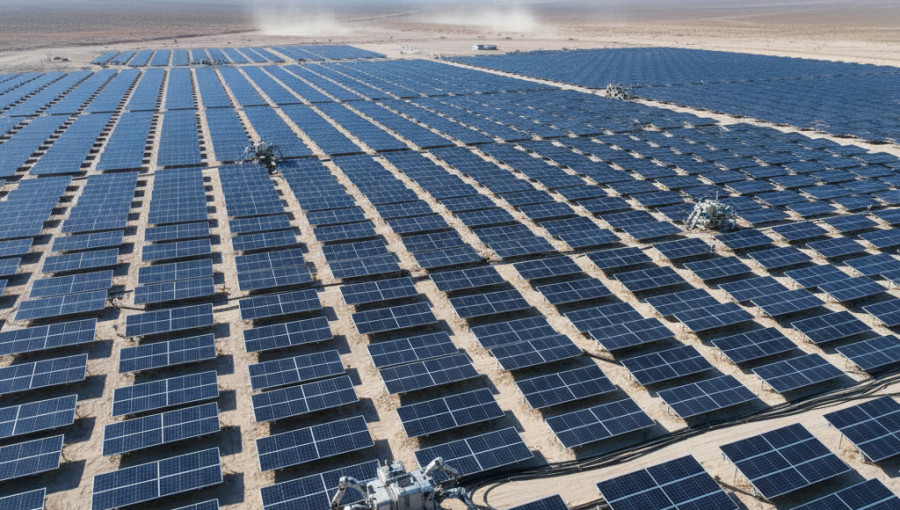
Qcells Plans Gigawatt Scale Factory For Next Generation Tandem Solar Panels
The company aims to commercialize perovskite-silicon tandem technology by 2029 to boost solar efficiency beyond current industry standards.
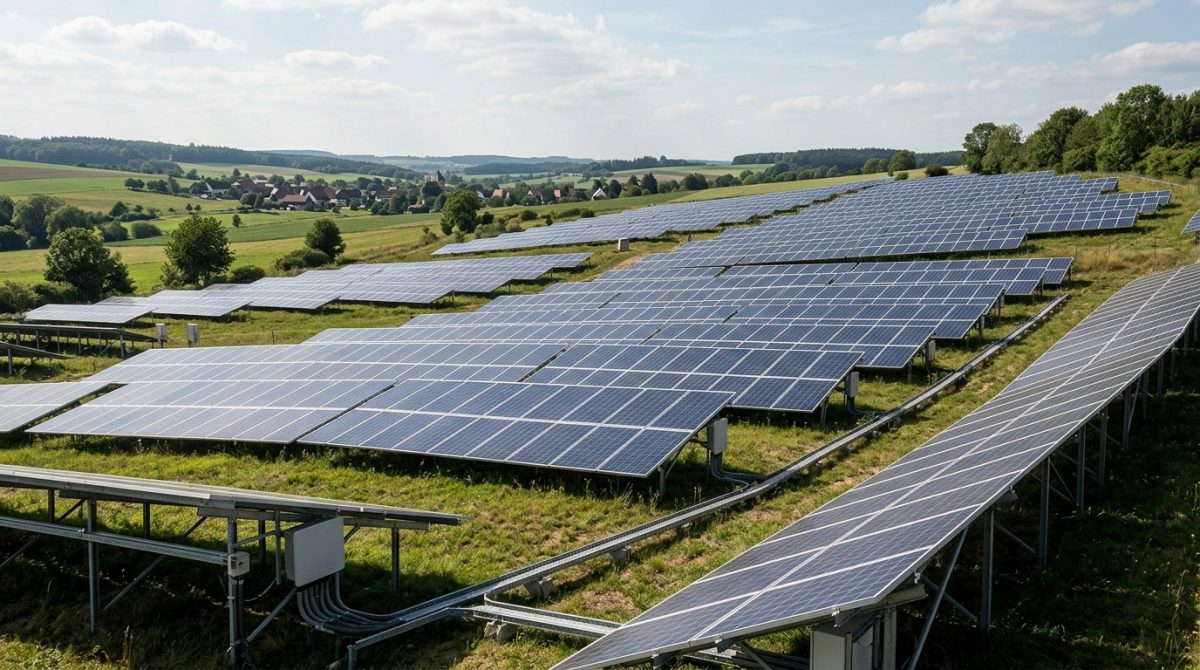
Solar manufacturer Qcells is preparing to launch a gigawatt-scale factory for tandem perovskite solar panels by 2029. By layering perovskite crystals over traditional silicon cells, the company aims to significantly increase energy conversion efficiency. While tandem technology has shown high performance in laboratory settings, Qcells is now focused on proving the long-term durability required for commercial viability and mass production.
Qcells, a subsidiary of South Korea’s Hanwha, has been developing tandem technology since 2016. The company currently operates a 40-megawatt pilot line in South Korea that produces full-size tandem panels. In 2024, an independent body verified a 28.6% efficiency rate for a Qcells tandem cell, a notable improvement over the approximately 24% efficiency typical of current high-performance silicon panels. The company recently announced that its panels passed quality testing standards set by UL and the International Electrotechnical Commission.
The manufacturer is positioning itself against smaller startups by leveraging its existing experience in large-scale solar production. According to Global Chief Technology Officer Danielle Merfeld, the company is currently testing tandem panels in the field and sharing them with potential customers to build confidence in the technology. Qcells has not yet finalized the location for its proposed gigawatt-scale facility, though it noted that its existing factory in Cartersville, Georgia, was designed to allow for future upgrades to tandem fabrication.
The company emphasized that supportive industrial policy will influence where the new factory is built. Qcells has previously advocated for domestic manufacturing incentives and trade protections to strengthen the solar industry. By focusing on commercial scale rather than venture-backed development, the company intends to demonstrate that established corporations can successfully bring complex energy innovations to the global market.