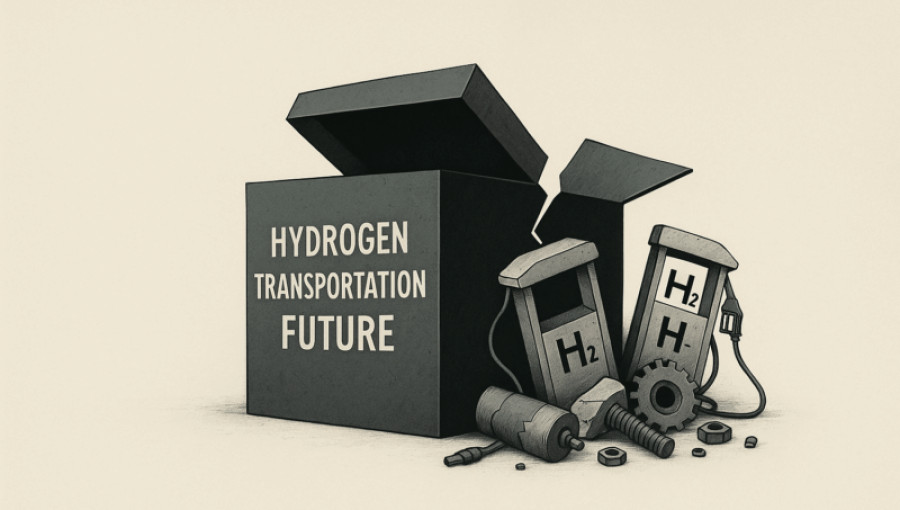
Pennsylvania Hydrogen Hubs Face Uncertain Future Amid Federal Policy Shifts
The Mid Atlantic Regional Hydrogen Hub and the Appalachian Hydrogen Hub struggle as federal support wavers and project partners pivot toward data center investments.
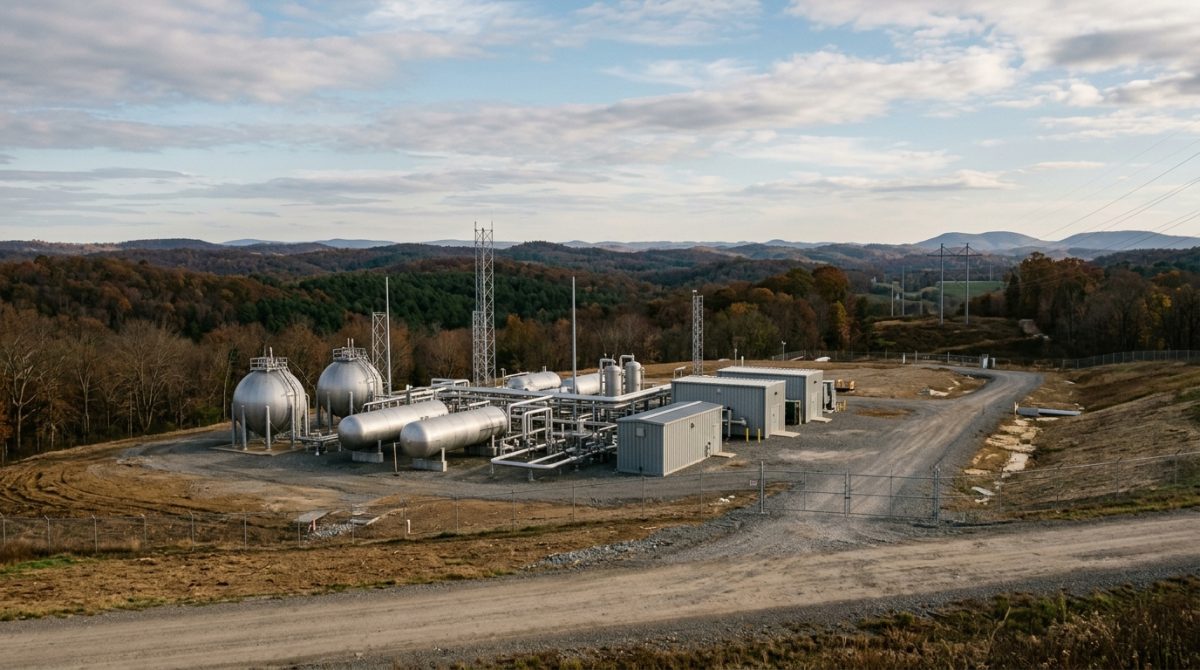
Three years after the federal government announced $7 billion in funding for seven national hydrogen hubs, Pennsylvania's two designated projects, the Mid Atlantic Regional Hydrogen Hub (MACH2) and the Appalachian Hydrogen Hub (ARCH2), face significant uncertainty. These hubs were intended to connect producers and users across several states to advance hydrogen production for industries like shipping and steel manufacturing.
The MACH2 project, which received a $750 million Department of Energy award, aimed to produce green hydrogen and create over 20,000 jobs in the Delaware Valley. Meanwhile, ARCH2 was slated for $925 million to manufacture blue hydrogen using carbon capture technology, primarily serving Western Pennsylvania's steel industry. However, momentum for both projects has stalled under the current administration, with ARCH2 partners reportedly distancing themselves from the initiative.
Industry experts and community groups note that federal commitment to the hubs remains unclear. While MACH2 CEO Manny Cintron stated that the hub's award remains active, he acknowledged that partners are proceeding cautiously due to budget uncertainty. The Department of Energy has not provided further clarity, and the administration's recent budget requests have proposed cancelling unobligated funding for clean hydrogen programs.
The projects also face technical and economic hurdles, including the high cost of green hydrogen production and the expiration of key tax credits. The 45V tax credit, which provides subsidies for clean hydrogen, now has a truncated timeline with a December 31, 2027, deadline for projects to begin work. Additionally, the development of necessary infrastructure, such as offshore wind for green hydrogen, has faced setbacks, including the cancellation of grid connection plans in New Jersey.
As these challenges mount, many former partners of the hydrogen hubs are shifting their focus toward gas-powered data centers. Analysts suggest that without stronger demand-side incentives, such as support for green ammonia production, the domestic market for clean hydrogen remains difficult to establish. Consequently, some industry observers believe the hubs may not move forward as originally planned.