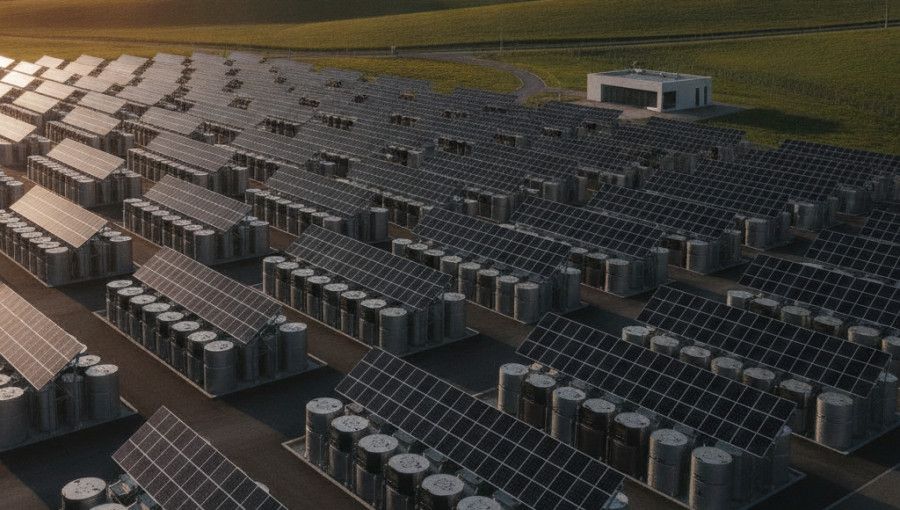
Norway Officially Surpasses One Gigawatt Of Installed Solar Capacity

Norway has officially surpassed 1 GW of installed solar capacity, reaching 1,003 MW by mid-September according to the national grid database, Elhub. This milestone confirms that solar energy is becoming a permanent, albeit small, component of the nation’s power mix. While the country has reached this threshold, annual deployment is currently slowing, with 2026 expected to see the lowest installation figures since 2021. Experts suggest that reaching higher annual growth will require a significant shift toward large-scale solar parks and the revitalization of the residential rooftop market through improved policy incentives and power-sharing regulations.
The milestone was confirmed by Elhub, which tracks metered data from Norwegian grid companies. While the Norwegian Water Resources and Energy Directorate (NVE) reported 964 MW at the end of July, the discrepancy between the two figures is attributed to different processing timelines. Elhub provides daily updates, whereas the NVE dashboard updates monthly. Industry experts advise using the NVE as the official reference, noting that its data will likely reflect the 1 GW milestone by the end of the year if current annual growth trends of 80 to 100 MW continue.
Solar energy is viewed as a natural complement to Norway’s hydropower-dominated grid, which accounts for approximately 90% of the country's electricity. During dry years with low rainfall, solar production often increases, helping to preserve reservoir levels. As the solar sector expands, it is expected to enhance the efficiency of these reservoirs as seasonal storage, ultimately strengthening the security of the national power system. Despite this synergy, Norway lags behind its Scandinavian neighbors, Denmark and Sweden, both of which reached the 1 GW mark years ago and have since experienced record-breaking deployment.
To reach a target of 1 GW of new capacity annually, Norway must overcome significant hurdles in its large-scale and residential markets. Currently, the large-scale sector is in its infancy; as of May, only five of 16 licensed solar parks had been constructed, hindered by weak profitability and limited grid capacity. Experts emphasize that municipal approvals and licensing must accelerate to deliver 300 MW to 500 MW of new parks annually. Simultaneously, the residential market remains stagnant due to pricing structures that reduce financial incentives for homeowners. Future growth depends on potential policy changes, such as a guaranteed minimum price for exported solar power, which could determine whether the country reaches 1 GW of annual additions by 2030 or 2031.