New Platform Converts Freight Train Kinetic Energy Into Electricity
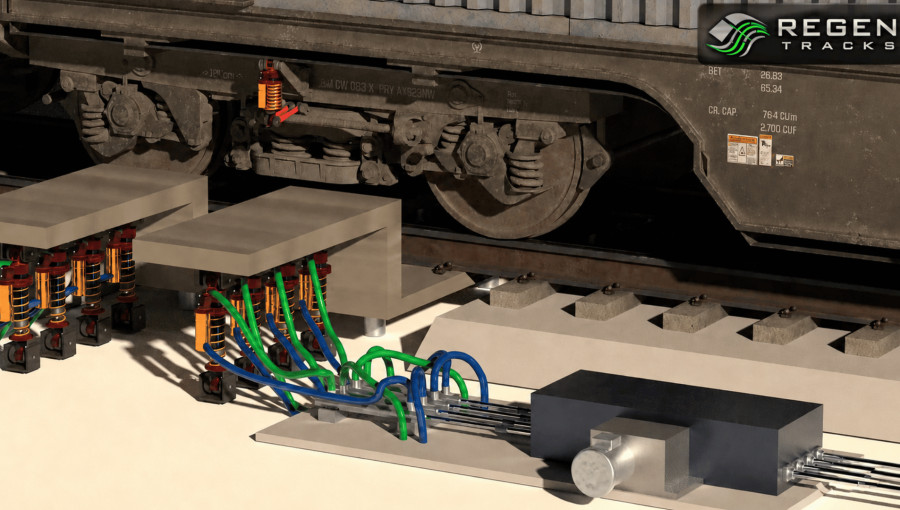
Regen Tracks has developed an innovative electro-hydraulic platform capable of transforming the kinetic energy produced by passing freight trains into functional electrical power. By capturing the mechanical forces and vibrations typically dissipated into the ground, this system offers a continuous method of energy generation that functions independently of regenerative braking. As global demand for electricity surges due to the expansion of artificial intelligence infrastructure, this technology provides a potential solution for generating localized power directly within existing rail corridors, effectively turning heavy transit routes into supplemental energy sources for industrial hubs and the broader electrical grid.
The technology functions by utilizing an electro-hydraulic system designed to harvest energy from the dynamic loads and momentum of heavy trains as they travel along active tracks. Unlike traditional regenerative braking, which only recovers energy during deceleration, this platform gathers power consistently as trains move across the rail network. A working prototype has already been established to validate the engineering concept, demonstrating that the mechanical energy generated by railcars can be successfully converted into a usable electrical output.
This development arrives at a critical time as data centers and high-density computing facilities face increasing pressure to secure reliable, large-scale power. Because freight trains traverse thousands of miles of track through major industrial regions daily, these rail corridors represent a significant, untapped opportunity for decentralized energy production. The electricity generated could be utilized to support rail infrastructure, feed into local energy storage systems, or provide supplemental power to energy-intensive facilities located near logistics hubs.
Regen Tracks is currently focused on refining its prototype and conducting further engineering validation. Moving forward, the company intends to collaborate with rail infrastructure partners and transportation stakeholders to prepare for wider deployment. Beyond its initial application for freight rail, the company is also investigating the potential to adapt this energy-conversion technology for other transportation systems, aiming to maximize the utility of kinetic energy harvesting across various transit networks.