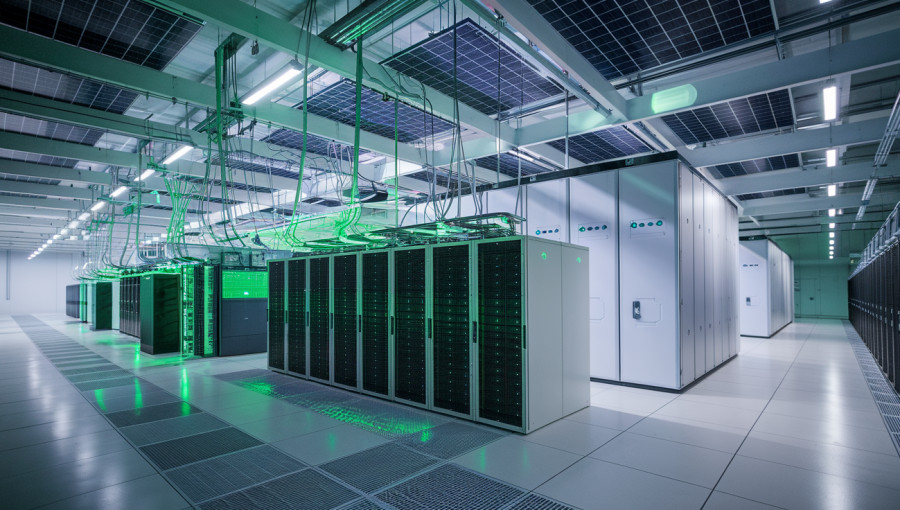
New Battery Technology Aims to Stabilize Data Center Grid Connections
Startup ON.Energy is deploying centralized lithium-ion systems to replace traditional backup power and prevent sudden, large-scale load drops on the electrical grid.
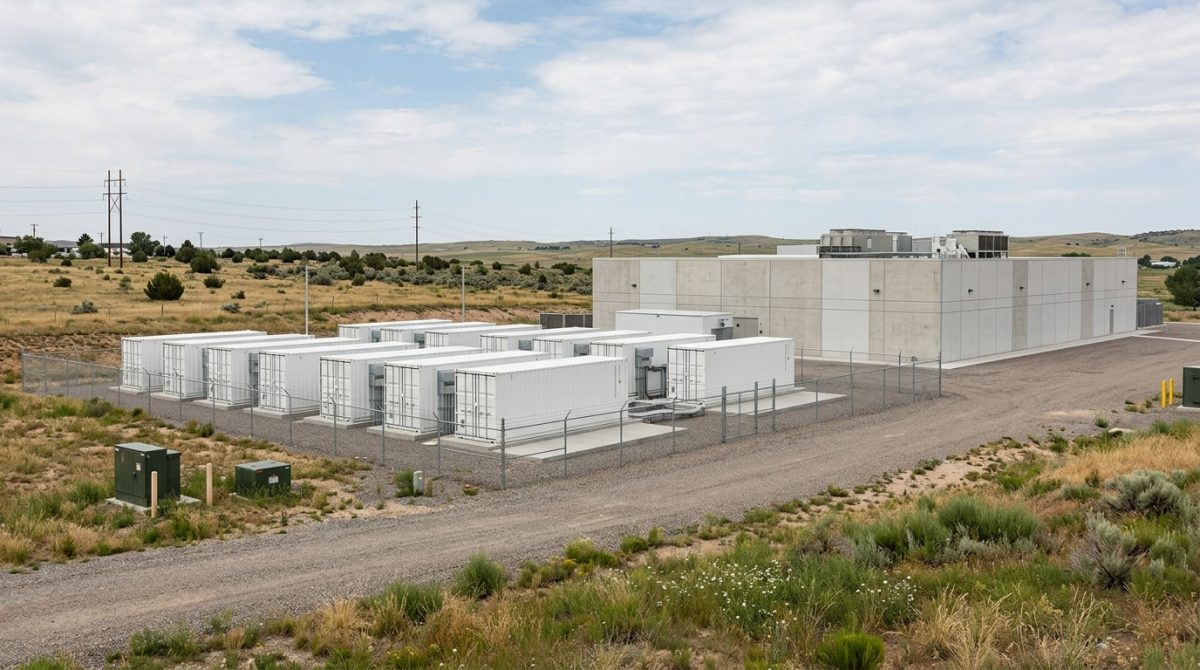
Data centers are increasingly adopting advanced lithium-ion battery systems to serve as both uninterruptible power supplies and grid-stabilization tools. By positioning these batteries between the utility grid and the data center, operators can prevent sudden power disruptions caused by rapid fluctuations in computing demand. This technology offers a cleaner alternative to traditional diesel backup generators and helps mitigate the risk of massive, unexpected load shedding.
The startup ON.Energy has developed an AI-driven uninterruptible power supply system that functions as a hybrid between a grid-scale battery energy storage system and a traditional backup unit. According to CEO Alan Cooper, the system uses patented double-conversion technology to electrically decouple the data center load from the grid. This allows the facility to maintain consistent power quality while providing a predictable load to utility operators.
The need for such technology has grown as data centers become large enough to threaten grid stability. Grid operators like PJM Interconnection have observed multi-gigawatt drops in demand when data centers disconnect during grid disturbances. To address these risks, regulators in Texas and the North American Electric Reliability Corp. have begun implementing new requirements for large computational loads to ensure they remain connected during voltage fluctuations.
Following successful trials at a national grid testing facility, ON.Energy has secured a 5-gigawatt order from the data center developer Crusoe. These centralized battery systems are designed to be integrated into new data center construction projects. Beyond providing emergency backup, the batteries can be used to manage peak power demand and store excess renewable energy, offering operators a way to reduce grid infrastructure costs.
Other companies are also developing similar battery solutions for the data center sector. Shahil Shah, a chief engineer overseeing grid simulator testing, noted that these technologies are essential for ensuring that large data center loads do not negatively impact grid reliability. As data centers continue to expand, these battery systems provide a mechanism for operators to offer the flexibility required by modern power systems.