Mercedes-Benz Introduces Bidirectional Charging Services For Electric Vehicles In Germany
The automaker is partnering with The Mobility House to allow vehicle-to-grid participation for select electric models.
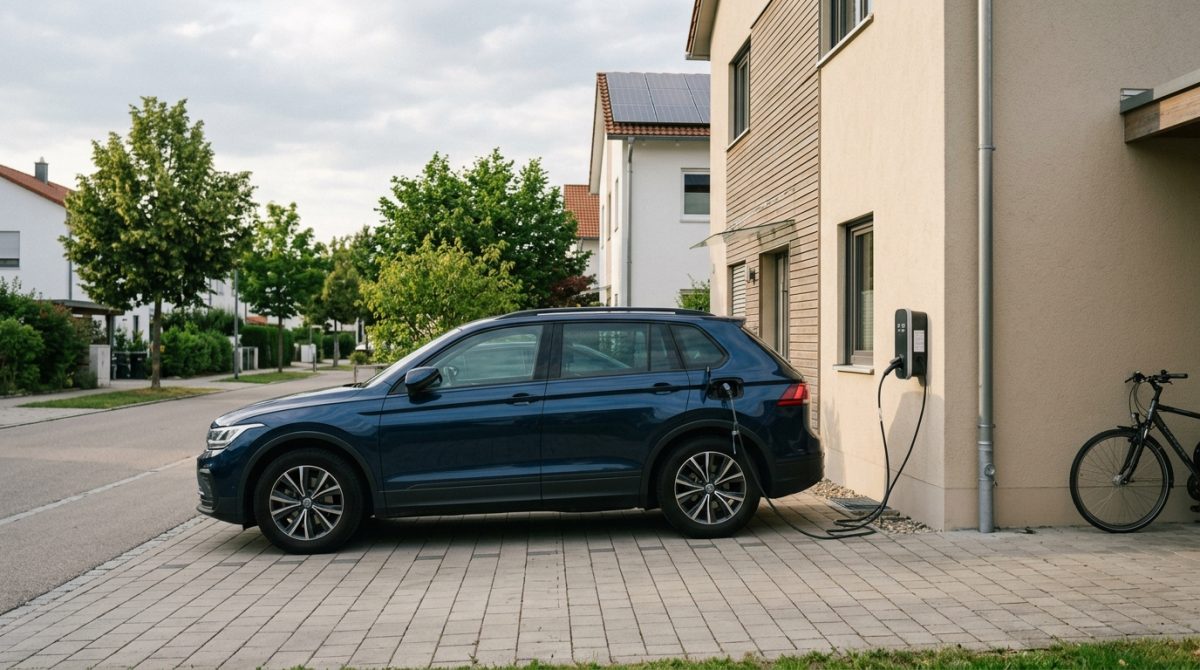
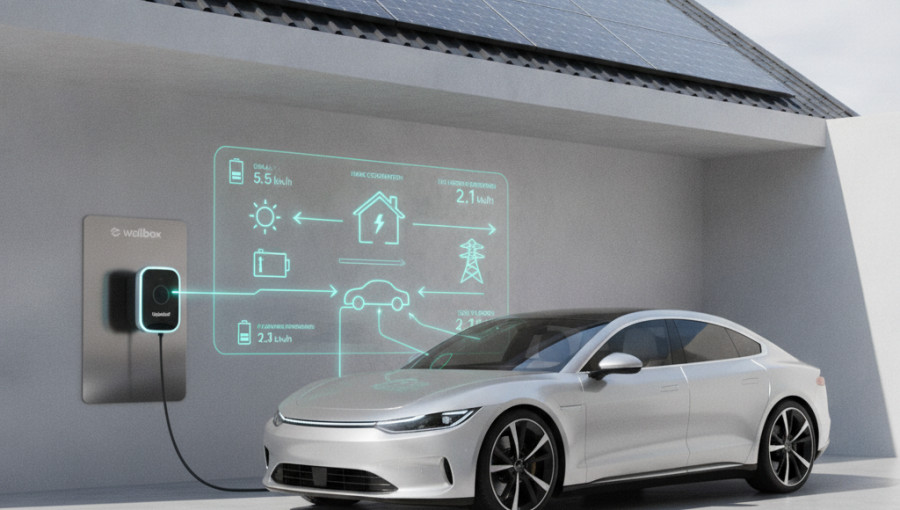
Mercedes-Benz has launched a bidirectional charging service for electric vehicle customers in Germany, joining other manufacturers like BMW, Ford, and Audi in utilizing vehicle-to-grid technology. Through a collaboration with the Munich-based service provider The Mobility House, the automaker allows vehicle batteries to participate in the electricity market, offering customers a payment of €0.1175 per hour while the vehicle remains connected to the wallbox.
The service package, branded as MB.Charge Home Pro Intelligent, features an 11 kW bidirectional DC wallbox called ChargeLine BiDi. This hardware was developed by The Mobility House in cooperation with charging technology specialist EcoG and manufacturer Zhejiang EV-Tech, utilizing nonproprietary technology to support interoperability. The unit is priced at €2,990, though the first 500 customers can access a €1,000 discount until the end of March 2027, alongside a €250 public charging voucher.
Currently, the offering is restricted to households without rooftop solar installations to avoid potential conflicts with feed-in tariff payments under the German Renewable Energy Act. This limitation is expected to be resolved following the MiSpeL decision by the German Federal Network Agency, with grid operators required to implement new rules by the end of September 2027.
The bidirectional capability is initially available for the all-electric Mercedes-Benz GLC and the new C-Class. The company intends to expand the feature to further models, including the VLE, GLA, EQS, CLA, CLA Shooting Brake, and GLB, with activation provided via over-the-air updates. Mercedes-Benz also plans to introduce its vehicle-to-grid services to additional countries in the future.
Jörg Bartels, head of powertrain systems at Mercedes-Benz AG, described the move as a logical step for electric mobility. He noted that the technology transforms the vehicle from a consumer into an active component of the energy system, allowing for more efficient use of renewable energy and providing value to both customers and energy infrastructure.