Lithium Mining Projects Face Water Scarcity Challenges In California Imperial Valley
Proposed lithium extraction projects in the arid Imperial Valley face significant water supply concerns and community opposition regarding environmental and economic impacts.
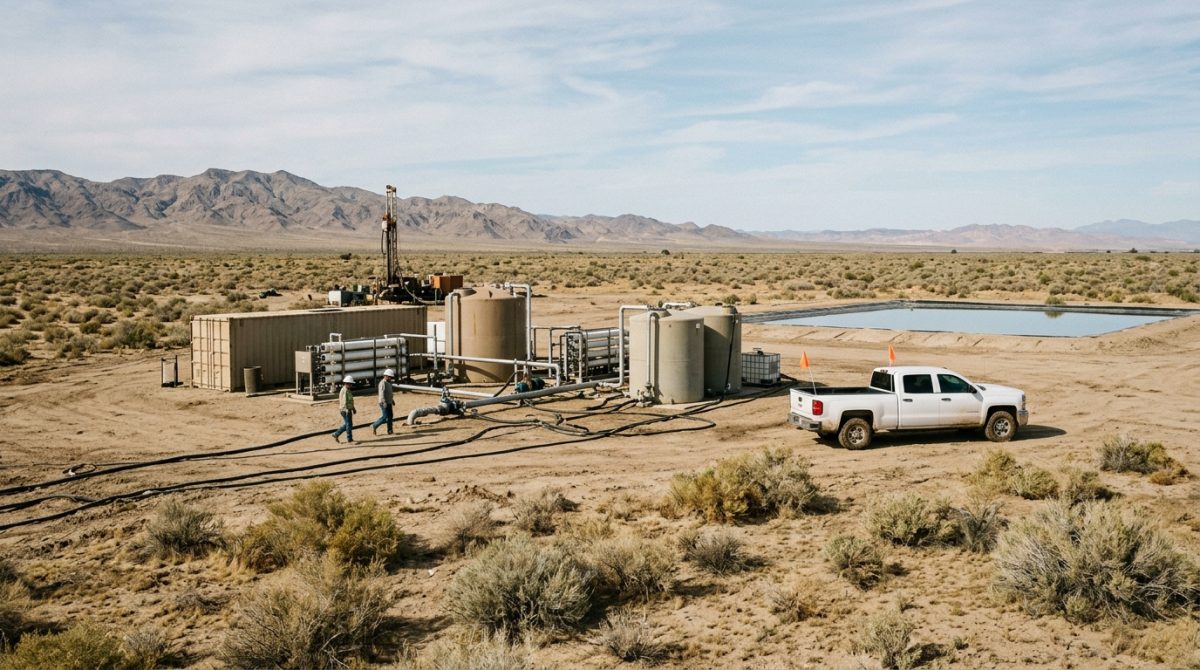
A surge in lithium mining projects across the United States is raising concerns about water security in the arid Southwest, particularly in California’s Imperial Valley. As companies race to extract lithium from brine beneath the Salton Sea, local residents and environmental advocates are questioning the sustainability of these developments, which require significant water resources in a region already facing severe drought and climate-driven water shortages.
Imperial County has approved two mines and proposed a large-scale development known as Lithium Valley, which aims to utilize direct lithium extraction (DLE). While developers and local officials promote the project as a clean energy hub that will create jobs and generate billions of dollars, critics argue that the technology remains unproven at scale and may consume excessive amounts of water. An analysis by Columbia Journalism Investigations and Inside Climate News found that nearly two-thirds of proposed U.S. lithium mines are located in vulnerable communities, with Imperial County facing some of the highest risks.
The region’s water usage is governed by century-old legal frameworks, and the Imperial Irrigation District (IID) manages the area's share of the Colorado River. As federal agencies mandate water reductions due to record-low reservoir levels, the lithium industry’s demand for water creates a conflict with agricultural needs and the survival of the Salton Sea. A recent court ruling challenged the county’s approval of the Hell’s Kitchen project, citing insufficient evidence regarding water availability and the potential for increased toxic dust from the shrinking lake.
Community activists, including those from The Becoming Project, express concern that the promised economic benefits will not reach local residents, who already suffer from high rates of childhood asthma and economic instability. Although the state has implemented a lithium tax to fund community improvements, critics argue the compensation is inadequate to address long-term infrastructure and environmental needs. As the federal government fast-tracks mining permits, the tension between the national priority for critical minerals and the protection of local water resources remains a central point of contention.