Illegal Export Of Discarded Solar Panels Threatens Industry Reputation
Jan Clyncke of PV CYCLE warns that unregulated shipments of old solar equipment to Africa and Asia risk creating a major image crisis for the sector.
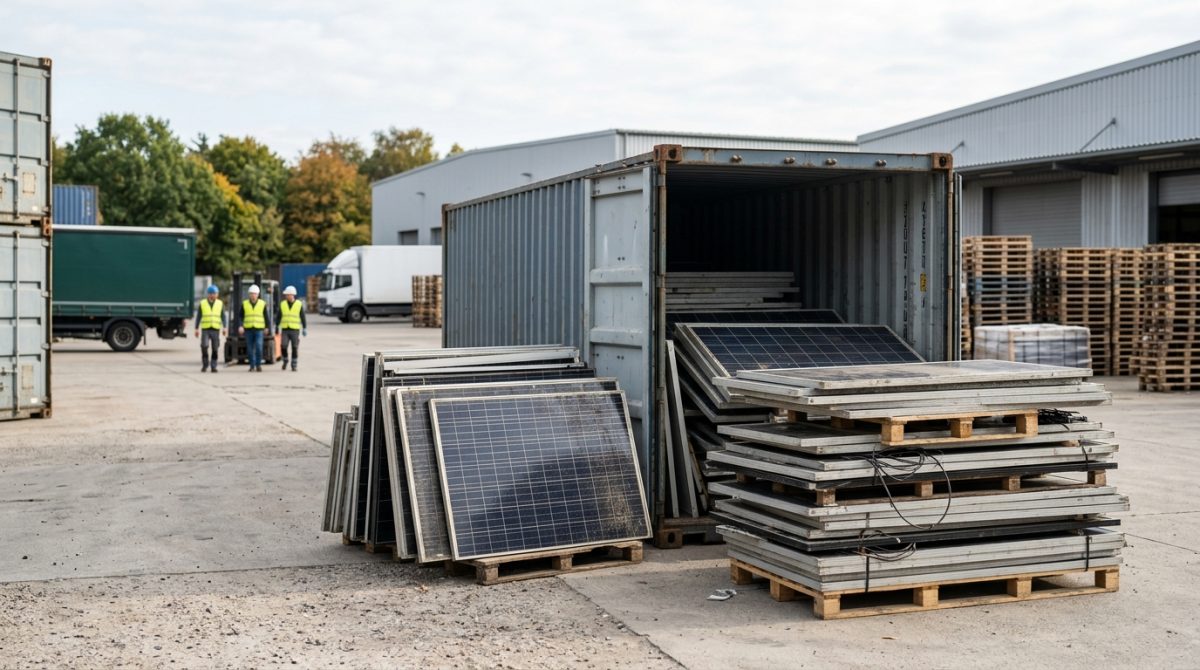
The illegal export of decommissioned solar panels to Africa and Asia is a growing concern for the solar industry, according to Jan Clyncke, director of PV CYCLE. Clyncke warns that the practice, which often involves shipping waste under the guise of reuse, could severely damage the reputation of the entire photovoltaic sector if left unaddressed.
While reusing electronics is common, solar panels are power generators that require safe and functional handling. Clyncke questions the value of repurposing low-capacity panels from 2008 in regions lacking recycling infrastructure. Estimates from the research community suggest that the volume of European solar waste exported outside the EU has reached approximately 1 gigawatt-peak, equivalent to 70,000 tonnes, though accurate measurement remains difficult due to the clandestine nature of the trade.
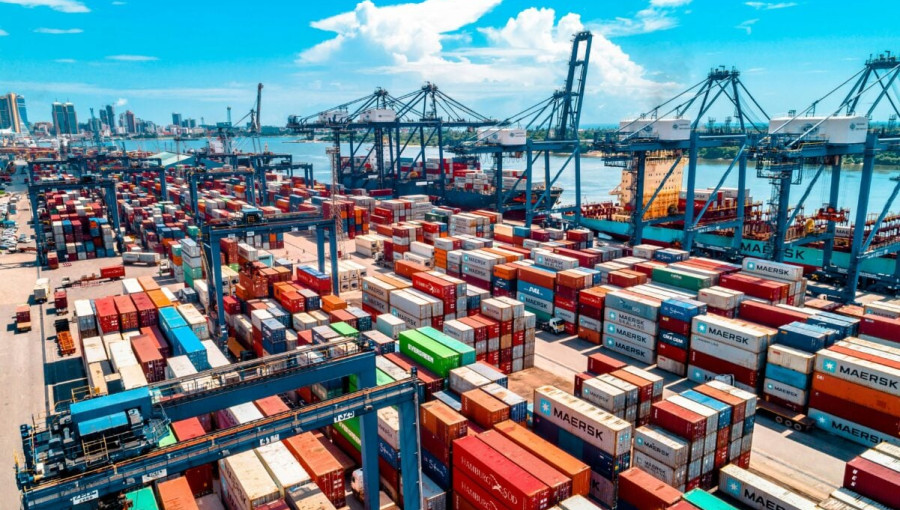
Black market actors often operate without registration, frequently utilizing informal payment systems like Hawala to avoid detection. While customs authorities in ports such as Rotterdam, Hamburg, and Marseille occasionally intercept containers, the issue is often secondary to other priorities like drug trafficking. However, some positive cooperation has emerged, such as the Antwerp customs authority requesting assistance in destroying a seized shipment of panels.
Much of the exported material originates from large-scale solar parks in countries like Germany and Italy, where early installations are now being dismantled for repowering. While many panels remain in good condition, others are defective. Clyncke notes that some owners, particularly when dealing with insurance claims, may be tempted to sell decommissioned equipment to buyers who ask no questions, effectively turning a potential disposal cost into a profit.
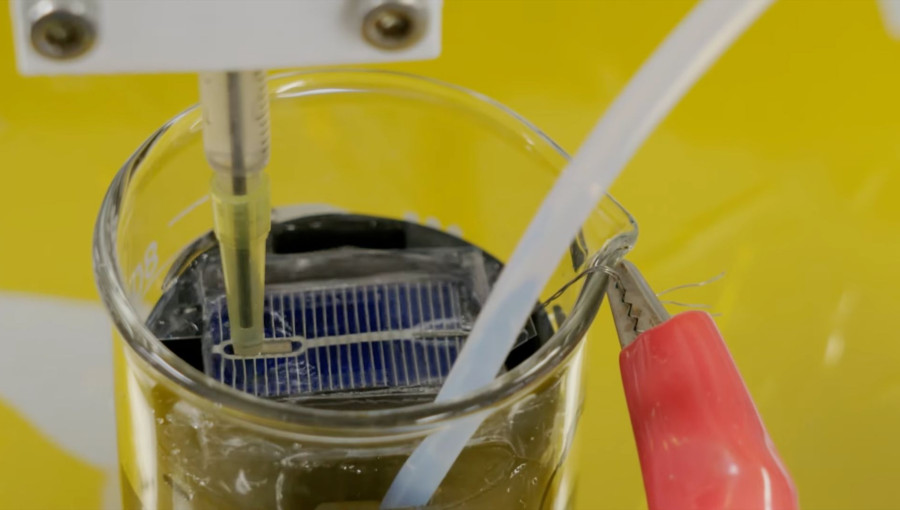
To combat this, Clyncke advocates for strict adherence to three requirements from the Basel Convention: providing a contract or invoice, supplying a test report confirming functionality and safety, and obtaining written confirmation from the carrier that the shipment is not waste. While a standardized test method for solar panels is expected by early 2027, he suggests that current best practices include reviewing performance reports and on-site testing of 25 percent of the panels.
The impact of these exports is already visible in places like Accra, Ghana, where piles of electronic waste include both new and broken solar panels. Clyncke warns that if international media outlets were to document these sites, the solar industry would face a significant public relations crisis. He urges market participants to demand full track-and-trace documentation and to be critical of buyers who cannot provide transparent information regarding the final destination of the equipment.