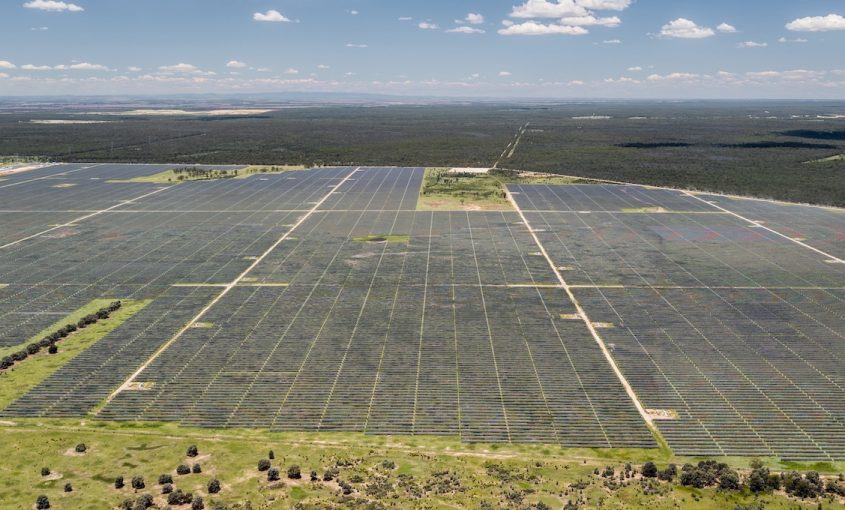
Grid Strength Challenges Complicate Renewable Energy Transition In Australia
Investors and engineers warn that infrastructure limitations and policy uncertainty are hindering the development of new renewable energy projects.
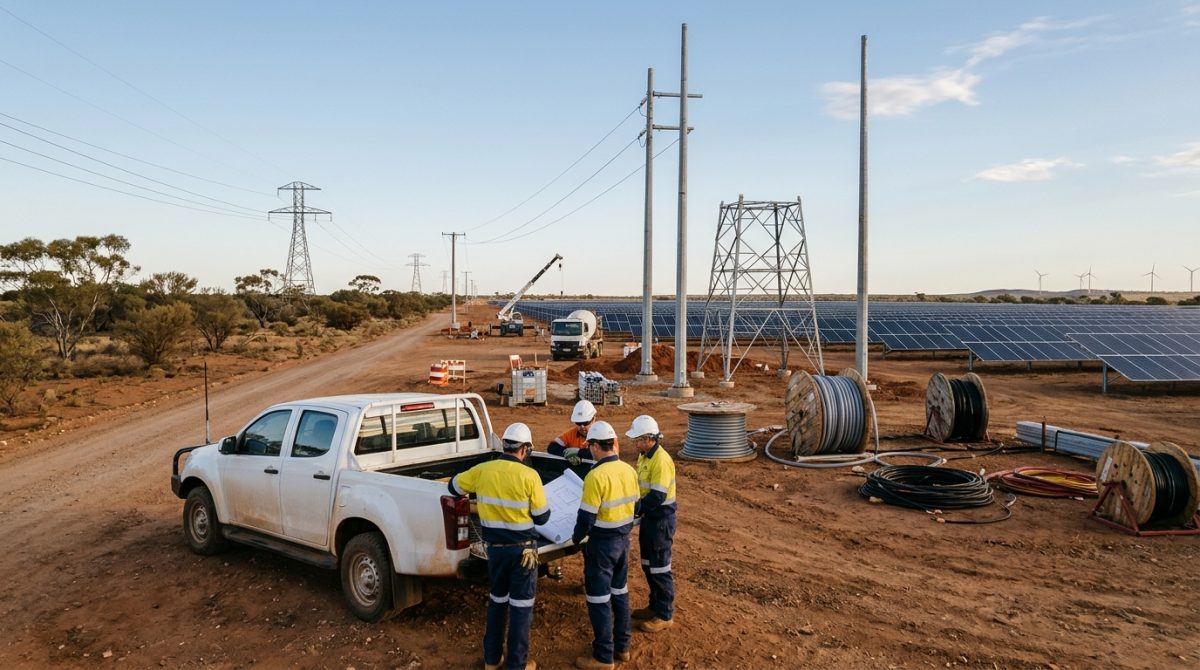
Major investors have raised concerns that ongoing debates regarding climate policy are creating significant obstacles for renewable energy projects in Australia. These warnings follow reports that companies such as AGL Energy are struggling with the poor economics of new developments, driven by rising costs that are not currently matched by energy prices. As ageing coal assets reach the end of their operational lives, these challenges threaten to impede the transition to cleaner power sources.
While political discussions often focus on concepts like baseload power, engineering experts argue that the primary hurdle for the energy transition is the lack of grid strength. The southeastern Australian grid is described as a long, radial construction consisting of approximately 3000 nodes. Unlike the meshed synchronous grids found in Western Europe, this radial structure presents unique engineering difficulties in maintaining stable voltages, phase angles, and frequency across the network.
The inherent weakness of the grid limits power flow and impacts the stability of connected generators. As synchronous generation is replaced by inverter-based resources, the complexity of managing the system increases, though experts suggest this can be mitigated through the use of synchronous condensers. These technical limitations are a significant factor in the current slowdown of new generation connections and the integration of high-demand loads such as data centres.
The Australian Energy Market Operator has implemented a digital twin to test the stability of the grid and manage the integration of renewable energy. Looking ahead, the transition will likely involve the deployment of wide-area control systems that use physics-informed neural network artificial intelligence to assist in grid operations. This experimental approach is being closely monitored by international bodies, including the Electric Power Research Institute in the United States, the Energy Systems Integration Group, and the Global Power System Transition Consortium in Europe.
Addressing these engineering hurdles requires extensive coordination between transmission companies across multiple state jurisdictions. Experts note that the absence of a top-level, coordinated national grid design remains a persistent issue, with rising transmission costs for voltage augmentation further complicating the transition. The upcoming CIGRE Power System Technical Performance Workshop in Melbourne is set to address these critical infrastructure challenges.