Google Partners With Stegra To Support Green Steel Production

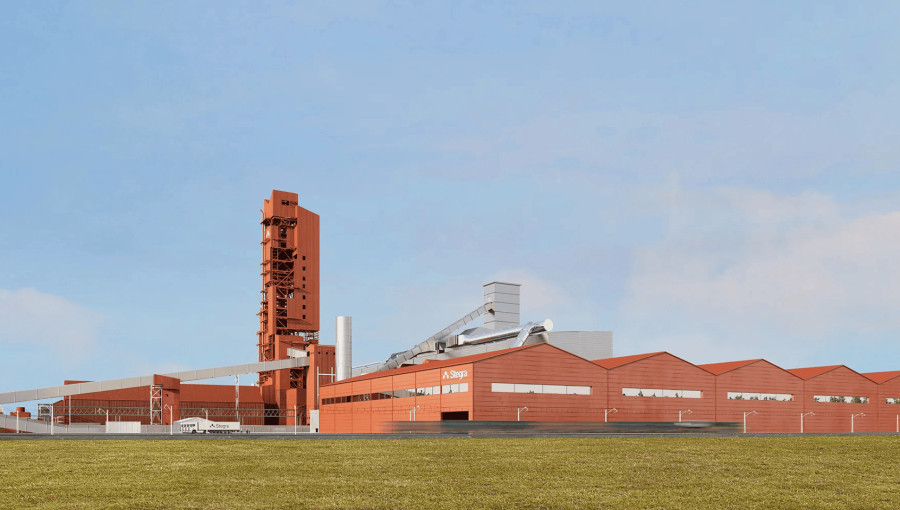
Google has entered into a strategic partnership with the Swedish firm Stegra to support the construction of a pioneering green-steel mill. As the tech giant faces an 18% increase in annual greenhouse gas emissions driven by data center expansion, it is turning to innovative manufacturing to curb its environmental footprint. Rather than purchasing the physical metal, Google will acquire environmental attribute certificates linked to Stegra’s hydrogen-based production process. This financial support helps offset the high costs of sustainable steelmaking, assisting Stegra in scaling its operations while allowing Google to count the associated emissions reductions toward its sustainability goals.
Stegra’s facility, located in Boden, Sweden, represents a significant shift away from traditional coal-fueled ironmaking. By utilizing green hydrogen produced from renewable electricity and water, the plant aims to reduce carbon dioxide emissions from steel production by up to 95%. The process involves converting iron ore into iron using hydrogen, followed by transformation into steel via electric arc furnaces powered by renewable energy. This approach addresses the massive carbon output of the steel industry, which currently accounts for approximately 9% of global human-caused carbon dioxide emissions.
The agreement covers certificates for up to 91,000 metric tons of steel during the facility's first year of production. While Stegra is still finalizing its project timeline following recent financial challenges, the plant is expected to eventually reach an annual capacity of 5 million metric tons. This model of trading environmental certificates is gaining traction as a way to bridge the gap between high-cost, low-carbon technologies and the market demand for sustainable materials. By providing early financial backing, companies like Google and Microsoft are helping to make these multibillion-dollar industrial projects bankable.
Industry experts view these certificates as a vital mechanism for scaling decarbonization in heavy industry. Organizations such as RMI are currently working to formalize these arrangements into a "book and claim" system, which would establish shared standards for verifying and tracking emissions reductions. This effort includes collaboration with other innovators like Electra, which is developing electrochemical ironmaking technology. As these frameworks mature, proponents hope to create a more robust marketplace that encourages investment in clean production methods, ultimately helping heavy industries compete with cheaper, traditional coal-based alternatives while meeting global climate targets.