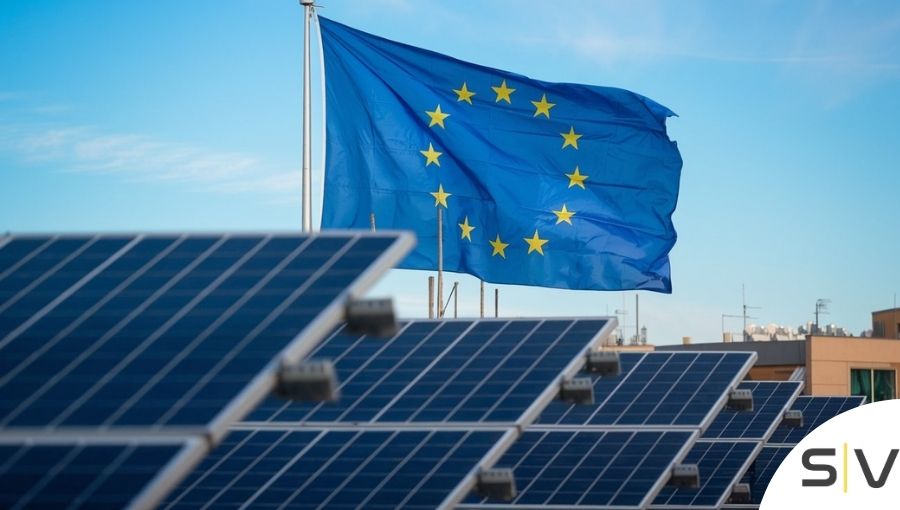
Global Solar Power Generation Surpasses Nuclear Output For First Time
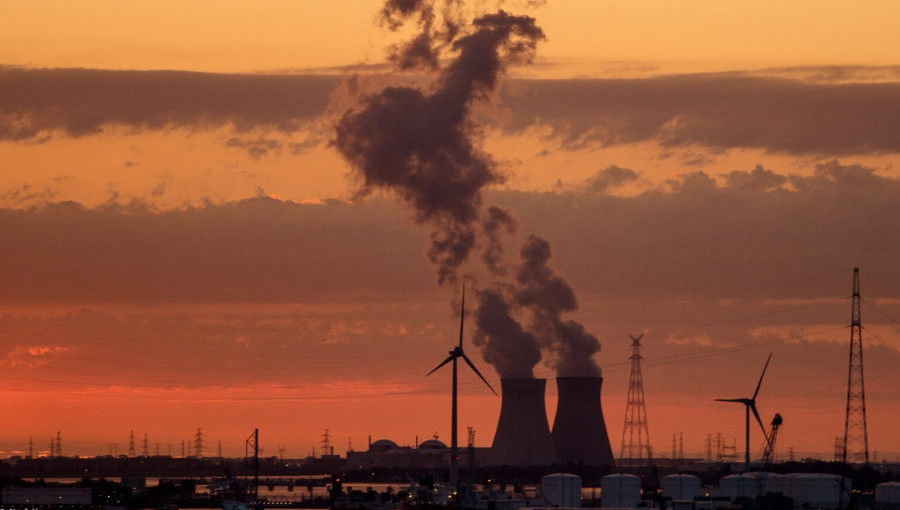
For the first time in history, global monthly solar power generation has surpassed nuclear output, a milestone reached in April 2025. According to the World Nuclear Industry Status Report 2026, wind and solar power have both individually outperformed nuclear energy on a monthly basis throughout much of 2025 and 2026. While solar capacity surged by 27% to reach 2,383 GW, the nuclear sector remained largely stagnant. This shift is bolstered by the rapid deployment of battery energy storage systems, which are increasingly essential for managing the variable output of renewable energy sources on the global power grid.
The report highlights a widening gap between the rapid expansion of renewables and the sluggish performance of the nuclear industry. While global solar generation jumped by 30% in 2025, the nuclear fleet saw only a marginal 1.1% increase in output, which was primarily driven by growth in China. Outside of China, nuclear generation actually declined. Furthermore, nuclear capacity has remained essentially flat for over 25 years. Financial instability is also affecting the sector, with some nuclear companies struggling to maintain market value and investor confidence due to a lack of tangible progress on the ground.
Nuclear energy’s share of global electricity production has fallen to 8.8%, the lowest level in 45 years and roughly half of its 1996 peak. The industry continues to face significant hurdles, including long construction timelines and frequent delays. Of the 16 reactors connected to the grid between 2023 and 2025, none were completed on schedule, with an average construction period of nearly 11 years. Most new nuclear activity is concentrated in China and Russia, while the rest of the world has recorded a net decline in the number of operating reactors over the last two decades.
The report also casts doubt on the commercial viability of small modular reactors (SMRs). Despite significant government funding and public support, the authors note that the promised benefits of SMRs—such as lower costs, simplified siting, and modular construction—have yet to materialize. Many proposed designs remain years away from commercial operation, and the industry continues to struggle with the economic challenges of scaling production. As grid-scale battery deployment accelerates, the report suggests that the combination of solar and storage will continue to play a dominant role in the evolving global energy landscape.