Global Energy Crisis Accelerates Long Term Renewable Transition

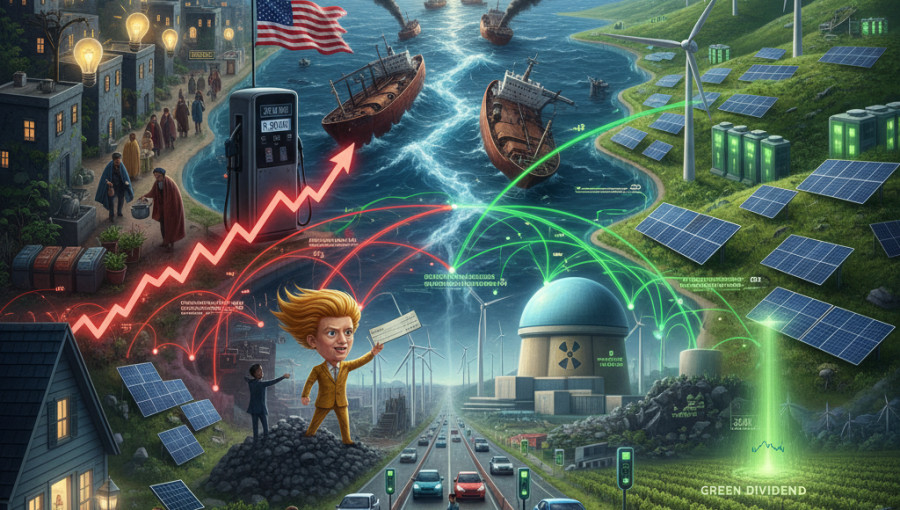
The conflict in Iran has triggered a paradoxical shift in global energy markets, simultaneously accelerating the adoption of clean energy while forcing a temporary resurgence in coal consumption. Following the disruption of oil and liquefied natural gas shipments through the Strait of Hormuz in February, soaring fossil fuel prices prompted a rapid pivot toward electric vehicles, nuclear power, and renewable energy. Although the International Energy Agency now projects a record rise in coal demand, the widespread transition to carbon-free technologies is expected to offset these emissions, potentially leading to a slight decline in global fossil-fuel output this year.
The surge in coal usage is largely a reactive measure as nations scramble to maintain energy security using existing infrastructure during an acute crisis. Because coal remains a primary driver of greenhouse gas emissions, this trend poses a significant challenge to climate goals. However, the shift toward cleaner alternatives appears more durable. As consumers and businesses invest in new solar installations, storage solutions, and electric vehicles, they are building long-term capacity that will outlast the current geopolitical volatility.
This dynamic is particularly evident in China, where a decline in oil consumption for transportation has led to an overall drop in emissions despite an uptick in coal use. With electric vehicles and plug-in hybrids now accounting for the majority of new car sales in China, and similar adoption records being set in markets ranging from Australia to Europe, the global appetite for oil is leveling off. While the reliance on coal serves as a stopgap for immediate energy needs, the structural transition to clean technology represents a permanent change in how the world powers its economy.