Germany Faces Growing Surplus Of Decommissioned Solar Module Waste

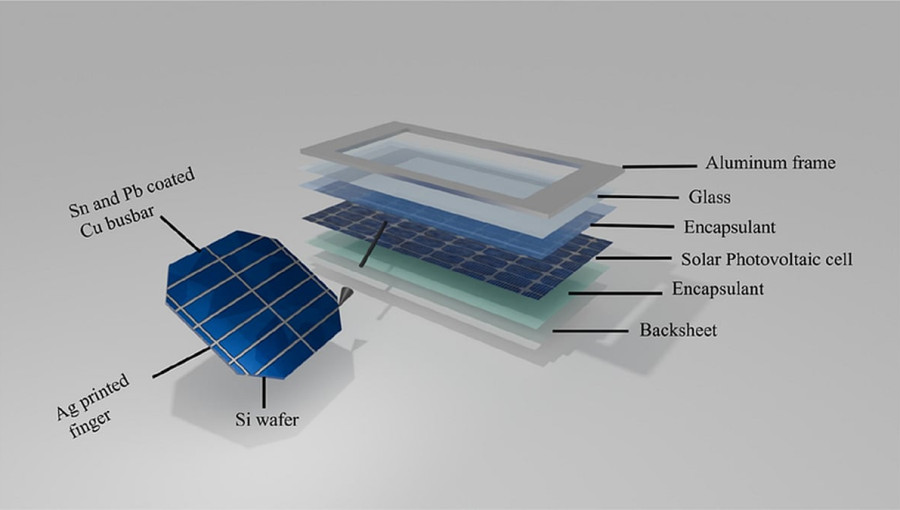
A new report from the Fraunhofer Center for Silicon Photovoltaics indicates that Germany faces a significant influx of photovoltaic module waste, with projections suggesting over 600,000 tonnes could accumulate by 2030. While the nation currently possesses a robust material stock of over 5 million metric tons of PV components—including valuable silver, aluminum, and copper—the actual volume of modules reaching recycling facilities remains lower than anticipated. Researchers emphasize that while industrial-scale recycling processes for crystalline silicon modules are well-established, future infrastructure expansion must be carefully balanced against actual return rates to prevent unnecessary overcapacity in the sector.
The study, commissioned by the German Mineral Resources Agency, highlights the substantial economic value embedded in existing solar installations, estimated at approximately €4.8 billion. Currently, recycling efforts for crystalline silicon modules achieve high recovery rates, with glass, aluminum, and copper being successfully reclaimed. Although silver is a critical and valuable component, its recovery requires specialized refining. Conversely, silicon is rarely recovered under current practices, and plastics are typically managed through thermal treatment. Thin-film modules, which contain materials like tellurium and indium, represent a much smaller portion of the total waste stream due to their limited market share.
Despite the projected rise in waste, there is a notable discrepancy between available recycling capacity and the volume of decommissioned modules. In 2024, Germany’s processing capacity for crystalline silicon modules exceeded 50,000 tonnes, yet only about 9,300 tonnes were actually processed. Experts attribute this gap to factors such as the export of used modules. Looking ahead, the report suggests that recycling capacity should grow incrementally, reaching 75,000 tonnes by 2027 and potentially 300,000 tonnes by 2040. To manage potential surges in decommissioned hardware, the authors recommend utilizing interim storage solutions to maintain a stable and efficient recycling ecosystem.