German Startup Revolta Receives Grant For Grid Charging Sodium Ion Battery
The project aims to provide residential energy storage for rental apartments that lack rooftop solar installations.
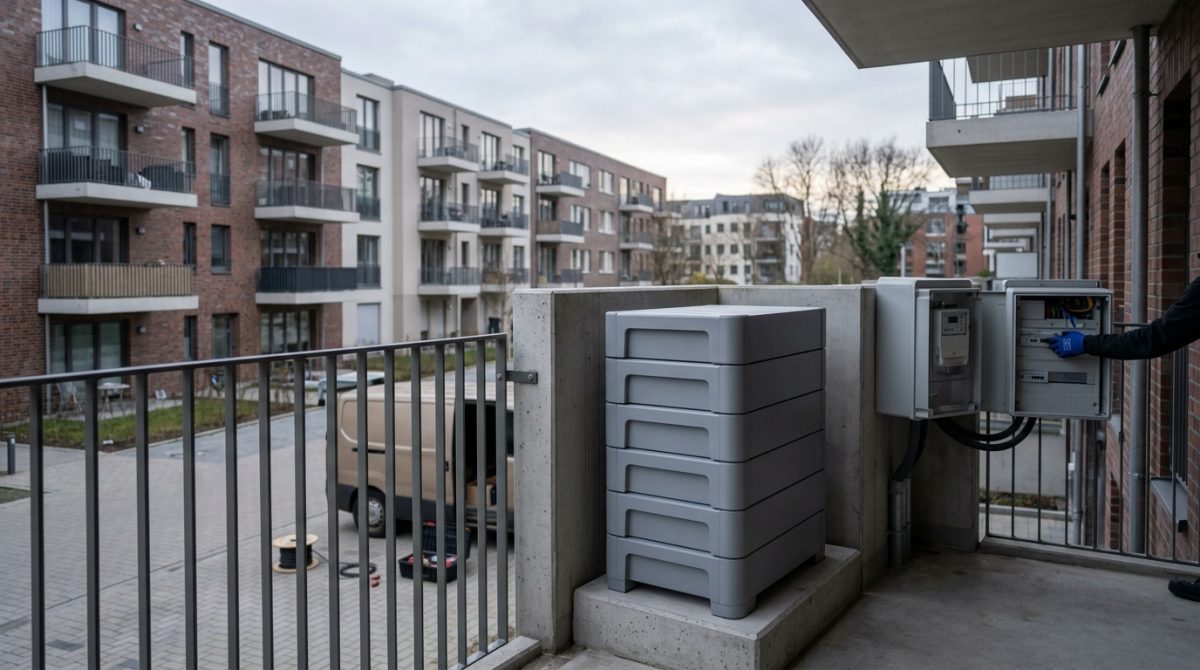
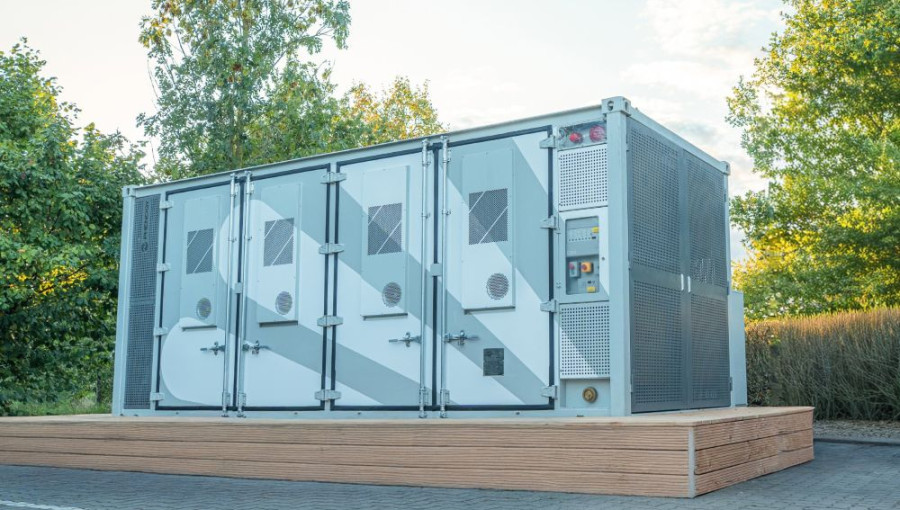
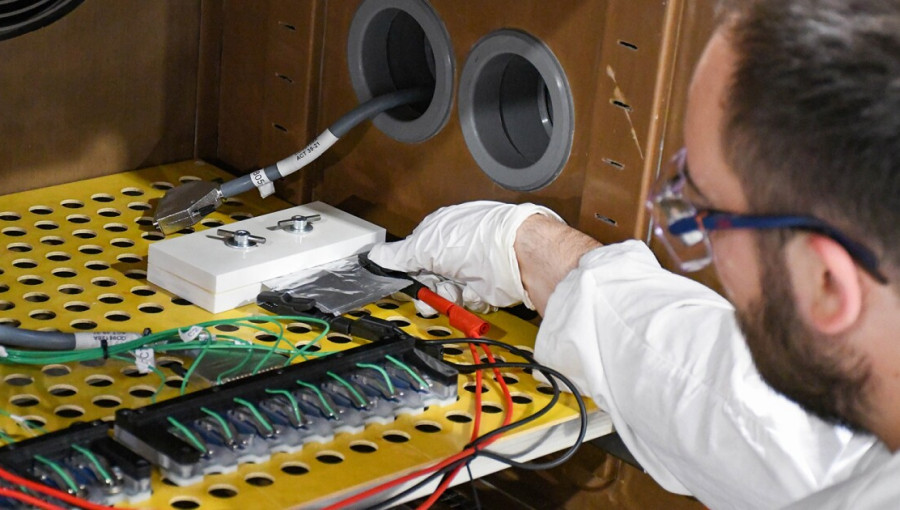
Frankfurt-based company Revolta AG has been awarded funding from the German state of Hesse under the European Regional Development Fund (ERDF) to develop a sodium-ion alternating current battery for residential use. The project, titled Highly Efficient AC Salt Battery, focuses on creating a system that connects directly to the grid to optimize electricity costs for consumers.
The technology is designed to charge when grid fees and power prices are low and discharge electricity back into the network during periods of higher pricing. This approach targets smaller rental apartments that do not have their own photovoltaic systems, a segment that has historically faced limited access to battery storage solutions. The battery utilizes sodium-ion cells, which eliminate the need for lithium or cobalt.
According to the state of Hesse’s register of ERDF beneficiaries, the project has eligible costs totaling €660,545, with a 40% European Union co-financing rate amounting to approximately €264,200. The initiative is scheduled to run from August 1, 2026, through December 31, 2029. Revolta has not yet released details regarding the system's power rating, storage capacity, expected retail price, or a commercial launch date.
The development follows a regulatory shift in Germany on October 1, when the national grid regulator implemented new rules allowing storage systems to draw power from the grid and feed it back with reduced levies and grid fees. These regulations apply to storage systems regardless of whether they are paired with on-site power generation. Revolta previously launched a high-voltage sodium-ion home battery for households with solar installations in July and currently holds a separate grant of €124,940 from the German Federal Environmental Foundation for a related AC battery project.
The ERDF is also supporting broader sodium-ion manufacturing initiatives within Germany. For instance, Moll Batterien has received €22.17 million in public funding, including €2.52 million from the ERDF, to support the construction of a 1 GWh sodium-ion battery production facility in Lichtenfels, Bavaria.