German Courts Ban Unsafe Plug In Solar Battery Systems
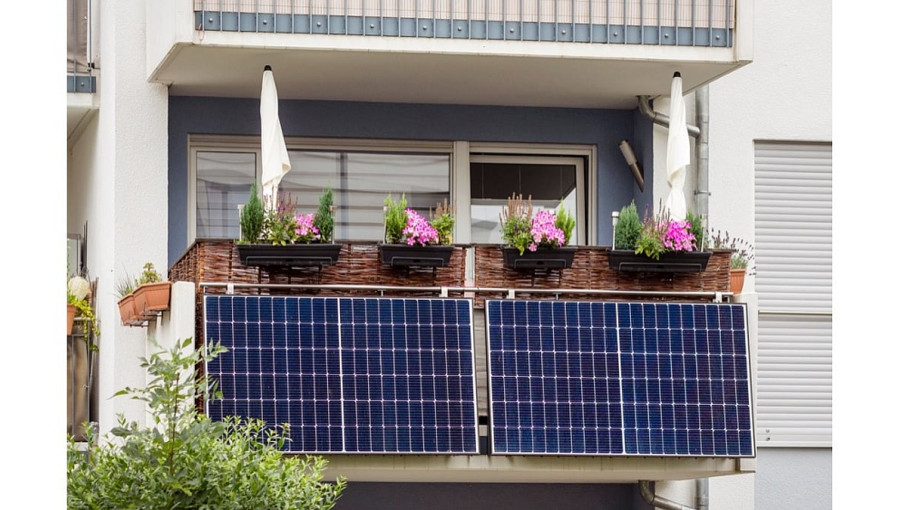
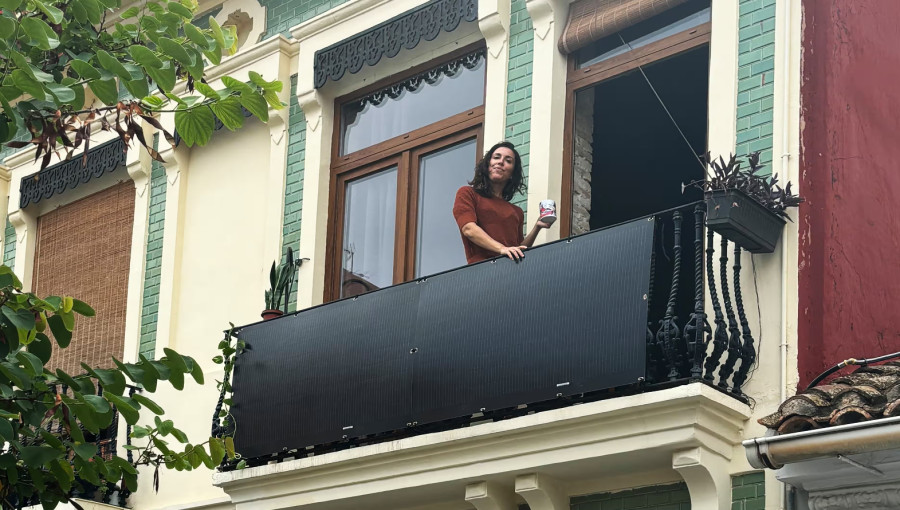
German regional courts have upheld bans on the sale of specific plug-in solar battery systems that fail to include necessary electrical circuit overload protection. Legal proceedings in Bochum and Osnabrück confirmed that these products do not meet VDE standards, disqualifying them from being marketed as "plug & play" or suitable for installation without a professional electrician. With one ruling now legally binding, retailers face potential fines of up to €250,000 for violations. Industry experts warn that these systems may pose significant fire risks by causing electrical wiring to overheat, potentially affecting hundreds of thousands of existing installations.
The core of the legal dispute involves the safety of feeding electricity into a home circuit via a standard wall socket. According to Berlin-based Indielux, which initiated the cases, feeding power into a circuit can interfere with standard fuse protection, leading to dangerous overheating. The courts determined that suppliers must prove their products comply with safety standards, particularly when PV module capacity exceeds 960 W. Without technical overload protection, internal temperatures in electrical installations could reach 217 C during high-power feed-in, creating a severe fire hazard.
Beyond immediate safety concerns, the continuous feed-in of power—even at the standard 800 W limit—could drastically shorten the service life of household electrical wiring, potentially reducing its longevity from 25 years to under one year. Indielux suggests that affected consumers should explore their statutory warranty rights, as products violating the German Product Safety Act may be legally considered defective. While lowering feed-in power can mitigate immediate risks, it does not satisfy the technical requirements set by the VDE.
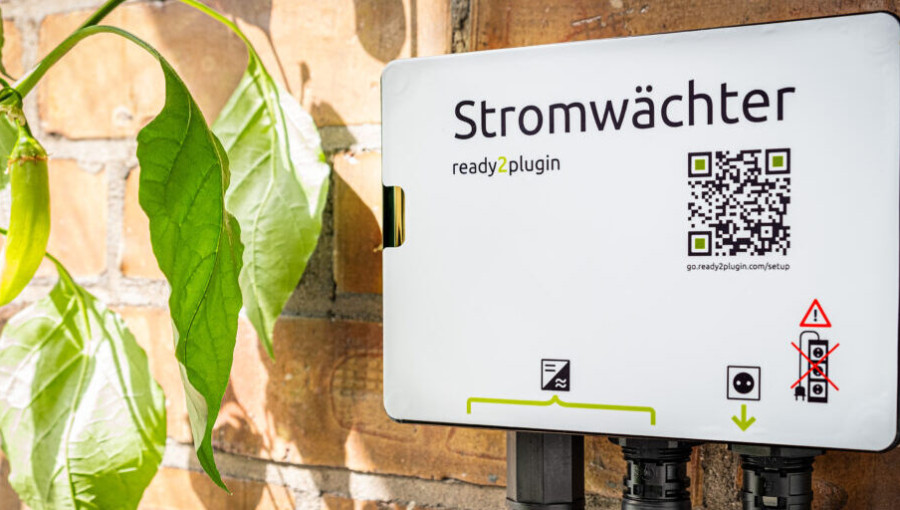
To address these safety gaps, experts recommend that homeowners engage a qualified electrician to install a dedicated feed-in socket. Other potential solutions include retrofitting systems with specialized monitoring equipment, such as the Stromwächter system, which can manage power flow and ensure compliance. As the market for these plug-in systems continues to grow, with an estimated 250,000 units registered in Germany over the past year, the court rulings highlight a critical need for stricter adherence to safety standards to protect both consumers and their home infrastructure.