France Records All Time High Of Negative And Zero Electricity Prices
Increased price volatility and frequent periods of excess renewable energy are boosting the economic viability of battery storage systems for energy arbitrage.
France has reached a record 800 hours of negative or zero electricity prices in 2026, driven by a combination of tighter conventional power generation and rising renewable energy output. This surge in market volatility is creating favorable conditions for battery storage operators, who can capitalize on the widening gap between low and high intraday electricity prices.
According to the September price monitor from energy storage firm Storio Energy, the average daily spread on the French spot market has climbed to €214 per MWh. Prices have fluctuated between average lows of €32 per MWh and highs of €247 per MWh. While day-ahead spot prices have averaged €143 per MWh this year, influenced by higher gas costs and geopolitical tensions, the overall availability of nuclear, wind, and hydropower has declined compared to 2025.
The reduction in nuclear and hydropower capacity is largely attributed to the impact of summer droughts. Although solar generation has increased by 1.8 GW and gas-fired output by 1 GW, these gains have only partially offset the losses in other sectors. France continues to function as a net electricity exporter, though export levels have dropped from 10 GW to 8 GW.
The frequency of negative price events, which occur when supply exceeds demand, has risen sharply. In 2024, France recorded 359 hours of such pricing, up from 147 hours in 2023. The trend accelerated significantly in 2026, including an extreme event on May 1 where prices hit -€498 per MWh due to low holiday demand and limited nuclear flexibility.
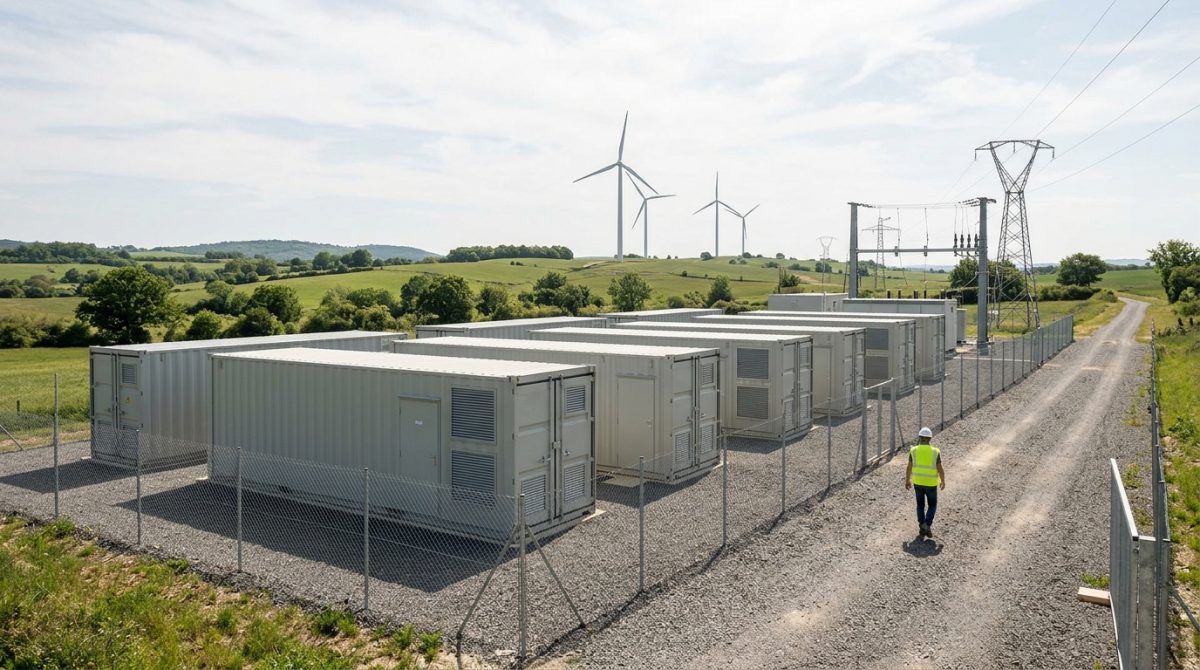
For battery storage assets, these conditions have proven lucrative. Storio Energy noted that a 1 MW/2 MWh battery system generated 135% more spot revenue in September 2026 compared to the same month in 2025. Cumulative revenue for such assets has more than doubled since 2024, as operators increasingly use batteries to charge during periods of low or negative prices and discharge when market values rise.