Floating Wind Industry Relies On Global Collaboration Amid Market Headwinds
Developers and researchers are maintaining international partnerships to advance floating turbine technology despite project delays and shifting political support in the United States.
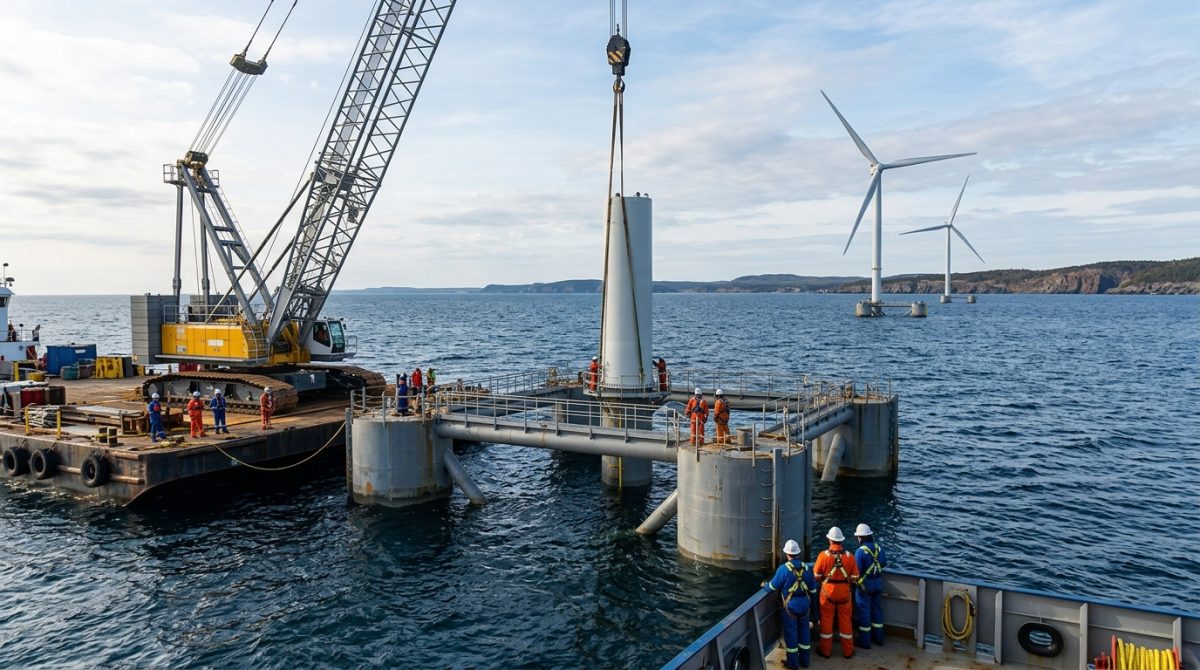
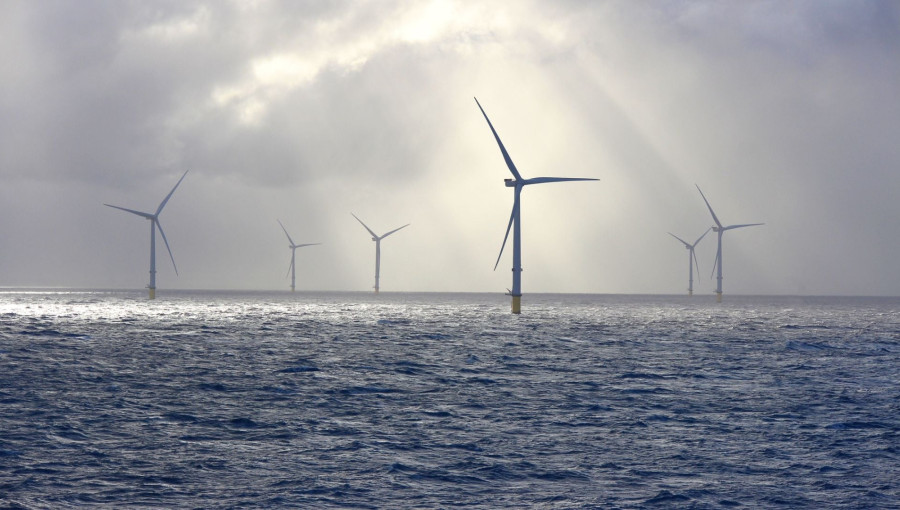
Floating wind turbines, which consist of massive structures anchored to the seabed in deep waters, are currently being tested through demonstration projects in Europe, Asia, and the United States. While the technology offers a way to access high wind speeds far from shore, the industry faces significant engineering challenges and high costs that have slowed the development of larger, commercial-scale arrays.
In the United States, the Biden administration previously set a target of 15 GW of floating wind capacity by 2035 and launched the Floating WindShot initiative to reduce costs. However, the sector is now navigating a difficult period marked by project delays, inflation, and policy reversals. The Trump administration has effectively halted new offshore leasing, bought back existing leases, and cancelled federal grants for wind port infrastructure.
Despite these challenges, a global network of researchers and developers continues to share technical data and expertise. The Advanced Structures and Composites Center at the University of Maine remains active in testing component technologies, while its spinoff, DeepCWind, pursues contracts for European projects. Similarly, firms like Principle Power have licensed platform technology for use in Portugal, Scotland, and France.
Collaboration remains a central strategy for managing risk and reducing costs. In Maine, the Offshore Wind Research Consortium has brought together tribal governments, fisheries, and developers to establish baseline data and foster shared understanding. Meanwhile, international efforts, such as those led by the Carbon Trust UK, continue to unite industry and academic partners to address technical barriers like dynamic power cables and offshore substations.
While some American researchers report difficulties in maintaining international partnerships due to funding constraints and political pressure, the exchange of technology and expertise persists. Canada has also emerged as a significant player in the North American market, with Nova Scotia recently launching a solicitation for 5 GW of offshore wind capacity.