Emerging Economies Bypass Fossil Fuels Through Rapid Solar Power Adoption
Lower-income nations are leveraging affordable renewable technology to build energy infrastructure without the legacy constraints faced by industrialized countries.
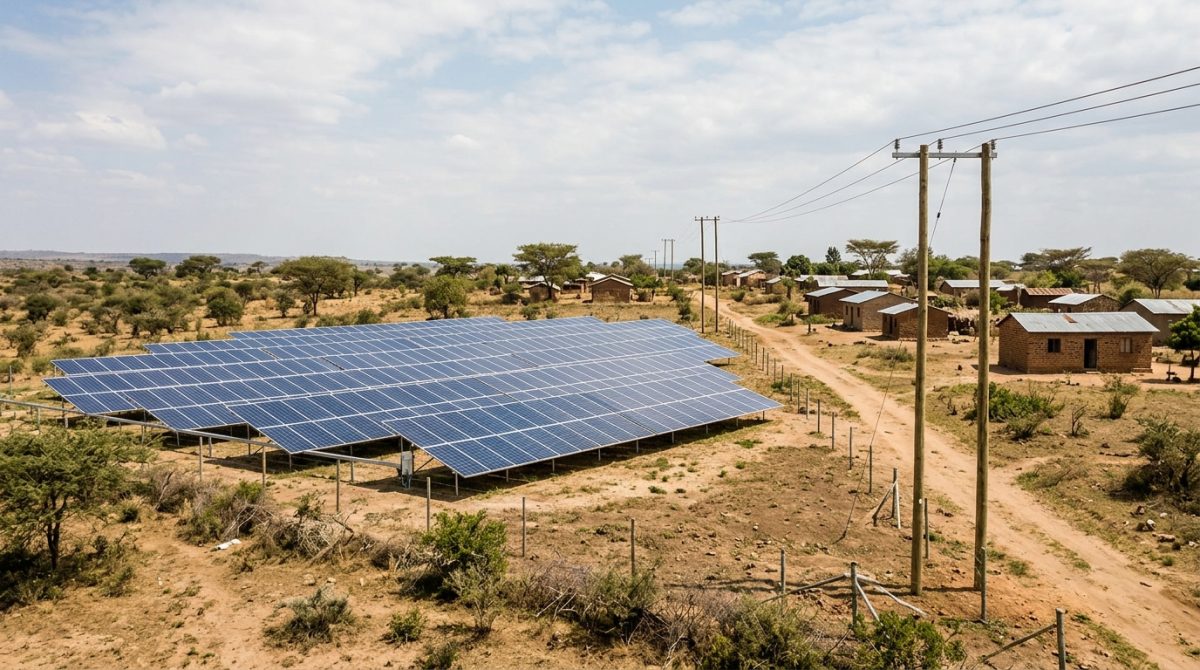
Emerging economies across Southeast Asia and Sub-Saharan Africa are increasingly bypassing traditional fossil fuel development in favor of renewable energy. Unlike industrialized nations that built extensive infrastructure around coal and gas during the 19th and 20th centuries, many middle- and lower-income countries are adopting solar and wind power to meet rising electricity demands, often finding these technologies cheaper and faster to deploy.
According to the renewables think tank Ember, the declining costs of solar power and battery storage have made renewable electricity a primary economic choice. While industrialized countries struggle with legacy systems, emerging markets are electrifying rapidly. In 2023, solar power accounted for at least six percent of electricity in India and ten percent in Vietnam, exceeding the global average of five percent. Furthermore, electric scooters and motorbikes have reached price parity with petrol models in India, Indonesia, and Vietnam.
In Sub-Saharan Africa, solar power is increasingly viewed as a solution for energy independence and reliability. Joel Nana of the NGO Sustainable Energy Africa noted that businesses can recover solar investments within two years, making it a preferred technology over expensive diesel generators. Data indicates that approximately 100,000 solar panels were installed daily across Africa in 2026, representing a 45 percent increase from the previous year. Countries such as Namibia, South Africa, Kenya, and Senegal have significantly expanded their solar capacity.
Energy experts suggest this shift could reshape the global economy. Aleksi Lumijärvi of the International Renewable Energy Association stated that industrial production may migrate to regions with abundant, low-cost solar energy. As these nations integrate renewables into national strategies, they are moving toward highly decentralized power grids. Kingsmill Bond, an energy strategist at Ember, emphasized that the rapid electrification of emerging markets is driving growth and improving quality of life, contrasting with the stagnant energy transitions observed in parts of Europe and the United States.