California Insurance Commissioner Race Highlights State Climate Adaptation Challenges
Two Democratic candidates offer competing visions for stabilizing California's insurance market following a decade of devastating wildfires.
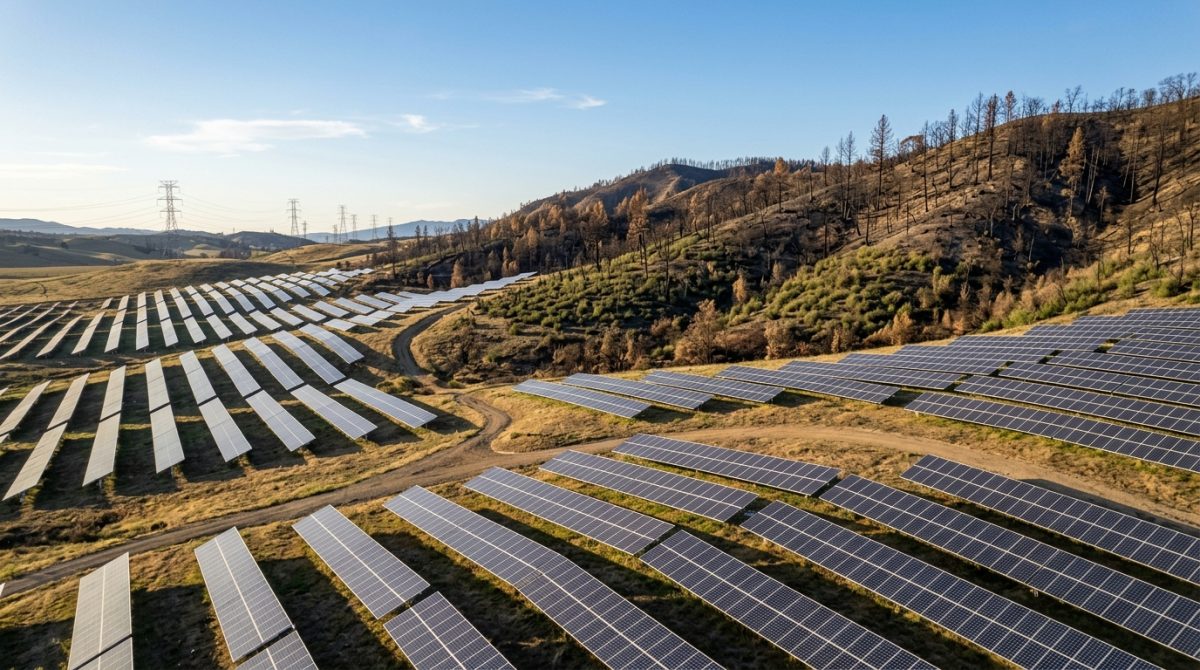
California voters are preparing to elect a new insurance commissioner, a pivotal position tasked with managing a state home insurance market that has faced significant instability. The election features two Democratic candidates, Ben Allen and Jane Kim, who propose different approaches to addressing the crisis caused by years of wildfires, rising premiums, and the withdrawal of major private insurers from the state.
The state's insurance sector has struggled since a series of wildfires between 2015 and 2020 destroyed 35,000 homes and scorched approximately 4 million acres. As insurers faced billions of dollars in claims, many companies restricted coverage or exited the market entirely. This shift forced thousands of homeowners into the California FAIR Plan, a state-backed insurer of last resort that has seen its market share grow significantly in high-risk areas.
Ben Allen, a state senator, advocates for a market-based solution. He proposes using the commissioner's authority to convene stakeholders, encourage fire-hardening of homes through low-interest loans, and implement data-driven risk assessments to entice private insurers back into the market. Allen emphasizes that the role requires a deep understanding of climate science and legislative processes to facilitate a stable recovery.
Jane Kim, a former San Francisco supervisor, proposes a more radical shift toward a state-run public insurance program for all homes and disasters. Under her plan, the government would collect premiums and pay out claims, potentially using excess revenue to fund wildfire resilience projects. She argues that private companies prioritize pricing risk over actively reducing it, making a public model necessary to protect residents from climate-related disasters.
The election serves as a test for how the state will manage the long-term costs of climate change. Both candidates face the daunting reality that reducing wildfire risk for millions of existing homes requires substantial investment. As the state grapples with the legacy of development in fire-prone areas, the outcome of the race will influence the trajectory of insurance accessibility and affordability for millions of Californians.