California Enacts New Law Expanding Plug And Play Solar

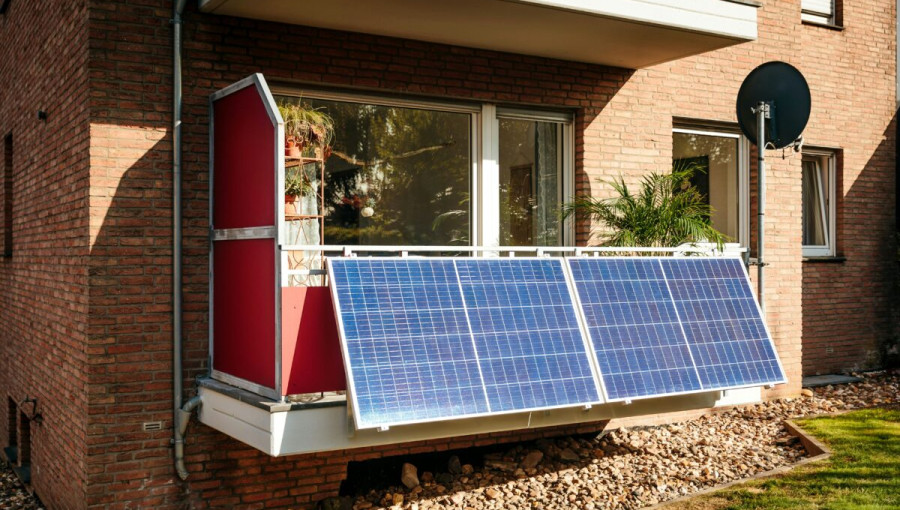
California has enacted new legislation to expand renewable energy access, most notably through the Plug and Play Solar Act. Signed by Governor Gavin Newsom on September 30, this law allows residents, including renters and those with unsuitable roofs, to install small-scale, plug-in solar systems on balconies or patios. By simplifying the regulatory process and removing burdensome interconnection requirements for systems up to 1,200 watts, the state aims to make solar energy more accessible. Additional laws signed alongside this measure focus on optimizing existing home energy devices and improving grid efficiency to help lower utility costs for residents.
The Plug and Play Solar Act, or SB 868, enables the use of small solar modules that plug directly into standard 120v household outlets. These systems help power home appliances, effectively reducing the amount of electricity households must purchase from their utility providers. To ensure safety, the law mandates that all qualifying devices must be certified by Underwriters Laboratories or an equivalent testing facility and include safety features that prevent electricity from flowing into the grid during power outages. Utilities are prohibited from charging fees or requiring complex interconnection agreements for these systems, though they may request a simple online notification.
Beyond individual solar installations, California is also moving to better utilize existing energy resources through SB 913, the Clean Local Power Act. This legislation focuses on virtual power plants, which consist of coordinated groups of home batteries, electric vehicles, and smart thermostats. By directing regulators to allow these resources to count toward utility reliability requirements, the state aims to help these home energy systems compete with traditional power plants. This initiative is designed to improve grid reliability and lower costs by leveraging technology that residents have already invested in, with regulatory changes expected by mid-2028.
Finally, SB 905 addresses the rising costs of utility bills by focusing on grid infrastructure and data transparency. Large investor-owned utilities are now required to publish detailed information regarding local grid capacity and usage patterns. This data will help determine if non-traditional solutions, such as battery storage or demand-shifting, can address grid needs more affordably than expensive physical infrastructure upgrades. The legislation also encourages regulators to explore cost-effective financing for electricity infrastructure and to consider adjusting shareholder returns on certain utility investments, potentially providing long-term financial relief for California ratepayers.