Battery Storage Projects Require Focus Beyond Initial Hardware Costs
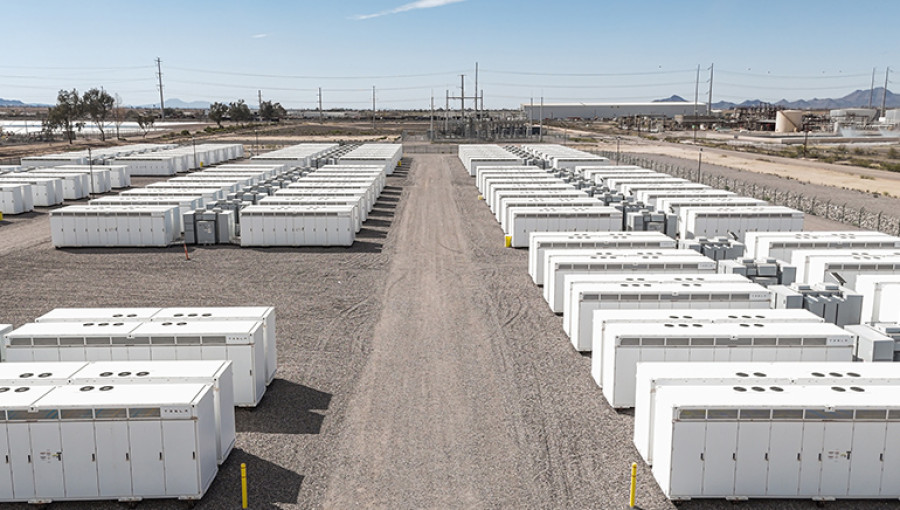
As data centers and hyperscalers drive a surge in energy demand, battery energy storage systems (BESS) have become a vital, rapidly deployable solution. While falling lithium iron phosphate (LFP) costs have made initial capital expenditures more attractive, the true financial viability of these projects depends on the levelized cost of storage (LCOS). Rather than focusing solely on upfront hardware prices, stakeholders must evaluate long-term operational variables—such as project lifespan, degradation rates, and financing costs—which can cause significant fluctuations in the actual cost of delivered electricity over the life of the asset.
The decline in LFP container costs, which dropped from as much as $400/kWh in the early 2010s to between $180 and $250/kWh by 2023, has encouraged many buyers to prioritize low capital expenditure. However, hardware typically accounts for only 65% to 75% of total project costs, with the remainder tied to site infrastructure and interconnection. Because these upfront costs do not reflect the ongoing expense of delivering electricity, the LCOS metric serves as a more accurate benchmark for comparing different battery technologies and applications, much like standard utility billing rates.
Discrepancies in published LCOS estimates often stem from varying analytical assumptions rather than the technology itself. Factors such as the cost of capital, round-trip efficiency, and the inclusion of charging costs can lead to widely different projections. For instance, a 20-year project with lower utilization and higher operating expenses can result in an LCOS nearly 40% higher than a 25-year project, despite both starting with identical equipment costs. These differences represent millions of dollars in lifetime value, highlighting that operational parameters are often more influential than the initial purchase price.
Ultimately, battery hardware is becoming increasingly commoditized, shifting the focus of project feasibility toward long-term performance guarantees and financing structures. While developers may be tempted to negotiate primarily on upfront capital costs, the most successful projects are those that account for the full lifecycle of the system. By considering factors like augmentation strategies, warranty terms, and the potential for additional revenue streams—such as energy arbitrage or frequency regulation—buyers can better navigate the complexities of energy storage and ensure their investments remain economically sound over the long term.