BAE Systems Upgrades Solar Drone With Microwave Power Beaming
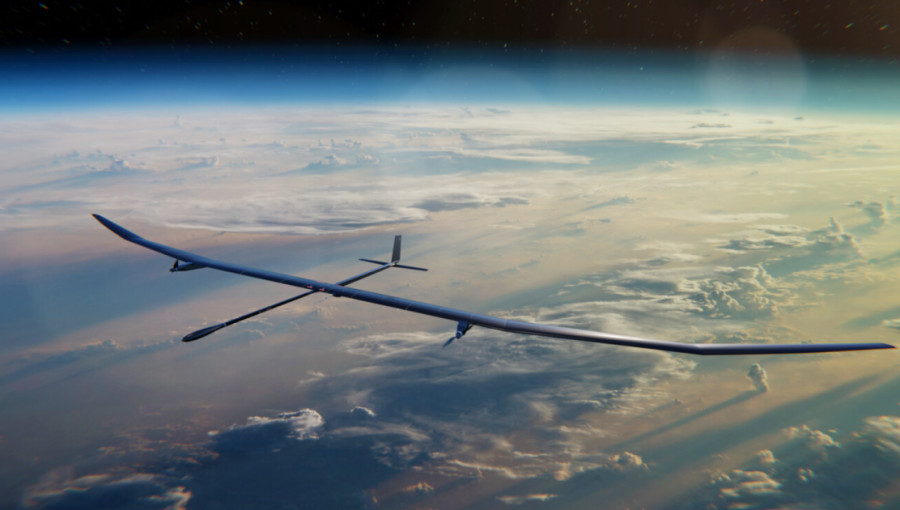
BAE Systems is set to enhance its PHASA-35 solar-powered stratospheric drone through a £15.7-million contract aimed at integrating ground-based power beaming technology. As a High Altitude Pseudo Satellite, the aircraft is designed to operate above 66,000 feet for extended periods. By utilizing microwave energy transmitted from ground stations and captured by wing-integrated receivers, the drone will overcome the limitations of relying solely on battery power during periods of low sunlight. This advancement is expected to extend mission durations significantly while allowing for heavier sensor and communication payloads by reducing the overall battery weight required on board.
The PHASA-35 features a 115-foot carbon composite wingspan and currently relies on solar energy to sustain its flight. While the drone is capable of cruising at 49 knots, its operational range is restricted in regions like Northern Europe, where seasonal sunlight is insufficient to keep the aircraft aloft indefinitely. Without a constant energy source, the drone must eventually rely on battery reserves, which can lead to mission termination. The new development project, funded by Britain’s Advanced Research + Invention Agency and led by BAE Systems’ subsidiary Prismatic, seeks to address this by converting beamed microwaves into electricity for the aircraft's motors.
Beyond extending flight endurance, this technological upgrade offers strategic benefits for the platform's utility. By decreasing the reliance on heavy battery arrays, engineers can optimize the aircraft's structural weight, creating capacity for more sophisticated monitoring and communication equipment. Bob Davidson, CEO of Prismatic, noted that this initiative builds upon the drone's existing success as a cost-effective alternative to traditional satellites. The project, scheduled to span the next three and a half years, represents a collaborative effort to push the boundaries of stratospheric flight capabilities and ensure the PHASA-35 can maintain a persistent presence regardless of solar availability.