Australian Rooftop Solar Capacity Now Rivals National Coal Fleet

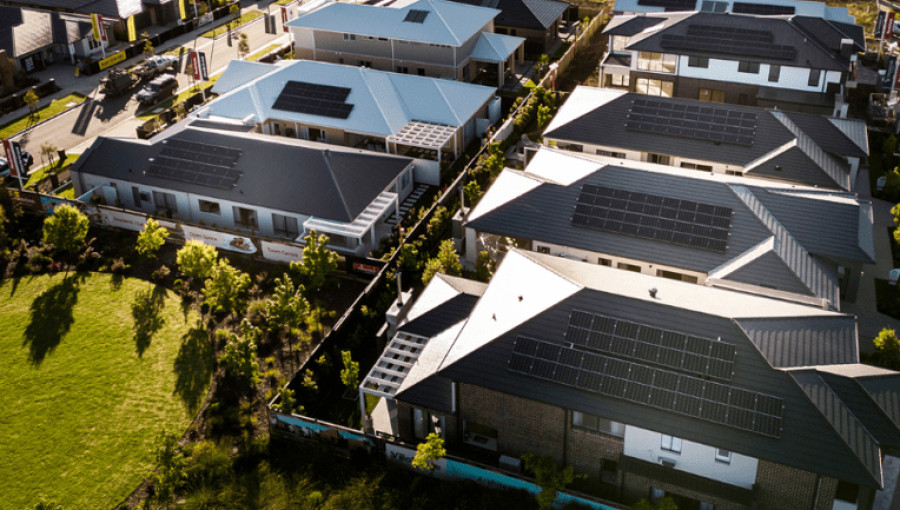
Australian households are driving a significant shift in the energy landscape, installing record numbers of rooftop solar systems and home batteries during the first half of 2026. Driven by concerns over fossil fuel price volatility and the federal government’s battery rebate program, consumers have effectively become the nation’s largest builders of new generation capacity. With solar installations up 35 percent compared to the previous year and battery uptake surging by 52 percent, the total rooftop solar capacity now rivals that of all remaining coal-fired power stations in Australia, marking a pivotal transition toward decentralized, consumer-led energy security.
The Clean Energy Council’s latest report highlights a robust period of growth, with over 180,000 new solar systems and 276,000 home batteries installed between January and June 2026. This surge represents a notable recovery for the sector, which had previously shown signs of plateauing. The data indicates that for every 100 solar installations, 153 batteries were added, reflecting a concerted effort by homeowners to maximize self-consumption and gain independence from the grid. As of mid-2026, one in every 2.5 Australian homes features rooftop solar, while one in seven households now utilizes battery storage.
This rapid expansion has profound implications for the national energy mix. Total installed rooftop solar capacity has reached nearly 22 gigawatts, a figure comparable to the nation’s entire coal-fired generation fleet. While solar does not provide power at night, the scale of this adoption underscores a fundamental change in how electricity is generated and managed. Projections suggest that residential energy storage capacity could reach 59.2 gigawatt-hours by 2030, far exceeding previous government forecasts. This trend is further supported by improvements in solar PV technology and an increase in the average size of installed systems.
Looking ahead, the industry is focusing on unlocking the full potential of these distributed assets. The Clean Energy Council is prioritizing the development of virtual power plants and flexible market mechanisms to better integrate household energy into the grid. By rewarding consumers for supplying power during peak demand or absorbing excess solar, these initiatives aim to optimize existing network infrastructure. Additionally, the recent approval of vehicle-to-grid chargers and the expansion of rebate schemes to include larger commercial systems are expected to further accelerate the adoption of clean energy solutions across the country.