
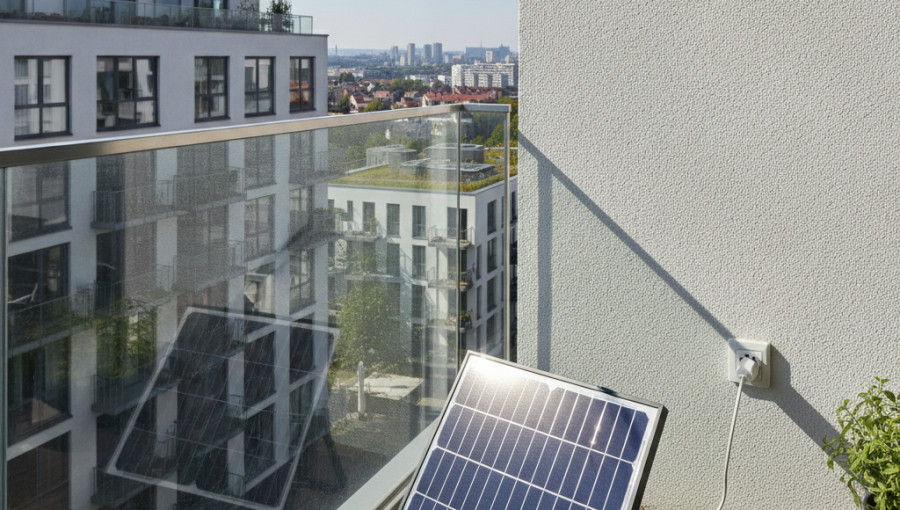
The UK government is set to authorize the use of plug-in solar panels starting August 27, allowing residents to generate clean electricity by connecting devices directly to mains sockets. These low-cost systems, which can be placed on balconies or roofs without professional installation, aim to lower household energy bills and reduce reliance on global fossil fuel markets. By simplifying access to solar technology for renters and flat owners, the initiative marks a significant shift in national energy policy. Furthermore, upcoming regulations will mandate on-site solar panels and low-carbon heating for most new homes beginning next March.
The introduction of these plug-and-play devices follows updated electricity safety regulations announced in March. Industry experts, including Lorna Wallace-Smith of EcoFlow, have welcomed the change, noting that it removes traditional barriers to solar adoption for those living in apartments or rented properties. By enabling households to harness energy during longer, brighter days, the government hopes to mitigate the impact of rising energy costs. This policy is part of a broader clean energy strategy under the Starmer Labour government, designed to increase domestic energy security amidst volatile global markets.
In addition to the plug-in solar initiative, the government is preparing for the implementation of the Future Homes Standard next March. This mandate will require the majority of new residential developments to incorporate on-site solar panels and low-carbon heating solutions. Officials estimate that these measures could reduce household energy expenses by as much as £830 annually while cutting carbon emissions by 75 percent compared to homes built under 2013 standards. Dhara Vyas, chief executive of Energy UK, described the standard as a landmark development that will protect residents from fluctuating gas prices and bolster home-based energy security.