
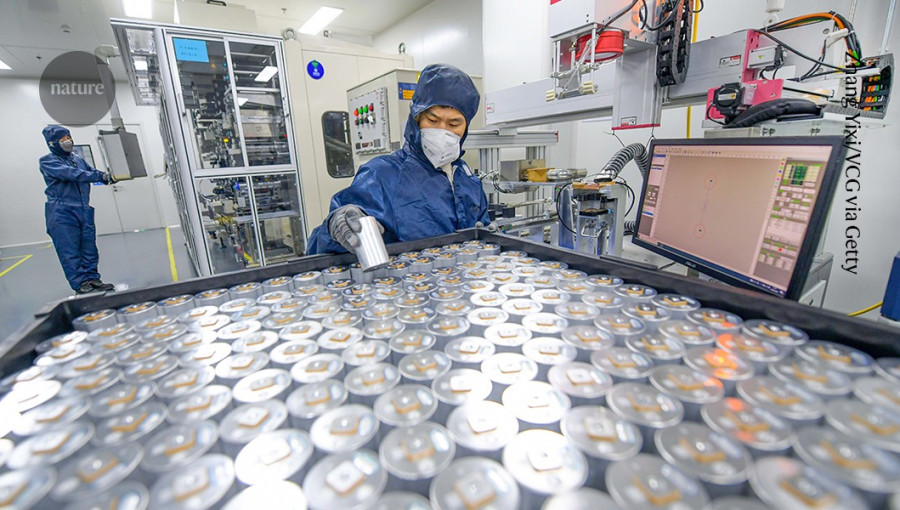
Lithium-ion technology currently serves as the backbone of modern electronics, fueling billions of mobile phones, laptops, and an expanding global fleet of electric vehicles and energy-storage systems. Despite this dominance, a significant shift is underway as a new competitor emerges to challenge the status quo. Sodium-ion batteries are gaining traction as a viable alternative, potentially reshaping the landscape of energy storage. As researchers and industry leaders explore these new possibilities, the transition toward sodium-based power could fundamentally alter how the world stores and utilizes electricity in the coming years.
The reliance on lithium-ion batteries has been absolute for years, supporting everything from personal handheld devices to large-scale grid storage. However, the limitations and supply chain pressures associated with lithium have prompted a search for more sustainable and accessible solutions. Sodium-ion technology is now stepping into the spotlight, offering a promising path forward for the battery market.
This emerging technology aims to provide a reliable substitute for traditional lithium cells. By leveraging sodium, which is more abundant and easier to source, developers hope to overcome some of the current constraints facing the energy sector. As this contender breaks into the market, it represents a pivotal moment for the future of global energy storage and the ongoing evolution of battery technology.