
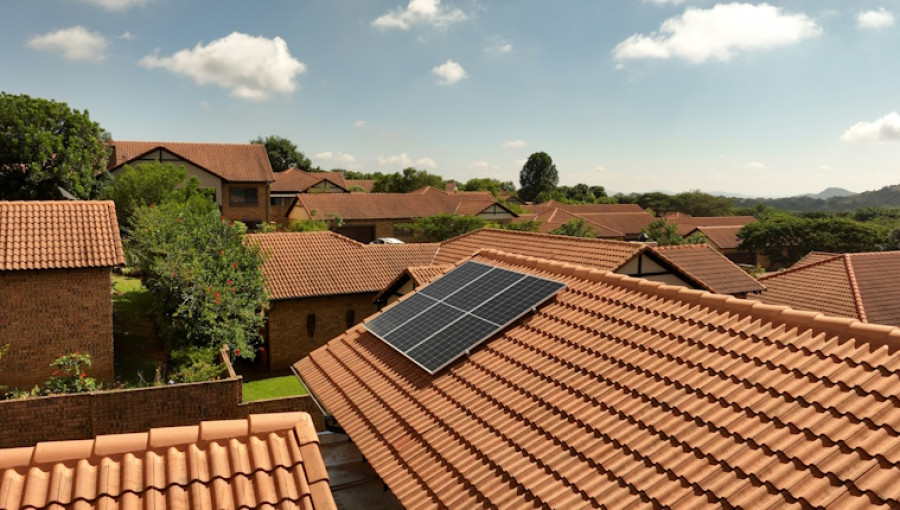
Romania’s energy infrastructure is facing a critical period as prosumers emerge as a vital stabilizing force. With over 360,000 households, institutions, and small businesses generating more than 4 GW of power, these decentralized rooftop solar systems are alleviating pressure on an aging, underfunded electrical grid. This shift is particularly significant as the country grapples with a severe energy crisis driven by historic low water levels in the Danube, which have crippled hydropower output and forced the shutdown of reactors at the Cernavodă nuclear power plant to protect essential cooling systems from potential failure.
The reliance on renewable energy has become a necessity as traditional power sources falter. Beyond the 4 GW generated by prosumers, Romania utilizes an additional 3.4 GW from photovoltaic parks. However, domestic production currently falls significantly short of the estimated 7.3 GW peak consumption, forcing the nation to rely on expensive electricity imports. The situation is compounded by regional instability, as nuclear facilities in neighboring Hungary and Bulgaria face similar operational threats due to the receding Danube, which is essential for cooling processes.
Compounding the energy strain, Romania is experiencing a sharp rise in fuel costs, with diesel prices exceeding RON 10 per liter. This surge follows supply chain disruptions caused by attacks on the Caspian Pipeline Consortium terminal in Novorossiysk, which handles the majority of crude oil shipments from Kazakhstan. As Romania remains a net importer of diesel and relies on Kazakhstan for two-thirds of its crude oil, the government has moved to implement emergency measures to curb price hikes. These challenges underscore the growing importance of local energy production and battery energy storage systems in maintaining national grid stability.