Proposed Green Bond Plan Aims To Slash Household Energy Bills
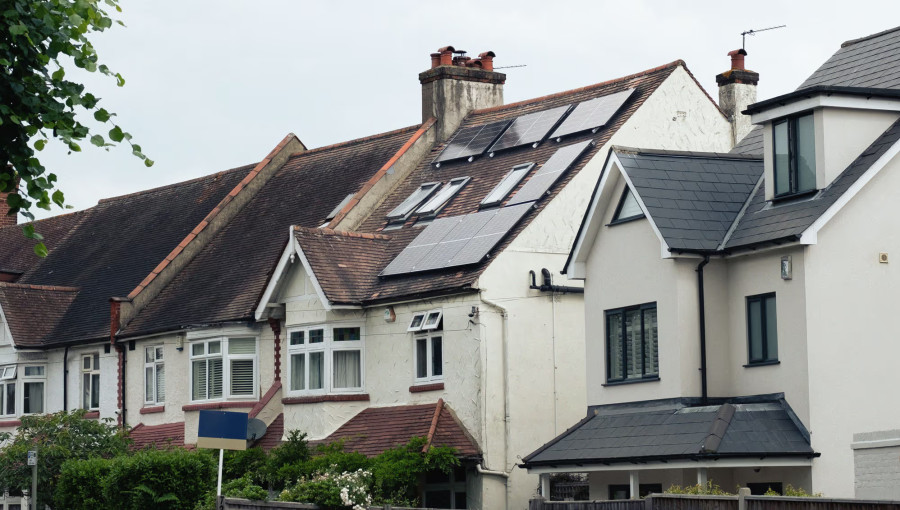
The United Kingdom faces a critical challenge as household energy costs remain double their 2010 levels, despite a significant increase in renewable electricity generation. While clean power now accounts for nearly half of the nation's energy mix, the current wholesale market structure allows gas-powered generation to dictate pricing, preventing consumers from benefiting from cheaper renewable sources. To address this, a new proposal suggests a mass rollout of rooftop solar panels funded by a twenty-five-year green sovereign bond. This initiative aims to lower household bills by at least £250 annually while bolstering public support for the net zero agenda.
The reliance on gas-fired electricity to set wholesale prices has created a disconnect between the growth of clean energy and the reality of consumer bills. Even as the share of renewable power has surged from 6.9 percent to nearly 50 percent since 2010, the market framework ensures that the cost-saving potential of these technologies is often lost. Consequently, the government’s Clean Power 2030 target faces skepticism, as grid upgrade costs and existing market mechanisms continue to keep prices high, fueling political opposition that threatens the broader decarbonization strategy.
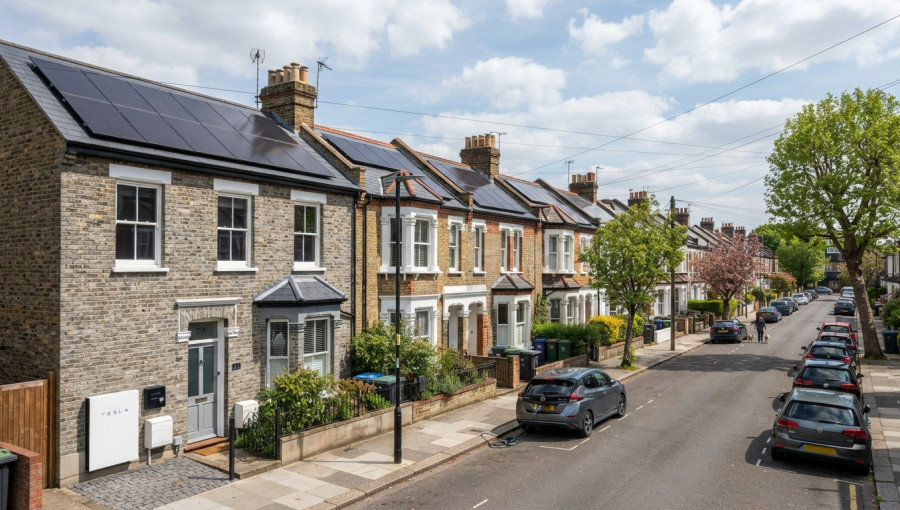
To bridge this gap, the proposed strategy focuses on decentralizing energy production by empowering households to generate their own power. By utilizing long-term, low-interest loans backed by a government-issued green bond, the plan seeks to accelerate the adoption of rooftop solar systems. This approach would allow citizens to bypass the limitations of the current wholesale market, providing direct relief to families struggling with the cost of living. Beyond immediate financial savings, the initiative is designed to stimulate local supply chains and create new jobs, ensuring that the transition to a clean energy grid provides tangible, near-term benefits to the public.